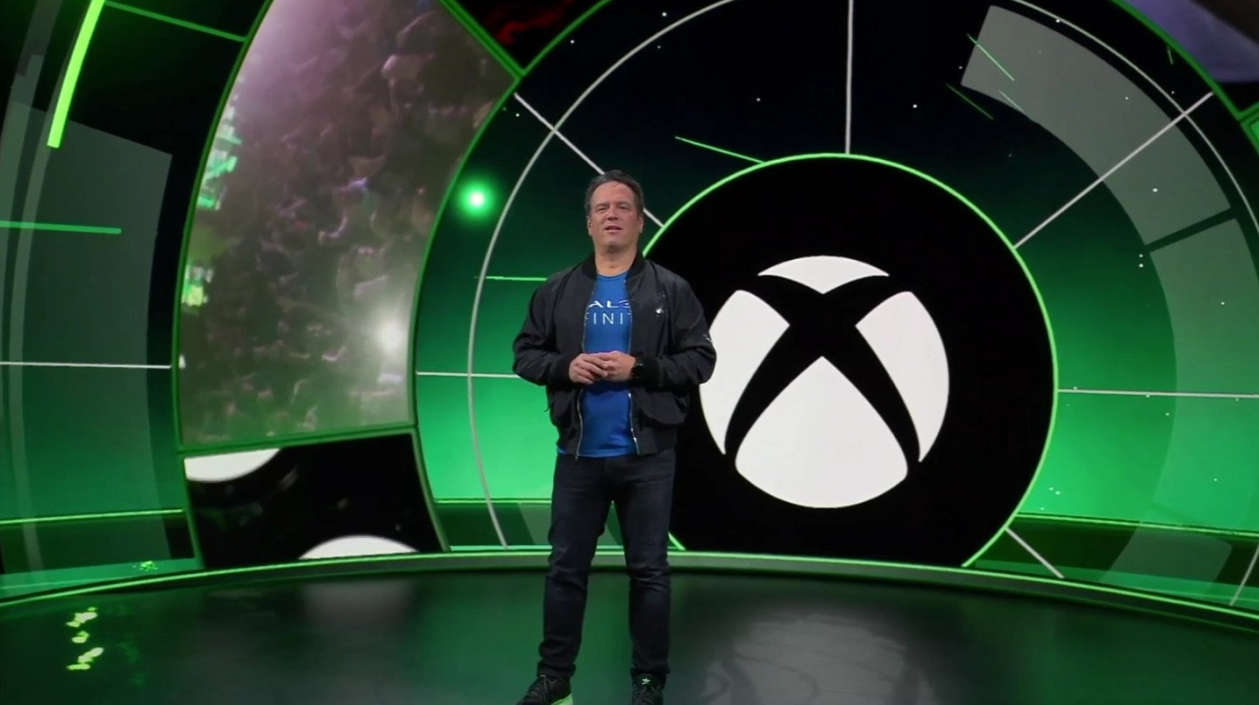
The console is no longer Xbox’s main goal — it’s just one entry point among many. That’s the takeaway from Microsoft’s latest Q4 2026 earnings report, where the company essentially admitted that the brand’s future isn’t about hardware anymore.
Nothing about this is truly shocking — Microsoft has been drifting this direction for years. What’s new is that the strategy is now spelled out as an official position, not just analyst speculation.
Table of Contents
What’s Changing in Xbox’s Business Model
The company laid out several core principles, and together they paint a clear picture.
-
Multiplatform reach. Xbox is betting on PC, mobile, and cloud gaming rather than tying itself to a single piece of hardware.
-
First-party studios as the core. Exclusives from internal teams remain the main tool for attracting and retaining players.
-
Game Pass at the center. The entire ecosystem is built around the subscription — spanning both first-party and third-party titles.
-
Diversified revenue. The company is moving away from one-time box and disc sales toward recurring revenue: subscriptions, advertising, digital storefronts.
-
Ecosystem over hardware. Value comes not from the console itself, but from a network of certified apps, services, and partners.
Essentially, Microsoft is applying a formula it’s already used elsewhere in its business — a subscription model with predictable revenue instead of one-off sales.
Why This Matters for Players
If upgrading your console used to define what and how you could play, Microsoft is now saying it plainly: it doesn’t matter what device you’re on, what matters is your Game Pass subscription. That’s good news if you don’t own powerful hardware or don’t want to buy a dedicated console — access follows you regardless of the device.
But there’s a flip side. Leaning into subscriptions and advertising means the whole notion of “owning” a game gets blurrier — you’re paying for access, not ownership in the traditional sense. And the Xbox console itself risks becoming a niche product for people who still want the “hardware” version of the ecosystem.
Tellingly, this pivot comes right after Microsoft’s earlier admissions about struggles specifically in the console business — so the shift in messaging looks less like bold ambition and more like a reaction to market reality.
What to watch next. Keep an eye on how quickly the list of supported devices and partners grows, and whether the push toward ads and subscriptions ends up raising the price of access for longtime Game Pass users. Those details will show whether this new strategy actually benefits players — or just Microsoft’s bottom line.