You can no longer buy an RTX 5080 on its own in every market — one retailer in Taiwan simply pulled that option from its lineup. A similar story is playing out in gaming: Nintendo no longer wants you to trade in your Switch for a Switch 2. It wants you to keep both.
Table of Contents
Why Graphics Cards Are Getting Pricier and Harder to Find
The root of the problem isn’t the GPUs themselves — it’s memory. Manufacturers of DRAM and other memory chips have redirected production toward AI data centers, leaving the consumer segment physically short on wafers. Graphics cards rely on the same memory, so the shortage is hitting them too: according to industry sources, GPU prices are already 20–30% above pre-crisis levels.
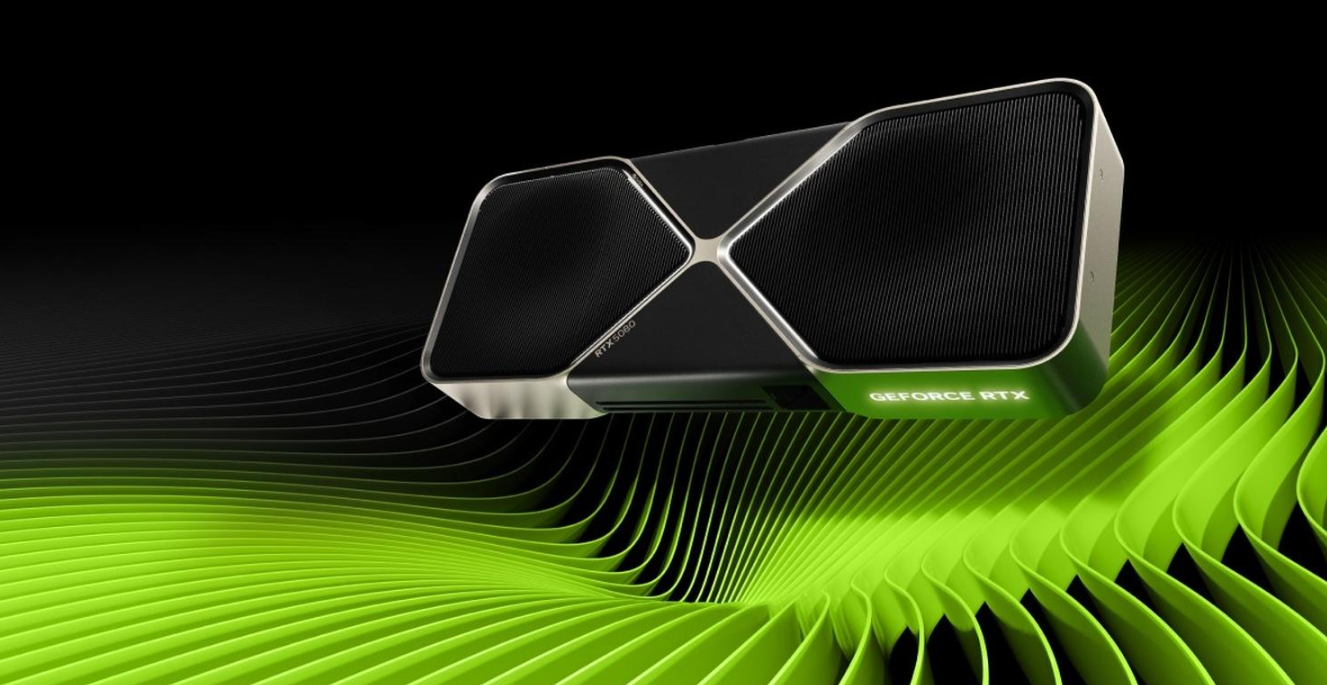
Taiwanese retailer Cool PC took things a step further, pulling the RTX 5080 from standalone sale entirely — it’s now available only as part of a full PC build or component bundle. Technically, this isn’t an outright ban; it’s more of a sales tactic that guarantees the retailer moves not just the card, but the motherboard, memory, and power supply along with it. In practice, though, it’s a way to offload a scarce product without slapping an outright “out of stock” label on it.
On Amazon and Newegg, the RTX 5080 is already going for upwards of $1,200 — a significant markup over the Founders Edition MSRP — with premium variants reaching as high as $2,000. Despite the price, the card remains one of the more reliably available high-end models, precisely because of its performance: demand is simply outpacing restocks.
What this means for buyers:
-
If you were planning an RTX 5080 upgrade, don’t wait — analysts expect another price wave, not a cooldown.
-
The “bundle-only” sales model could spread to other regions if it works out for Cool PC.
-
Watch memory prices, not just GPU prices — memory is what’s actually driving the whole market up right now.
-
More affordable models may vanish from shelves faster than pricier ones, simply due to demand rather than supply issues.
Nintendo Is Betting on Coexistence Between Switch and Switch 2, Not Replacement
While the GPU market scrambles to cope with shortages, Nintendo is pursuing a very different, entirely deliberate strategy. In an interview with Famitsu, Shigeru Miyamoto said the company wants it to become the norm for a single household to own both an original Switch and a Switch 2 at the same time.
The logic is straightforward: because the two consoles share a common architecture, studios can build one game for both platforms instead of creating a stripped-down version for weaker hardware. That cuts development costs — and, more importantly for players, keeps the original Switch alive as a fully supported platform rather than a discontinued one.
Miyamoto noted that many families already own multiple Nintendo consoles. The company is essentially formalizing that behavior: players who want maximum performance get the Switch 2, while everyone else can keep playing on their original Switch without feeling pressured to upgrade.
For players, this is good news with a catch. On one hand, the older console won’t be written off, and games will keep coming out for it. On the other, Nintendo’s calculation is fairly transparent: instead of one upgrade replacing another, the company is counting on a second console becoming an addition to the household, not a substitute.
Both stories are different in nature but point to the same trend: the hardware industry is currently balancing between shortage and strategy. NVIDIA is scrambling to adapt to a memory crunch in real time, while Nintendo is playing the long game, building in years of generational coexistence. Anyone planning hardware purchases in the coming months should keep an eye on both fronts — GPU prices aren’t likely to drop this year, and Nintendo’s approach could set the tone for its future consoles too.