
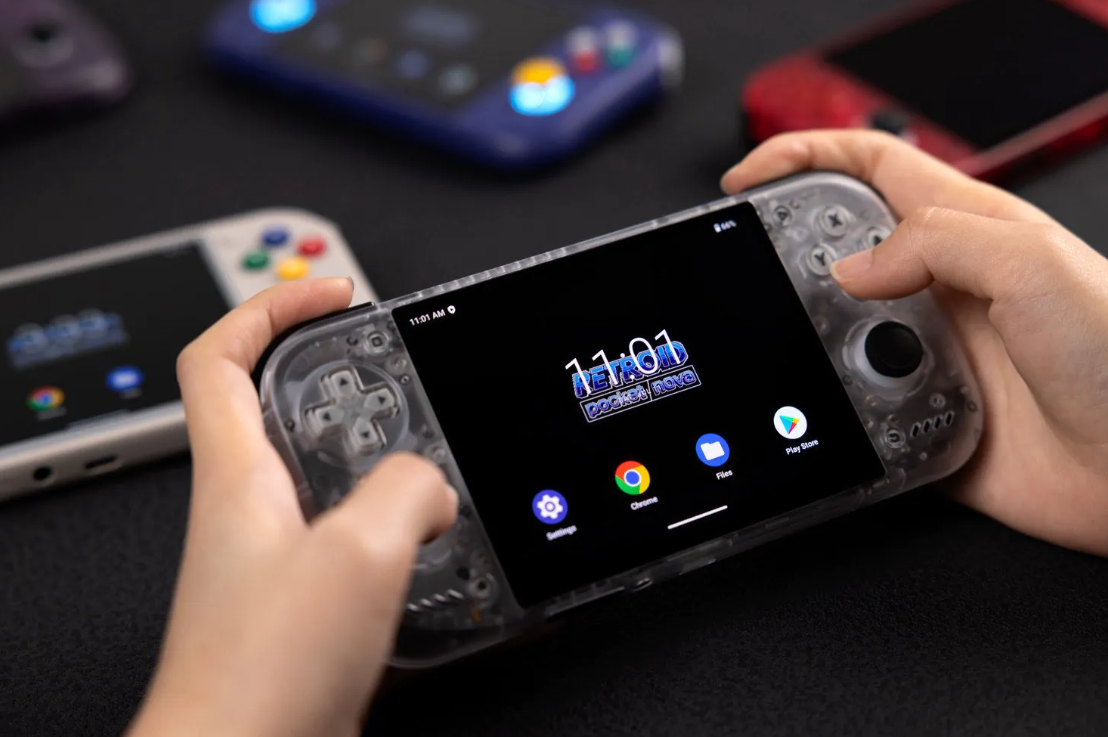
When a company disassembles its own device on camera for the world to see, it’s either a bold display of confidence or a marketing move that could easily backfire. Retroid went with the former: while the Pocket Nova is already shipping to early buyers, the brand released a video showing the handheld taken completely apart — and then put back together, presumably in working condition.
The reasoning behind this kind of demo is pretty clear. Android-based handhelds stopped being a niche hobbyist thing a while ago — the market has exploded, competition between brands is fierce, and buyers are increasingly asking not “what games will it run” but “what’s it actually made of, and will it fall apart in six months.” Showing the internals is a way to answer that question upfront, before reviews and complaint threads do it for you.
Table of Contents
What’s Inside the Pocket Nova
The hardware is fairly serious for a device of this size. Under the hood is a Qualcomm QCS8550 chipset, an Adreno 740 GPU, a 4.5-inch AMOLED display running at 1280 × 960 with a 120Hz refresh rate, a 5000mAh battery, Android 13, and a 3.5mm headphone jack.
For context, the QCS8550 is essentially an industrial variant of the flagship Snapdragon 8 Gen 2, which puts the Pocket Nova squarely outside budget territory. This is hardware built to handle emulation up through PS3 and Switch without much of a struggle.
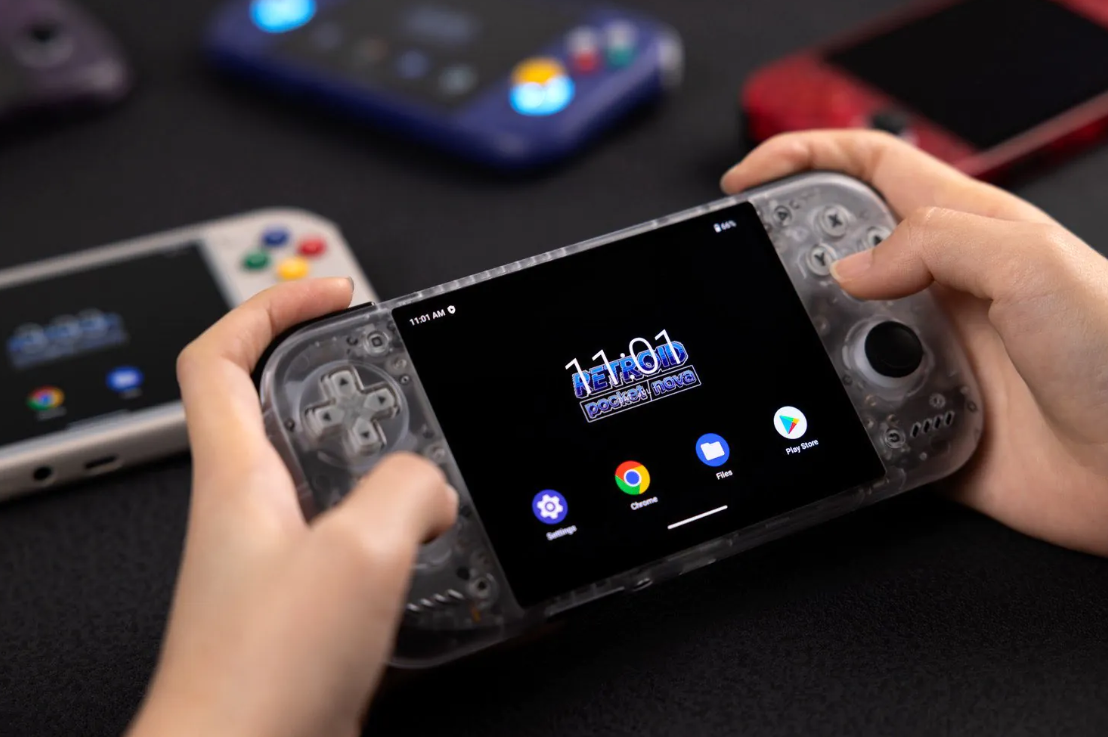
Retroid Pocket Nova Price and Available Versions
Pricing depends on memory configuration and color:
-
8GB RAM / 128GB storage — $229 in the base colors (Black, “16-bit,” GameCube-inspired);
-
8GB RAM / 128GB storage — $234 in the “premium” colors (Crystal, Watermelon, Transparent Purple, Ice Blue);
-
12GB RAM / 128GB storage — $269 in the base colors;
-
12GB RAM / 128GB storage — $274 in the premium colors.
The gap between the two memory tiers is $40, and it’s worth thinking honestly about what you actually need it for: most emulation up through PS2 will run fine on the base version, but if you’re targeting heavier systems or plan to multitask, the 12GB model is the safer bet.
One thing worth noting — Retroid previously warned that prices for this batch could rise, so these numbers shouldn’t be treated as locked in. If you’re planning to buy, it’s probably not worth waiting too long.
What this means for players. A public teardown isn’t just a slick YouTube video — it functions as an informal quality guarantee straight from the manufacturer. Components stay put, the boards look clean, and the case goes back together without any wobble. For prospective buyers, that’s a solid argument that the $229–$274 price tag is buying a genuinely well-built device rather than a rushed one.
From here, it’s worth keeping an eye on independent performance and battery-life tests — those will show whether the 5000mAh battery and that powerful chipset actually hold up under real workloads, not just on paper and in promotional footage.