4GB of video memory in 2026 is a number that used to belong to graphics cards from a decade ago. Yet that’s exactly the spec on the new Radeon RX 9050 Challenger from ASRock, and AMD apparently didn’t learn much from watching Nvidia go through the same controversy.
Table of Contents
What the Radeon RX 9050 4GB Actually Is
ASRock unveiled the RX 9050 Challenger in two versions: one with 8GB and another with just 4GB of video memory. The stripped-down model won’t be sold separately at retail — it’s reserved for pre-built OEM desktops, which have already started appearing in the US. Pricing hasn’t been announced yet.
The card belongs to the RDNA 4 lineup and will serve as the series’ entry-level model. Under the hood it packs 16 compute units, 1024 stream processors, a base clock of 1920 MHz with boost up to 2600 MHz. Performance sits at roughly half of the RX 9060 XT, around 5.3 TFLOPS in FP32 — positioning it as a budget option for light workloads rather than serious gaming.
Why 4GB VRAM Is a Problem for Gamers
The issue isn’t just the memory size — it’s how AMD cut it down. The 8GB version runs on a 128-bit GDDR6 bus, while the 4GB model gets a trimmed 64-bit bus. That cuts memory bandwidth in half, meaning both capacity and data throughput take a hit.
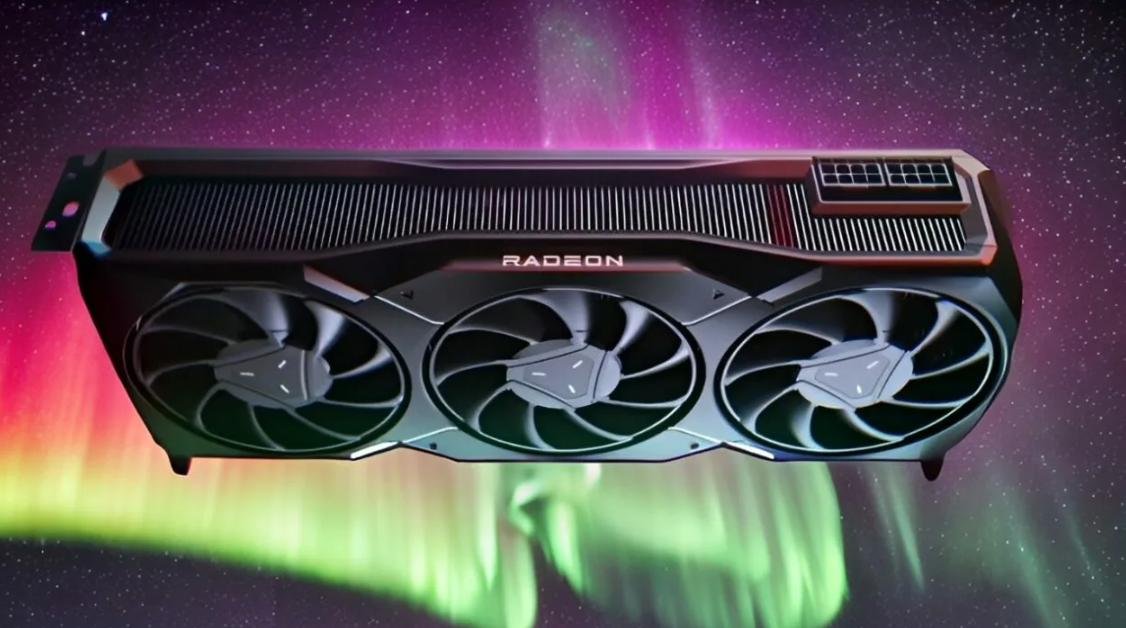
In practice, 4GB already falls short for many well-optimized esports titles, let alone modern AAA games with high-resolution textures. Even the full 8GB version is unlikely to handle new releases comfortably at higher settings — and the cut-down variant will hit that wall much sooner.
Nvidia went through a nearly identical situation, releasing budget cards with reduced memory marketed as fresh new products, and drew heavy criticism from the community for it. AMD seems to have decided the playbook still works and repeated it almost exactly.
What This Means for Buyers
If you’re eyeing a pre-built PC and spot a Radeon RX 9050 in the specs, it’s worth double-checking exactly how much video memory that particular build has. The gap between the 4GB and 8GB versions might not be obvious at first glance, but it will directly affect how well the system holds up in games a year or two down the line, as requirements keep climbing.
-
The 4GB RX 9050 is OEM-only — it won’t be sold as a standalone card.
-
The 64-bit bus on the 4GB model cuts memory bandwidth in half.
-
Performance lands at roughly half of the RX 9060 XT.
-
Pricing hasn’t been revealed yet, but the card is clearly aimed at the lowest budget tier.
For casual use and office PCs, this card might still find buyers — but calling it a gaming solution in 2026 feels premature. Worth watching next: whether the 4GB version eventually reaches retail on its own, and how independent benchmarks judge its real-world gaming performance.