Ubisoft CFO Frédéric Duguay stated bluntly that remakes can generate more revenue than brand new releases. The success of Assassin’s Creed Black Flag Resynced is a key argument. In the two weeks following its July 9, 2026, release, it sold 3.5 million copies—already exceeding the publisher’s full-year forecast. The game was released on PC, PS5, Xbox Series X/S, and Nintendo Switch 2, and peak concurrent players on Steam reached approximately 105,000—the franchise’s best result on that platform.
Duguay made this announcement during the Q1 2027 financial year report. He explained that remakes save on development costs by reusing assets, while also allowing for the implementation of modern mechanics and technologies. The marketing budget is also smaller—players are already familiar with the brand. “It’s a completely different economic model,” the financier concluded. Meanwhile, Ubisoft’s Q1 revenue was €256 million, down 9% year-on-year, but these figures don’t include sales of Black Flag Resynced, which was released in the second quarter.
CEO Yves Guillemot added that the remake was “the highest-rated installment in the series since the original Black Flag”—it has an OpenCritic score of 84, surpassing the recent Assassin’s Creed Shadows (81). He called the success “encouraging confirmation” of the new Vantage Studios structure, which now oversees key franchises. Incidentally, Vantage is responsible for the recently announced Rayman Legends Retold—a premium remake set to release on October 1st for the same platforms, plus cloud services.
Table of Contents
Remake vs. Remaster: What’s the Difference and Why Remakes Bring in More Money
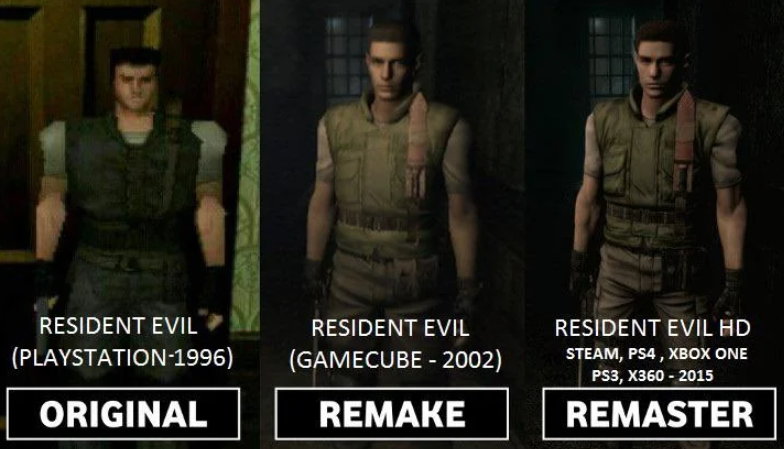
These concepts are often confused, but the difference is fundamental. A remaster is the same code, but with improved graphics, resolution, and frame rate. A remake rebuilds the game from scratch using a modern engine, changes the gameplay, and adds content—essentially, it’s a new game, but created with an eye on the original design. This is precisely the approach Ubisoft chose for Black Flag Resynced.
The economics are simple: developing a remake is significantly cheaper than creating a title from scratch—the foundations, script, levels, and characters are already in place. They’re confidently refined, incorporating new features, without spending years prototyping. Marketing is also cheaper—the audience already knows the universe; there’s no need to explain it. Ultimately, with a price that’s usually lower than that of a completely new game, margins are higher. Duguay rightly called this “a different model”: it allows for solid profits with less risk.
5 Factors Behind the Remake’s Success: Why Black Flag Resynced Became a Hit
Why was Black Flag Resynced such a huge success? We’ve compiled five key reasons—they clearly demonstrate how Ubisoft extracted the maximum from the old brand.
-
Simultaneous release on all current platforms. Players on PS5, Xbox, PC, and Switch 2 received the game on the same day—no delays or exclusive windows. This reached the maximum audience from day one.
-
Nostalgia + quality. The original Black Flag (2013) is considered one of the best installments in the series, leaving fans yearning for pirates. But the developers didn’t simply re-release the old game—they reworked the mechanics, added new content, and brought graphics up to par with modern AAA titles. OpenCritic gives it a score of 84—it’s not just a “remake for the money.”
-
Smart pricing. The game cost less than a full-fledged new release, yet felt like a premium product. The combination of recognition and an affordable price boosted sales—many people tried it out and were satisfied.
-
A record peak on Steam. 105,000 concurrent players not only translates into sales but also a vibrant community. The high online presence creates a snowball effect: friends join, streamers play, and discussions fuel interest. This is an all-time high for the franchise on PC.
-
Support from a new corporate structure. Vantage Studios, created specifically to manage major franchises, spearheaded the process and, by all accounts, has managed to establish effective collaboration between Ubisoft’s various studios. This isn’t just a “remake thrown together”—it’s a systematic approach, with each stage calibrated to modern standards.
Ubisoft has Rayman Legends Retold and, according to rumors, a remake of the first Assassin’s Creed coming up next, although this hasn’t been officially confirmed yet. The company isn’t saying remakes will replace new installments, but the financial results speak for themselves. The strategy is working—and it seems the publisher will continue to adhere to it, especially while it has such proven hits in its stable. For gamers, this means more high-quality remasters of their favorite games—and perhaps shorter waits for new announcements.