The announcement of Game of Thrones: War for Westeros, which made a huge splash at Summer Game Fest 2025, has received an unexpected sequel. PlaySide Studios has officially confirmed that the real-time strategy game based on George R.R. Martin’s universe will not be released at the end of this year, as previously planned. The release has been pushed back to early 2027. The reason is simple but honest: the developers need more time to polish the project. And judging by the latest gameplay details, they are not bluffing.
Table of Contents
Game of Thrones War for Westeros Release Date
New window — “early 2027.” While the month is not specific, according to PlaySide, the game will arrive in the first quarter. The title was originally targeted for late 2026, but internal testing showed that a rough release was unfeasible—RTS and Game of Thrones fans were expecting too much. Incidentally, this is not an isolated incident in the industry: this year, Danganronpa 2×2, Lords of the Fallen 2, and even the new Tomb Raider have all shifted their release dates. It seems 2026 is the year of major release calendar shakeups.
Reasons for PlaySide Strategy Game Release Delay
The official wording sounds diplomatic, but behind it lies a stern pragmatism. The studio stated: “We remain committed to creating an RTS set in Westeros that will meet the expectations of both players and fans. This decision gives us time to achieve a high level of quality.” Translating from marketing to practical terms, the developers are equipping the project with mechanics that are not yet ready for release. And that is the right approach. After all, a PC release is exclusive, and any poor execution at launch will destroy the game faster than Targaryen dragons can burn armies.
Gameplay Overview of Factions and Maps in the New RTS
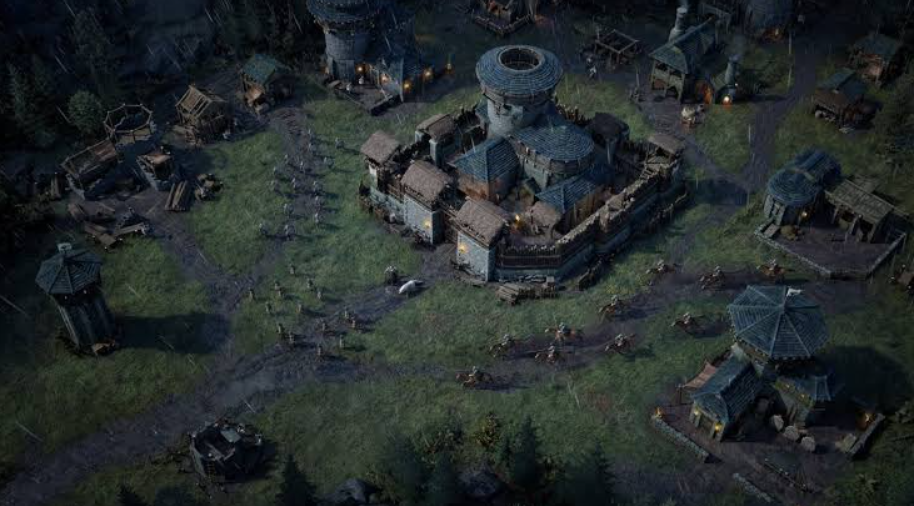
PlaySide did not stop with the announcement of the delay—the studio also shared a host of new details. The strategy game will feature four factions: the Starks, the Lannisters, the Targaryens, and the Night King’s army. Each has its own style and unique advantage in battle. For example, the Targaryens will likely receive dragon support, and the Night King will have the ability to resurrect the fallen. But this is still speculation.
Playable Factions and Legendary Heroes of Westeros
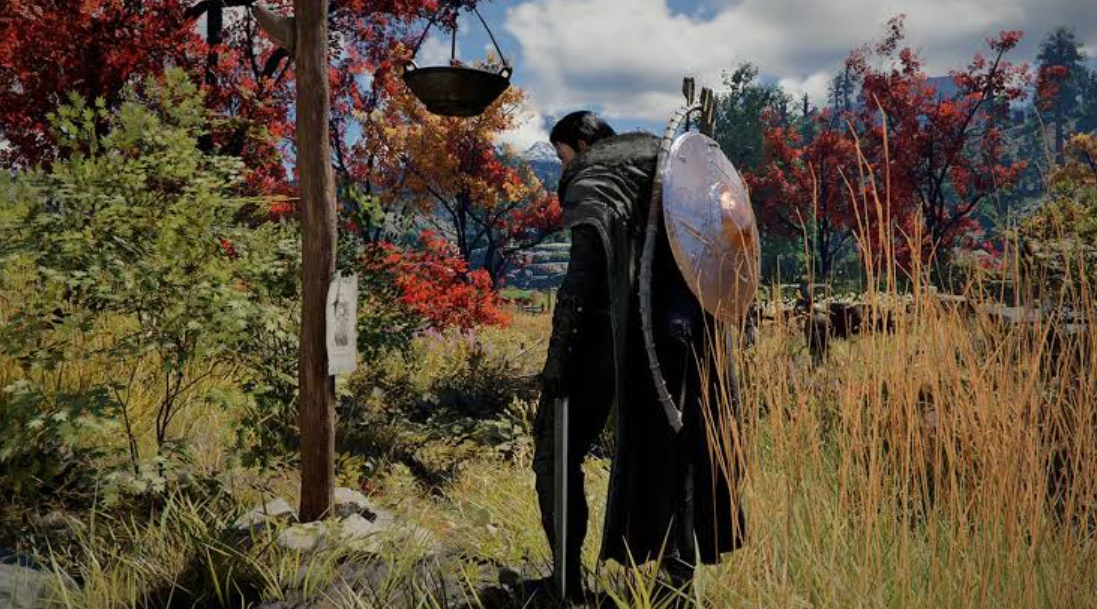
Among the heroes already confirmed are Jon Snow (who mobilizes knights on the front lines) and Tywin Lannister (a master of tactical army management). The faces of the remaining factions remain a mystery. Daenerys will likely represent the Targaryens, while the Night King will likely play as the King-Beyond-the-Wall himself. The developers promise to reveal all the characters in the coming weeks—we look forward to hearing that.
Ashmark Battle Tactics
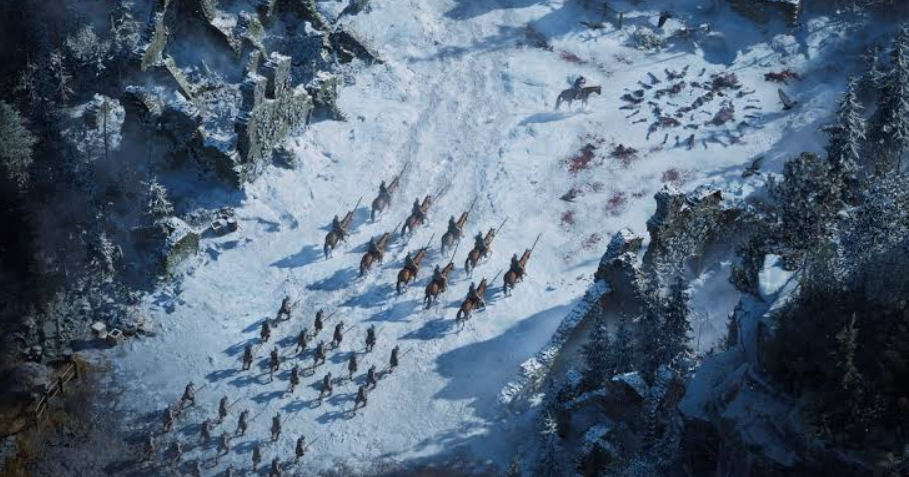
The studio places particular emphasis on “unit responsiveness, physical impact, and behavior.” Players control not individual knights, but squads that react accordingly to orders—dynamically reforming, evading, and counterattacking. The maps will recreate iconic locations of Westeros: King’s Landing, the outskirts of the Wall, and Ashmark—a location familiar from Robb Stark’s campaign. The developers specifically highlighted Ashmark: it will be a 1v1 map with two open lanes and flanking maneuvers—a true paradise for tacticians. And all of this surpasses in scale anything we have seen in previous HBO-licensed RTS titles.
Game of Thrones War for Westeros System Requirements
PlaySide has not released official figures yet. This is understandable—optimization is usually tweaked in the final stages. But we can make some educated guesses based on the engine (Unreal Engine 4/5) and genre. In an RTS, the load falls less on graphics than on physics, AI, and the number of units on screen.
Optimization Features and System Requirements Status
PlaySide will likely finalize the recommended parameters closer to beta testing. But it is already clear: the game will not require high-end hardware compared to modern AAA shooters. The studio claims “high responsiveness,” which means optimization is a priority. However, massive battles with hundreds of units can drain CPU resources. So, owners of older i5 and GTX 1060-class graphics cards risk experiencing a slideshow-like experience at high settings.
Preliminary PC System Requirements
If we take recent RTS titles like Company of Heroes 3 or Age of Empires IV as a benchmark, the minimum requirements will likely be around:
-
Processor: Intel Core i5-6400 / AMD Ryzen 3 1200
-
RAM: 8 GB
-
Graphics: NVIDIA GTX 960 / AMD Radeon R9 380
-
Storage: ~50 GB
Recommended: Core i7-8700 / Ryzen 5 3600, 16 GB RAM, and an RTX 2060 or RX 5600 XT. However, this is just a hypothesis. We will update this article as soon as the developers publish precise figures. In the meantime, you can add the game to your Steam wishlist—it is both a signal to the developers and a reminder to yourself.
Multiplayer in Game of Thrones War for Westeros
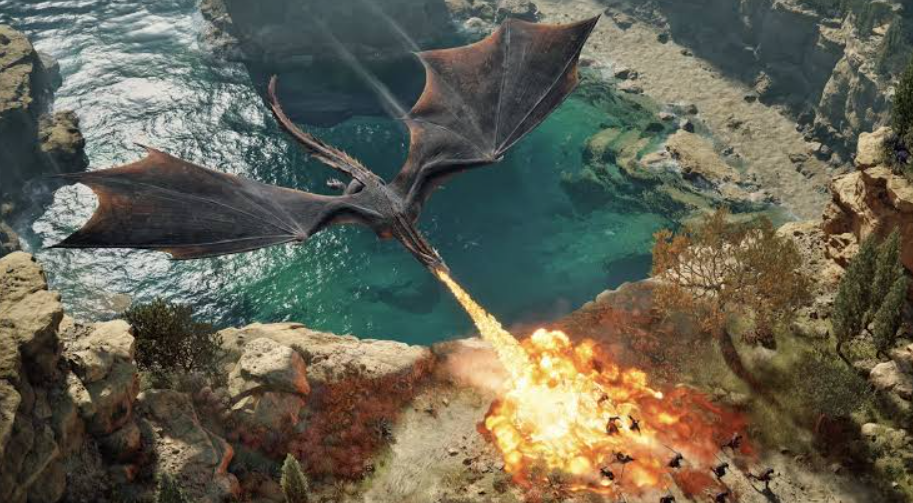
Yes, multiplayer has been confirmed. And not as a secondary mode, but as a key feature. PlaySide hinted that online play will be used for both cooperative missions and competitive battles.
Overview of Confirmed Online Game Modes
According to insiders and indirect hints from the studio, War for Westeros will feature several online modes:
Co-op versus AI – play scenarios with a friend.
1v1 and 2v2 PvP matches on Westeros maps.
Ranked mode with seasons and leaderboards.
The exact number of players per battle has not yet been revealed, but it will likely be small squads to maintain tactical depth. After all, crowds in RTS games often degenerate into chaos, and the developers emphasize “precision” in control.
Co-op and PvP Ranking Features
It has been officially announced that each online mode will have its own rules and balance. For example, in PvP, some faction storyline “trump cards” will be disabled to avoid imbalances. Co-op, on the other hand, will allow players to utilize every opportunity to jointly defeat the Night King’s armies. The ranking system will likely take into account not only victories but also leadership effectiveness, as in the best strategy games of recent years.
Thus, Game of Thrones: War for Westeros promises not only an epic campaign but also a long online life. The delay to 2027 is unfortunate, but justified. It is better to wait six months than to receive a half-baked product that the community will abandon within a month. We will keep our finger on the pulse – we are awaiting new trailers and system requirements.