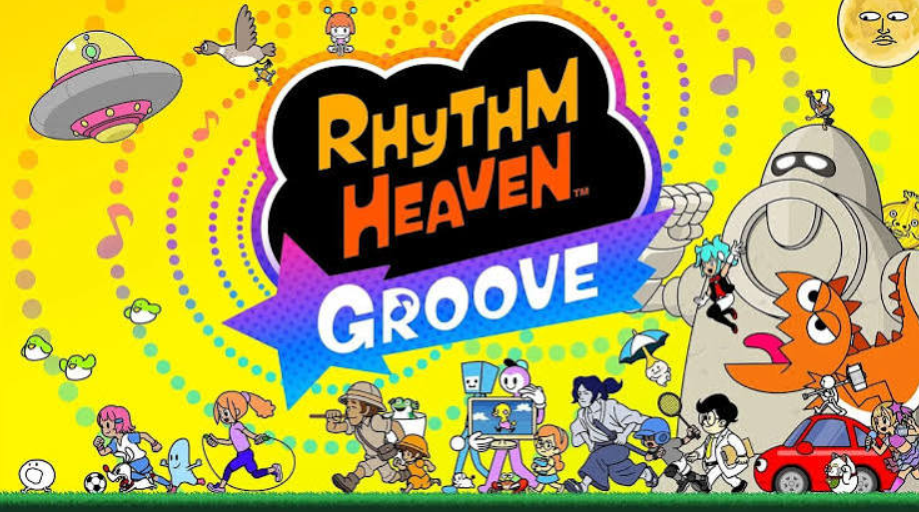
A new Famitsu report for the period from June 29 to July 5 has recorded a change in the top spot in Japanese retail charts. The new Nintendo Switch title, Rhythm Heaven Groove, opened at number one, selling 393,378 physical copies in just two days after its release. This is double the previous installment’s initial sales. This figure is especially noteworthy given that this figure is based solely on retail sales, excluding digital eShop sales.
Konami’s Ganbare Goemon Daishuugou! took second place by a wide margin, selling 60,428 copies. Rounding out the top three was Tomodachi Life: Living the Dream, with 26,552 copies sold, bringing its total to 1.44 million. Powerful Pro Baseball 2026–2027 took fourth place (13,261 units, 159,596 total). Star Fox for Switch 2 came in fifth, with 10,388 copies sold in a week. Despite rumors of the Switch’s imminent demise, the console is showing signs of life, and its library continues to grow with hits.
The hardware portion of the report also provides food for thought. The Nintendo Switch 2 sold 32,797 units in a week, increasing its lifetime sales in Japan to nearly 6 million—5,998,176. The PlayStation 5 family sold a total of 10,913 consoles, while the original Switch models sold 10,788. The Xbox Series sold 730 units. The gap between the Switch 2 and its closest competitor is more than threefold. The Japanese market is confidently voting for the Nintendo ecosystem, and the chart changes only confirm this.
Table of Contents
Rhythm Heaven Groove Secrets to Success Gameplay and Features
The success of Rhythm Heaven Groove can did not come from its brand alone. Nintendo has equipped the game with a vast array of modes that surpasses anything the series has offered before.
Over 80 single-player challenges—from waving umbrellas to tossing frogs—test your sense of rhythm in the most absurd situations. Each minigame demands precision and concentration: you need to not only keep time with the beat, but also catch the visual tricks the developers have incorporated into the levels.
Unique Beatspell Mode and Cooperative Multiplayer
The main innovation is Beatspell mode. This single-player campaign places the player in the shoes of a young wizard and battles monsters with rhythmic spells. Pressing buttons in time to the beat activates fireballs, healing spells, and other charms. This mode adds an RPG layer to the game that has not been seen in the series before. However, according to Western press reports, Beatspell begins to stumble towards the end due to monotony—repetitive battles become tiresome faster than the main minigame set.
Multiplayer is another feature that its predecessors could not boast. Up to four players gather around a single console and participate in over 30 cooperative rhythm games. Whether it is plucking hair from a bow in Rhythm Tweezers, hitting balls in Tennis Quest, or sharing a pie in Cake Wait, the developers created a mode that turns a party into an abyss of laughter and chaos.
Who is this game for? For fans of the series, it is an homage and an evolution. For newcomers, it is the ideal entry point: the mechanics are built on a single principle: listen to the beat and press the button in time. Nintendo aimed the product at the widest possible audience, and the Japanese numbers suggest the strategy worked.
Rhythm Heaven Groove Prospects in the Nintendo Switch 2 Era
393,000 copies sold in two days is not just a number. It is a signal. Rhythm Heaven Groove is shaping up to be the most successful release in the franchise’s history. And this is happening just as Nintendo is preparing for a full-scale transition to the Switch 2.
Sales of the new console in Japan have already exceeded 6 million units—6,026,931 as of mid-July 2026. This is despite the recent price increase, which one might expect would dampen demand. Instead, the Switch 2 continues to top the hardware charts week after week.
For Nintendo, Rhythm Heaven Groove serves a dual purpose. First, it is a farewell gift to owners of the original Switch—the game is fully compatible with both consoles. Secondly, it demonstrates that high-quality, highly focused content can still generate box office revenue even as a generational change approaches.
What does this mean for the future? Nintendo is not about to throw away its old console. Tomodachi Life has already surpassed 1.4 million copies sold, and Pokémon Pokémon has surpassed a million. The Switch library is alive and well and profitable. Rhythm Heaven Groove is no exception, but rather proof of the rule: the momentum Nintendo has set has not been interrupted even on the threshold of a new generation. Players are not ready to give up their familiar platform, and publishers are not ready to abandon their 20 million-unit audience just because a new model has been released.