Layoffs within Microsoft’s gaming division hit ZeniMax Online harder than anticipated. According to WARN notices, the studio behind The Elder Scrolls Online lost 213 employees, alongside another 166 from related ZeniMax Media departments—a total of 379 people. Over the past year and a half, ZeniMax Online’s workforce has shrunk from 461 to approximately 186—a 60% reduction. These are harsh figures, yet the developers insist they aren’t abandoning ESO.
Meanwhile, the situation at neighboring id Software is no better; 136 people were laid off there. However, the studio’s statement that its current team is comparable in size to the one that created Doom (2016) raises concerns. After all, Doom (2016) was built by a handful of enthusiasts rather than a massive AAA production machine. Now, ZeniMax Online is following the same blueprint: at a fan meeting, Jason Barnes and Jessica Folsom assured everyone that the remaining staff is sufficient to support the game—just as they did during the Wrothgar and Summerset eras. It sounds good, but it leaves more questions than answers.
Table of Contents
The Elder Scrolls Online Has Generated Nearly $2 Billion: How Much ESO Earns and Why It Won’t Be Shut Down
This is the key argument for ESO’s continued survival. The game launched in 2014, and its monthly revenue has consistently held at $15 million ever since—yes, even now, following all the layoffs. Its total lifetime revenue stands at nearly $2 billion. For Bethesda, it isn’t just an MMORPG; it is a financial engine that funds other projects. Shutting down such an asset would be economic madness.
$15 Million Per Month: ESO’s Financial Statistics
Just think about it: in ten years, ESO has generated more revenue than many hit titles have over their entire lifespans. At the same time, developing seasons is less expensive than producing annual expansions—and this serves as a second lifeline. In January 2026, ZeniMax officially switched to a seasonal model: each season lasts three months, with content released in frequent batches rather than just once a year. Incidentally, work on the seasons had begun 12–14 months prior—well before the layoffs. In other words, the strategy wasn’t hastily rewritten; it was already in place.
The 2026 Seasonal Model: What’s Changed and the Role of Layoffs
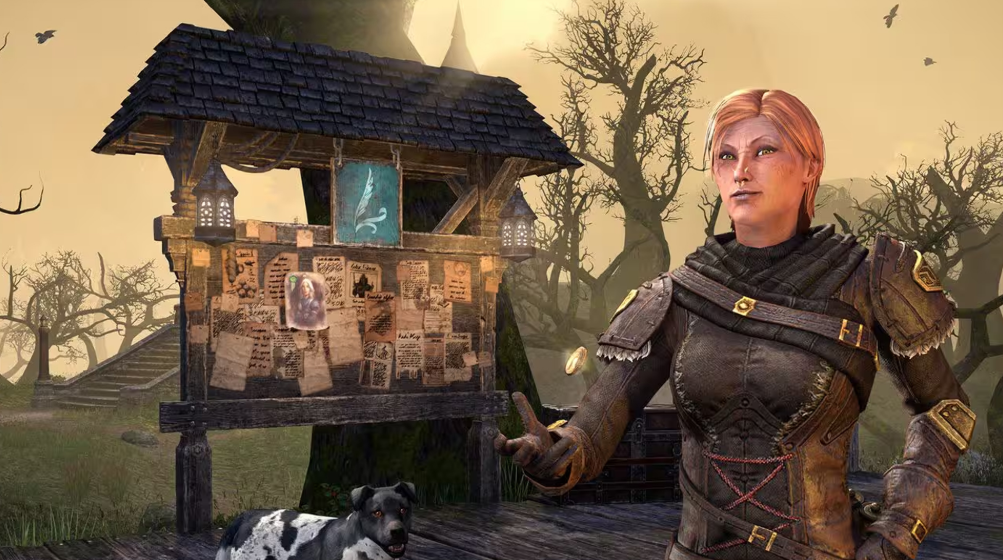
The “Return of the Thieves Guild” season has just kicked off in ESO, yet judging by the forums, players are discussing layoffs rather than the new content. This speaks volumes: the community is alarmed. Comments on Reddit include remarks like, “Surprised there was anyone left to post this.” However, the developers are already revising the roadmap—a task currently being handled by Game Director Nick Giacomini and Producer Susan Kath. A new roadmap is expected by autumn.
Of course, we cannot rule out a slowdown in the pace of content releases. But unlike id Software, ESO has a financial cushion and a subscriber base. Even if more people are laid off at ZeniMax Online (and rumors of further cuts before year-end are circulating), the game is unlikely to go offline. It is simply too valuable an asset.
So, it is too early to panic. ESO will live on—perhaps a bit more quietly and on a smaller scale, but it certainly won’t fade into oblivion. And if you’ve been waiting for a reason to return to Tamriel, now is the perfect time: seasonal content has arrived, and the developers need support. Who knows—the new roadmap might just hold a pleasant surprise.