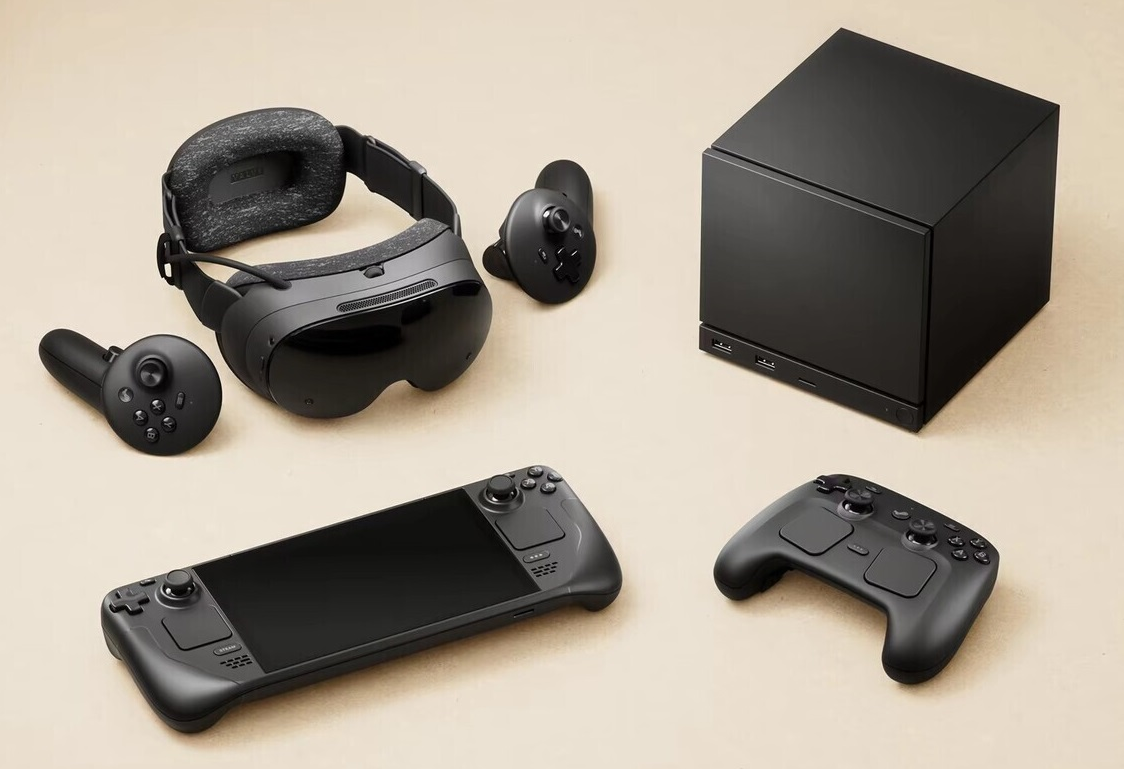
While everyone waits for a big reveal, Valve is doing the opposite — staying quiet and leaving digital breadcrumbs in places most users wouldn’t think to check. That’s exactly how a new “Great on Frame” section turned up in Steam last week — a storefront showcasing games optimized for the still-unreleased Steam Frame VR headset. The section is already publicly visible, even though the device itself is nowhere near store shelves.
For anyone who’s been tracking this story for a while, the move is a familiar Valve pattern. The company did the same thing before launching Steam Deck, and more recently, before Steam Machine hit the market.
Table of Contents
What Is the Great on Frame Section and Why Does It Matter
“Great on Frame” is a direct counterpart to “Great on Deck,” the storefront that appears in the Steam client on Deck itself, listing games verified to run well on that specific hardware. The difference here is that the Steam Frame version is now visible to regular desktop users too — pages like this are usually kept hidden until the device is officially unveiled.
The list is short for now, with only a handful of titles included at launch. The first game to earn a full Verified rating was Portal 2, after Valve revised its requirements for flatscreen 2D games running on a VR platform.
How Many Steam Frame Shipments Have Already Reached Valve’s Warehouses
The new storefront isn’t the only signal. Independent supply-chain watchers tracking Valve’s shipments have spotted cargo labeled “virtual reality devices” clearing customs in the US. By the latest count, that’s already 15 separate shipments — and the number keeps climbing week by week.
| Signal | What It Suggests |
|---|---|
| Great on Frame section in Steam | The storefront is already being prepped for the headset’s interface |
| 15+ shipments cleared through US customs | Mass production is well underway |
| Portal 2 earns Verified status | The game certification program is live and working |
| FCC filings for the controllers | Regulatory approvals are already cleared |
On their own, these look like scattered technical details. But put together, they paint a fairly clear picture: the hardware is physically ready to sell, and Valve appears to be putting the finishing touches on the software and storefront side of things.
When Will Steam Frame Launch: What We Know About the Release Date
Officially, Valve is still only committing to a “this summer” window — roughly late June through late September 2026. This isn’t the first time the timeline has shifted. The headset was originally announced in November 2025 with an “early 2026” target, then softened to “first half of the year,” and this spring Valve stated outright that memory shortages were forcing it to revisit both the shipping schedule and pricing.
The rollout of two other devices in the lineup offers a useful reference point. Steam Controller launched in May, Steam Machine followed on June 30, and in both cases mass warehouse shipments began weeks before pre-orders opened. If Steam Frame follows the same playbook, the date and price announcement could be just weeks away.
Why Steam Frame’s Price Is the Most Painful Question Right Now
Valve originally aimed to price the new headset below the $999 full-kit cost of the original Valve Index, launched back in 2019. But 2026 has complicated that plan. A global shortage of DRAM and LPDDR5X memory, driven by surging demand from AI data centers, has pushed up component costs across consumer electronics.
There’s already a real-world reference point: Steam Machine, which uses considerably more memory, launched at $1,049 for the base model — about $250 above early analyst estimates. Steam Frame carries 16GB of LPDDR5X, so it’s reasonable to expect pricing toward the higher end of the range, with most estimates clustering between $899 and $1,199 for the entry configuration.
How Steam Frame Differs From Valve Index and Its Competitors
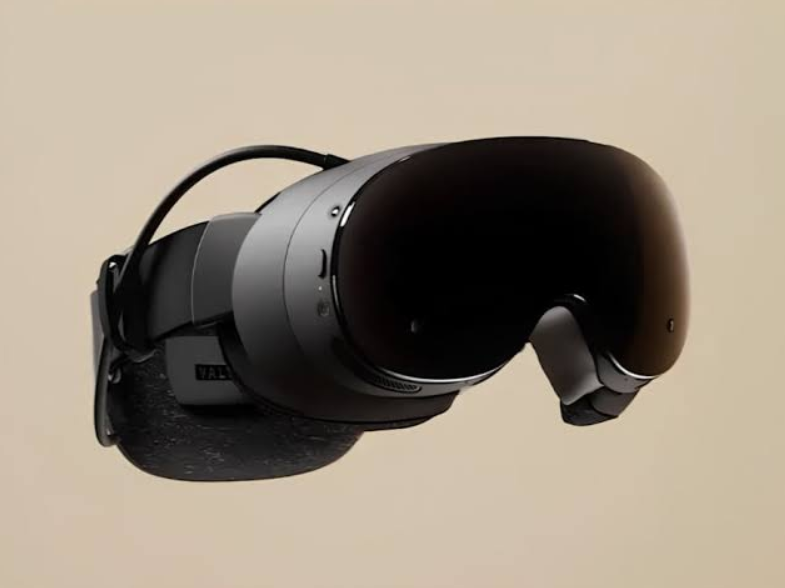
The key difference isn’t design — it’s philosophy. Valve Index was a powerful headset, but one fully tethered to a desktop PC via cable. Steam Frame is built around a different idea entirely: a standalone device running SteamOS on an Arm chip, capable of working independently, but designed first and foremost around wireless PC VR streaming from your gaming rig over a dedicated high-bandwidth connection.
One feature worth highlighting is foveated streaming — the headset tracks exactly where the user is looking and directs most of the available bandwidth there, saving connection capacity and improving overall image stability.
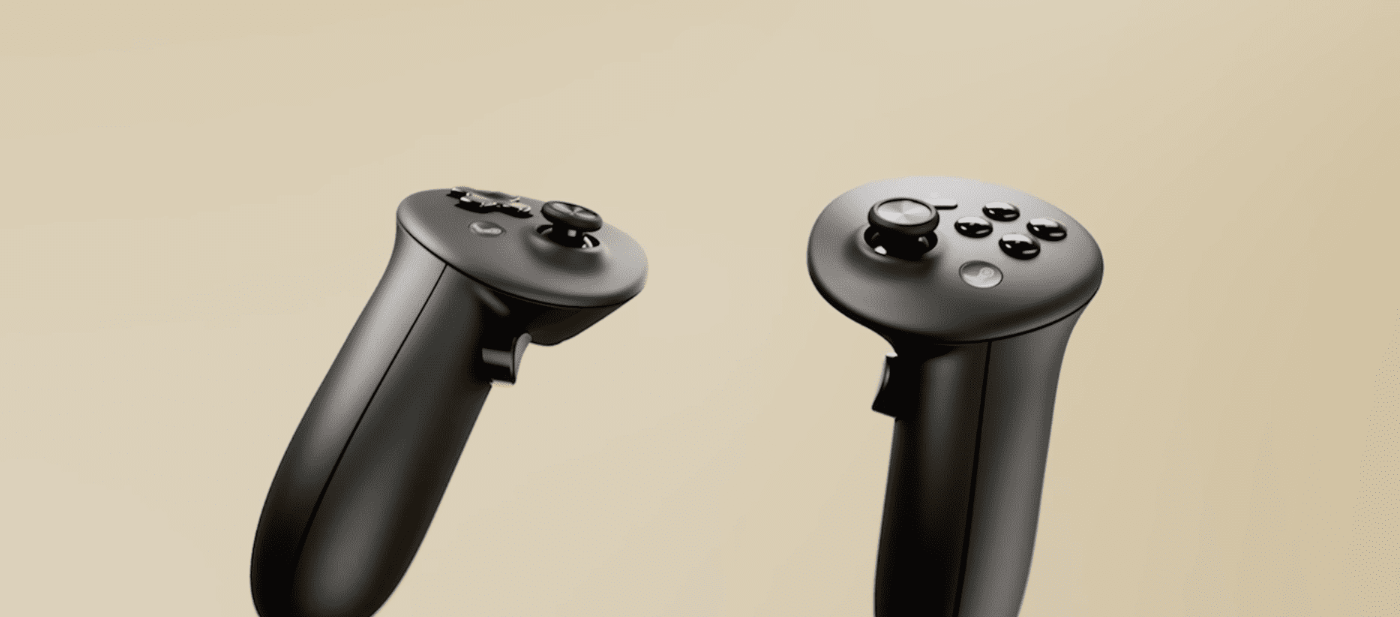
Steam Frame Verified certification requirements also offer a useful window into the hardware’s real-world capabilities:
-
Flatscreen (2D) games — minimum 30 fps at 1280×720;
-
Standalone VR titles — minimum 72 fps at 1728×1728;
-
Titles running below 1440×1440 get an Unsupported label, though they aren’t blocked from purchase or use.
What Players Should Do Right Now
For anyone planning to buy, there are a few practical things worth keeping in mind already:
-
Plan for pricing closer to the top of the range — around $1,000–$1,200 — rather than the more optimistic early-year estimates.
-
Watch for pre-orders to open shortly after the Steam Summer Sale wraps up — widely seen as the most likely window for an announcement.
-
Check your home network setup — wireless streaming needs a stable, fast connection, not just “having Wi-Fi.”
-
Don’t count on launch discounts: like Steam Machine, the rollout will most likely run through a pre-order lottery system rather than open sales.
What This Means for the VR Market
The appearance of the Great on Frame section isn’t just a technicality — it’s a signal that Valve is entering the final stretch of preparation. The company has already cleared regulatory hurdles, sorted out logistics, and rolled out its game certification program. What’s left are two public decisions: the date, and the price.
For the broader market, Steam Frame’s launch could become the first real test for Meta Quest in the wireless PC VR space. If Valve manages to pair an accessible price with strong streaming performance, competition in the standalone headset segment is likely to heat up significantly this fall. Anyone planning a VR upgrade may want to hold off on alternatives for now — Valve’s answer on price and date, by all appearances, isn’t far off.