The Dave the Diver expansion takes us to the heart of the tropics—and, as it turns out, there’s more than just a few new creatures there. The developers have introduced a whopping 82 species of fish, and they’re not scattered haphazardly, but carefully distributed across four distinct zones. The upper and lower parts of Lake Utara, the underwater sea beneath it (Lakebed Sea), and a separate category for those who prefer a fishing rod to a speargun. And it’s not just a catch-and-forget experience—many of these creatures are tied to story quests, and some are only unlocked after fulfilling certain conditions.
All collected information is neatly organized in the Marincabloom app on Dave’s smartphone. It becomes available immediately after meeting Sato in the village, and from that point on, you can always check what you haven’t caught. The app divides the entire list into those same four sections, each containing its own ecosystem with its own rules.
Table of Contents
Where to find all the fish species in Lake Utara
Fishing tips at depths of up to 35 meters
The upper part of the lake has a water depth of zero to 35 meters. It’s home to a diverse group of fish: from peaceful kissing gourami to the quite dangerous black caiman. Red and blue discus, banana cichlids, and archerfish are just some of the attractions. But the real highlight is the sulong, which can only be found in a cave with vegetation and is tied to a quest from the local resident, Uzme. The black caiman is a task for Bonita; you need to track it down for a special mission.
To reach some of the nooks and crannies of the upper part, you’ll need a machete. You’ll receive one during the main storyline, just before entering the jungle. This tool opens access to Surga Waterfall—and there, as we’ll see later, it’s a completely different story.
Dangerous predators at depths of 35 to 75 meters
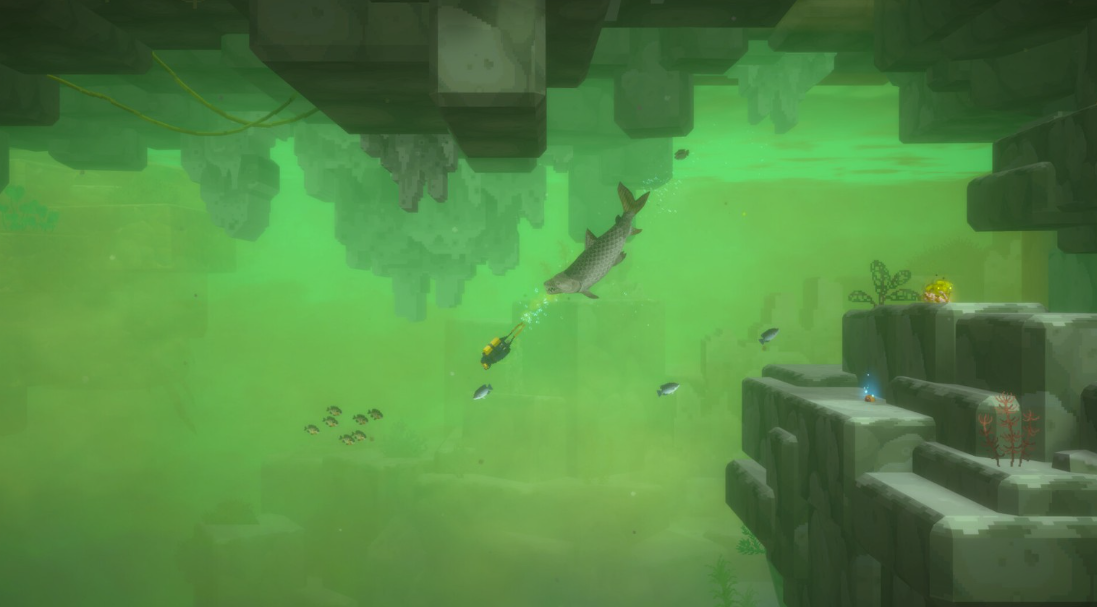
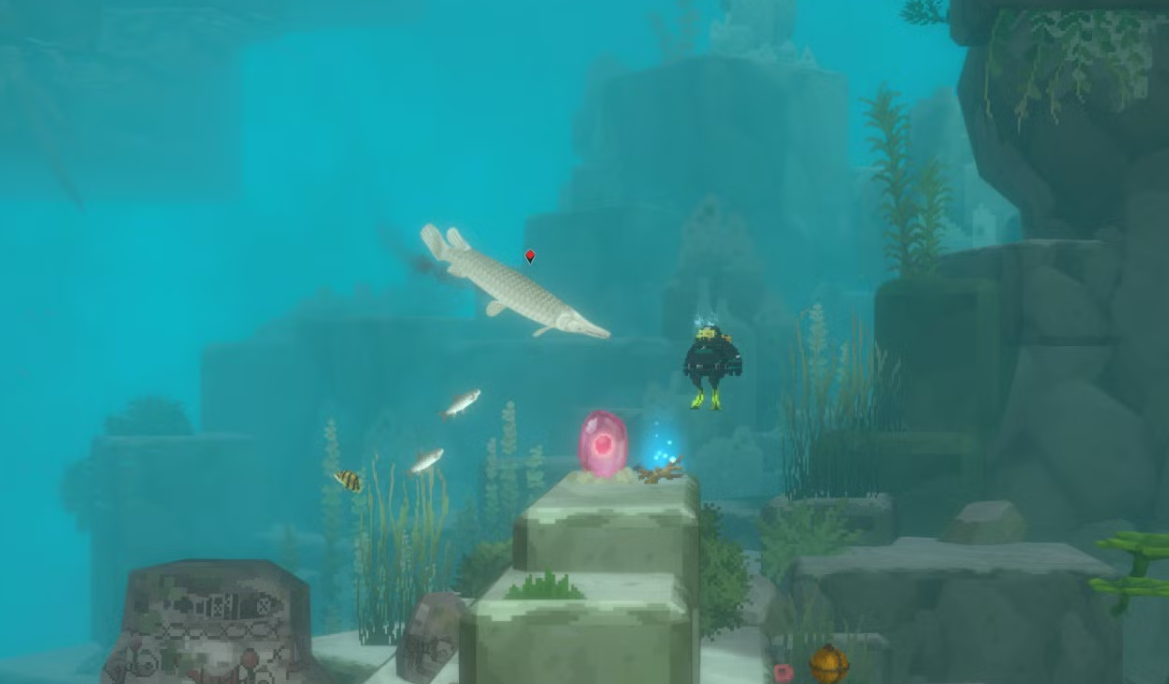
The lower part of the lake extends to depths of 35 to 75 meters, where the water is darker and the fish are larger and more toothy. Giant stingrays, electric eels, and Nile perch sound like they’re straight out of a horror movie, but that’s just the tip of the iceberg. There’s also a giant snakehead, an armored catfish, and a Piraiba catfish, as well as a platinum alligator gar that looks like it was created specifically for a meme.
The fire eel and giant snapping turtle stand out—they only appear in the Sunanga Ruins, and the turtle is actually part of Sato’s quest. After completing it, Sato will become your employee, and the fire eel will take up residence in the ruins. Incidentally, the sockeye salmon that many seek only appears after clearing the lower part of the lake, so preparation is essential.
How to get a machete and open hidden areas in the DLC
Almost half of the 82 species are locked behind tools and story conditions. No key means no access to the area, meaning no fish will appear, no matter how much you dive. The main key to the jungle is the machete. Dave is given it during the main story, right before entering the area, without any quests: the trigger is activated automatically as you progress through the storyline. Then it’s a simple matter: chop down the vines near Surga Waterfall to open the passage to the fishing area. This is home to the moon gourami, three-spotted gourami, Malayan leaffish, and snakeskin gourami.
There are essentially three types of hidden areas, each with its own tool or condition:
-
Thickets and vines – a machete works here. Opens Surga Waterfall and the side branches in the upper part of Utara.
-
Plant Caves — a lantern plus a quest. Sulong hides in an overgrown cave and is tied to Uzme’s quest. Without the quest, the fish won’t spawn, even if you can actually swim to the area.
-
Sunanga Ruins — lake cleanup and Sato’s quest. The fire eel only settles in the ruins after completing the quest chain with the giant snapping turtle.
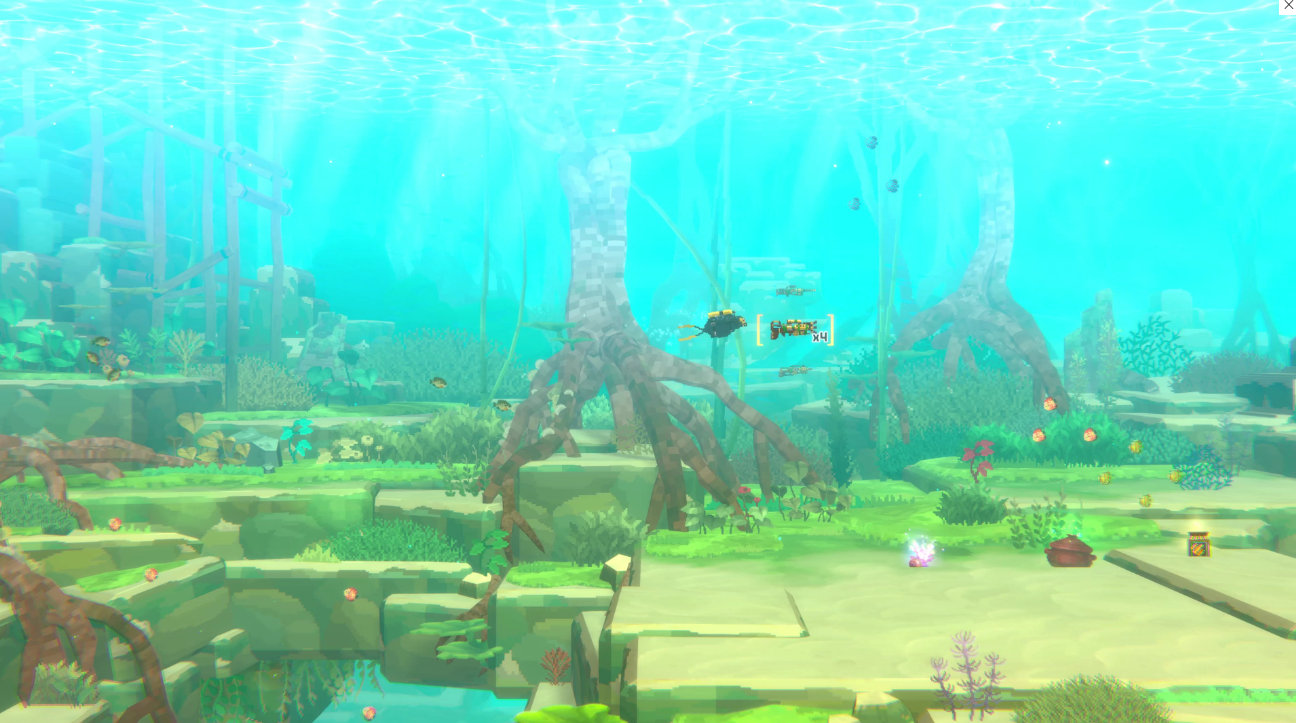
The pirarucu is a different story. This relic carcass doesn’t respond to regular bait and won’t come out with a harpoon in open water. There’s only one catch requirement: a fishing rod, the right spot, and the lower part of the lake cleared of story objectives. It’s impossible to mistake it for anyone else—its silhouette stretches almost the entire screen, its scales are like armor, and its movement is slow and leisurely.
The scheme is very clear. First, the tool grants physical access to the zone, and only then does the quest or cleansing remove the spawn condition. Skip the second step, and you’ll be circling empty water, wondering where the fish from the Marincabloom checklist went.
Prehistoric Creatures in the Underwater Sea of Lakebed Sea
But this is a whole other level. Beneath the lake lies an entire sea, teeming with ancient and downright bizarre creatures. You’ll find trilobites and ammonites, the Tullimonster, and the Burgessomeduza—names that would make a paleontologist’s mouth water. But the real highlights are the Aquilolamna, Ophthalmosaurus, as well as the Stethacanthus, Xiphactinus, and Basilosaurus, which are tied to the main storyline.
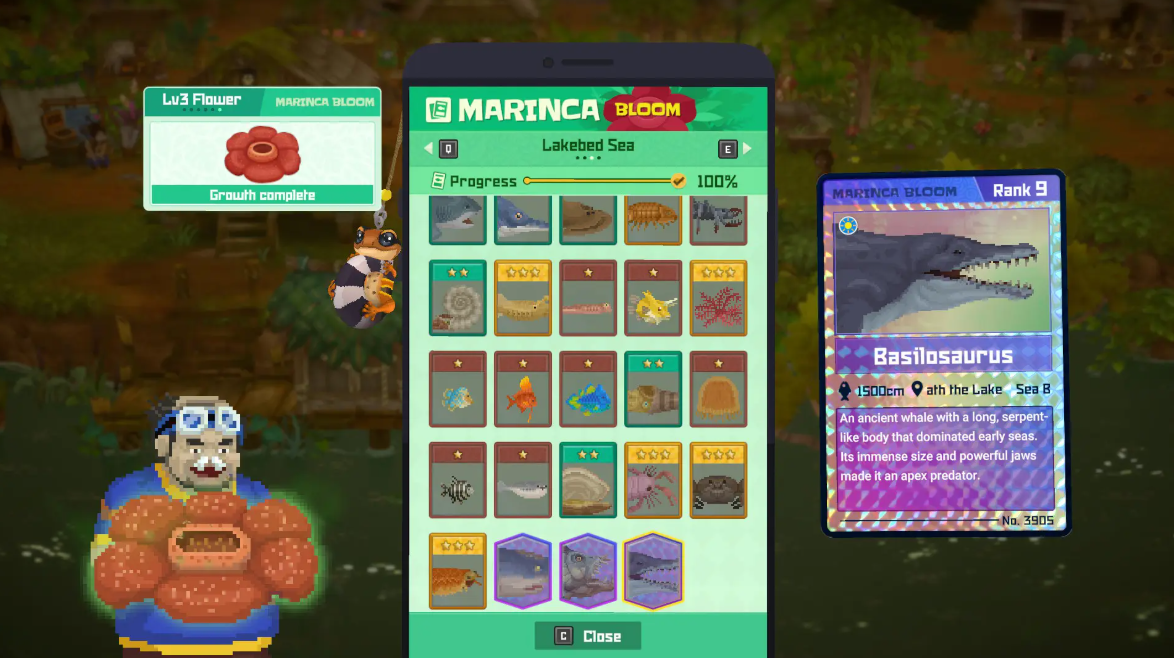
Honestly, when you see such creatures underwater, you start to doubt that this is even DLC for a diving simulator, and not a standalone game about the prehistoric ocean. But the developers skillfully wove them into the narrative—without them, you can’t complete key stages of the story, so you’ll have to dive deep and brave the fear.
A Guide to Rod Fishing at the Waterfall and in the Forest
Finally, a separate section for those tired of the speargun and looking for classic rod fishing. There are two locations: Surga Waterfall and Seta Forest. At the waterfall, you can catch moon gourami, three-spotted gourami, Malayan leaffish, snakeskin, and giant gourami—all peaceful but requiring patience. Seta Forest is home to emperor and striped snakeheads, peacock bass, tambaki, Malayan mahseer, redtail catfish, and tapah.
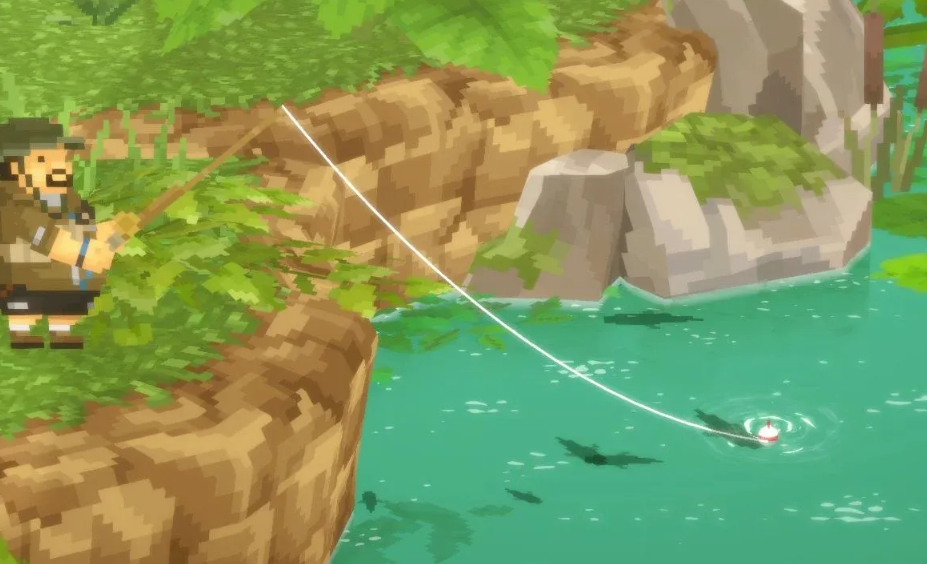
An interesting feature: in these locations, a hint appears on the screen in the lower left corner—you can check in advance what exactly is in that spot and avoid wasting time experimenting. This is especially convenient if you’re rushing to fill daily orders at the restaurant.
Overall, the In the Jungle DLC isn’t just a collection of new fish models, but a full-fledged adventure with quests, story-driven discoveries, and even small puzzles. 82 species is a significant number, especially considering that many of them require specific conditions. So grab your machete, load your harpoon, and get ready to dive—the jungle is unforgiving, but generously rewards the curious.