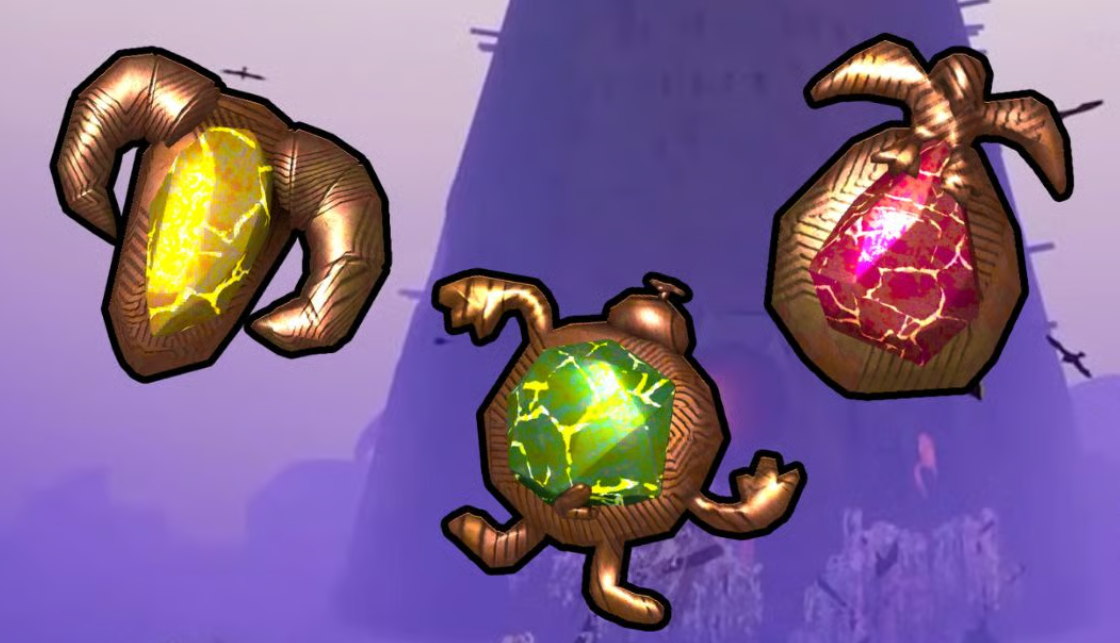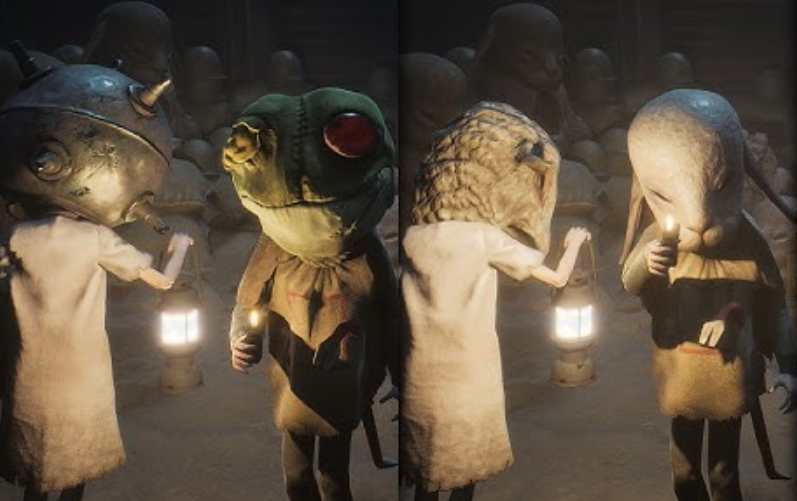
If you played the first game, you will probably remember that pets were more like cute companions than real helpers. In the sequel, the developers reimagined the concept. Now, the animals are not just a feast for the eyes—they provide specific in-game bonuses. And most importantly, eggs are no longer the only way to acquire a tailed or winged friend. Below, we will cover all the pets, their abilities, how to increase the number of slots, and we will also touch on mutations—a whole other topic.
Table of Contents
Full list of pets in Grow a Garden 2 so far
The list is impressive. There are regular frogs, mythical unicorns, and even dragons. Some can be purchased with in-game currency (shekels), some drop from eggs, and a couple are guild rewards or will be available “soon.”
How to Obtain Pets
Please note: the Black Dragon will cost a million shekels, but its exact release date has not yet been announced. You cannot just buy the Ice Wyrm; you will have to join a guild.
Drop rates and all egg types in Grow a Garden 2
Eggs have not gone anywhere, but there are fewer of them now, and the chances are better. The Regular Egg is a guild reward. It can drop anything from a frog (30%) to a raccoon (0.2%). Here is the full breakdown:
-
Frog (30%)
-
Rabbit (30%)
-
Deer (20%)
-
Robin (4.5%)
-
Bee (4.5%)
-
Unicorn (0.3%)
-
Golden Dragonfly (0.3%)
-
Raccoon (0.2%)
There is also an epic egg—the method for obtaining it is still a secret. However, its drop rate is known:
-
Deer (60%)
-
Unicorn (30%)
-
Bee (9%)
-
Bee (Large) (1%)
The Large Bee is apparently the rarest variant. It is worth saving up for these eggs if an event is announced.
Unique pet abilities and hidden bonus mechanics
Each pet has a unique ability. Some help protect your garden from thieves, some speed up plant growth, and some provide passive bonuses like increased jump height. Here is a quick breakdown of each:
-
Frog (Common) — +5 jump. A small, but nice bonus.
-
Rabbit (Common) — +5 walk speed. Run faster around the garden.
-
Owl (Uncommon) — +12% vision at night. It also hoots when a rare pet appears nearby—handy.
-
Deer (Rare) — Increases plant growth by 10%. Very useful for farming.
-
Robin (Legendary) — Pecks ripe fruit in your garden, sometimes dropping seeds. The rarer the fruit, the lower the chance.
-
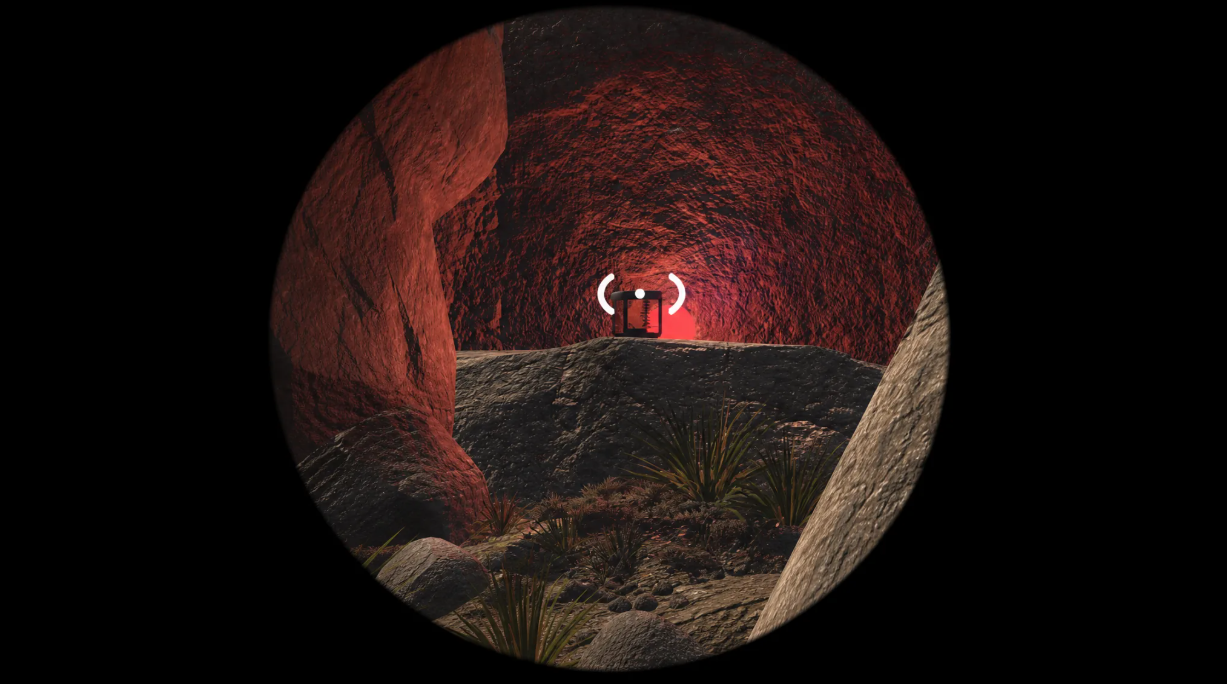
Bee (Legendary) — Summons intruders into your garden, swaps their controls, and applies a red filter to the screen. Chaotic but effective defense.
-
Monkey (Mythical) — collects ripe fruits and gives them to you. No problem.
-
Golden Dragonfly (Mythical) — doubles the chance of golden mutations in plants and fruits.
-
Unicorn (Mythical) — doubles the chance of rainbow mutations.
-
Raccoon (Super) — steals fruits from empty orchards at night. Increases theft limit by +25.
-
Black Dragon (Super) — sets trespassers on fire. Fire, as they say, is the best weapon against intruders.
-
Ice Wyrm (Super) — freezes trespassers. An alternative if you do not want fires.
By the way, mutations are a separate mechanic. The Dragonfly and Unicorn greatly increase the chance of rare plant and fruit variants. So if you are chasing collectibles, get them first.
Four Effective Ways to Get a Rare Pet
In Grow a Garden 2 there is no single path. The developers have left four options:
-
Appearing on the map – some pets (mostly common and uncommon) can simply wander around locations. Approach them and purchase them for shekels.
-
Guild Rewards – Frost Wyrm and common eggs are awarded for guild activity.
-
Hatching from eggs – the classic procedure. Common eggs drop from rewards, while epic ones are still a mystery.
-
Gifts from other players – yes, pets can be traded. However, not all of them, and most likely with restrictions.
Rules for the appearance and purchase of pets on the world map
The first thing you will notice in the sequel: the animals no longer sit in menus. They roam right around the location. Cool? Of course. While you are gardening, a rare one might run past. And most importantly, you can buy it at any time before the set changes. The timer above your head shows how much time remains until it disappears. The price is how many shekels they are asking. Seen a raccoon for 15 million? Decide for yourself: save it or pass it on.
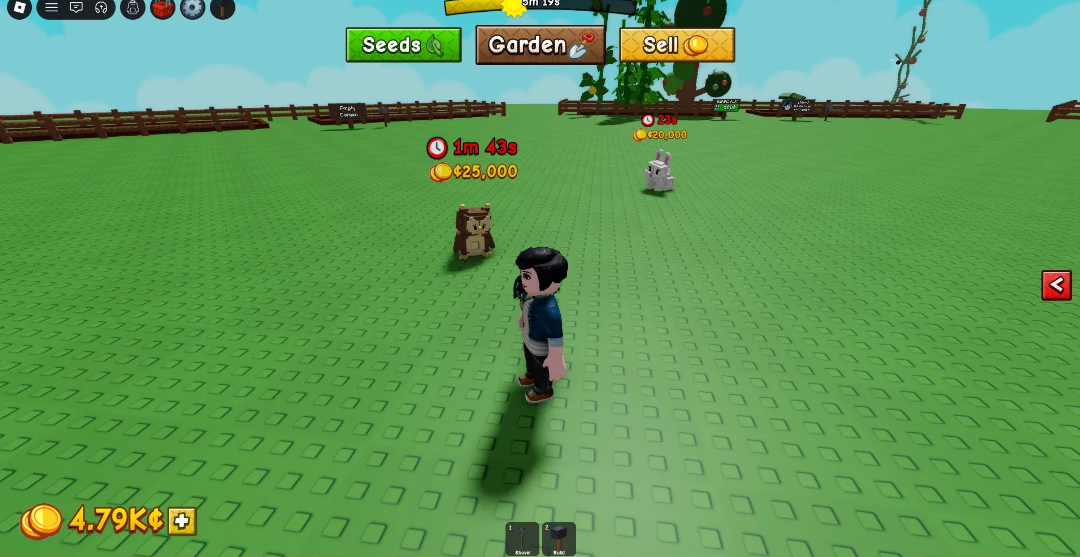
Tip: if you get a mythical or super pet, do not wait. The timer is ticking, and your guild rivals are also on the lookout.
Weekly Guild Rewards and Frost Wyrm Obtaining
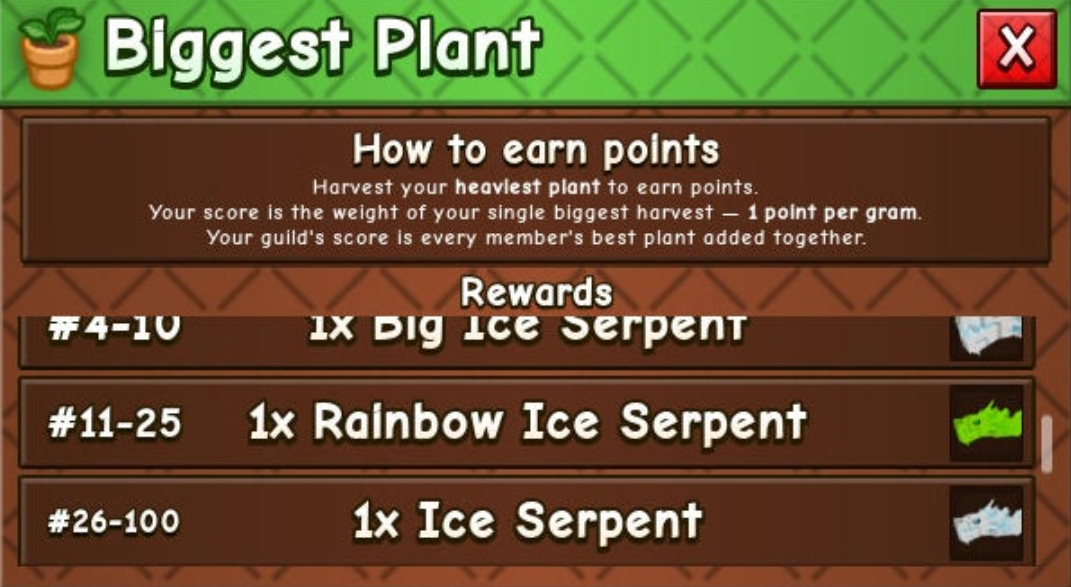
Are you in a guild? Great! Each week, rewards are unlocked for your shared score. The system is simple: one point = one gram from your largest harvest. It is cumulative with all members. The more you earn, the better the prizes.
Immediately after the release of Grow a Garden 2, the Frost Wyrm was the main reward. Later, the developers added variants—rainbow, large, and, according to rumors, even mega versions. To get them, you need even more guild points. So if you want a unique mutation, boost your overall score.
Egg farming through guild activity and new metagame rules
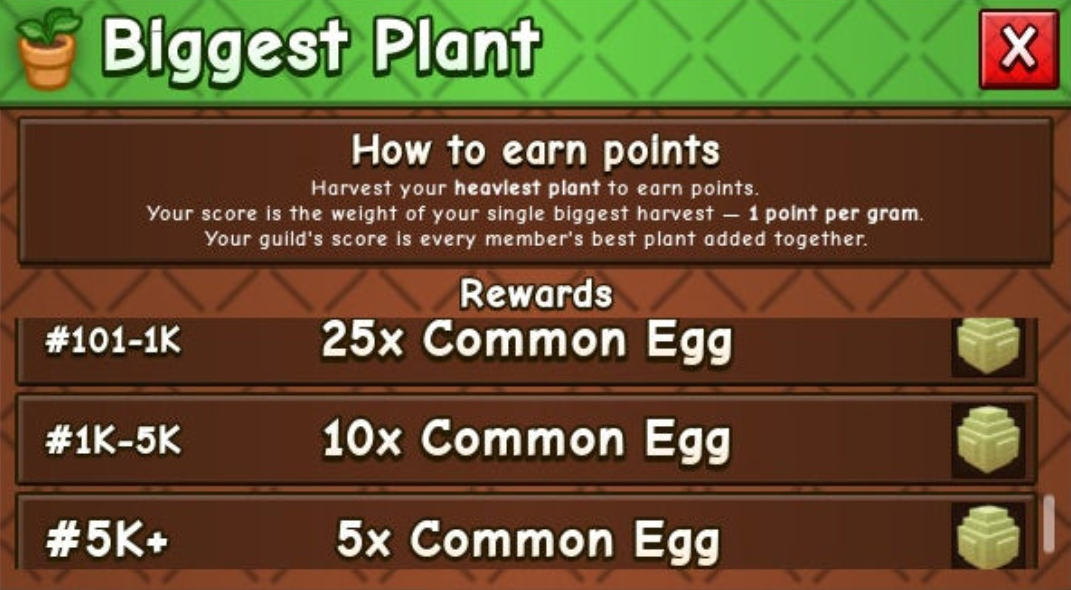
Eggs are back, but not as they used to be. There is no separate egg stand. Now they are also a guild reward. Earn enough points and you will receive several eggs. Take them to the garden, and they hatch.
Egg types remain: common and epic. Each has its own set of pets and chances. The lower the percentage, the rarer the pet. For example, a raccoon is almost impossible to get from a common egg (0.2%). However, a frost wyrm is more common in epic eggs—but epic eggs are still difficult to obtain.
Safely exchange pets and gifts from other players
Yes, a friend can gift a pet. This feature is available. But be warned: scammers often circulate in chats offering trades. “You give me something, I give you something.” There are no guarantees. Only give pets to people you truly trust. Otherwise, you will be left without shekels and without a pet.
How to quickly increase pet slots and unlock costs?
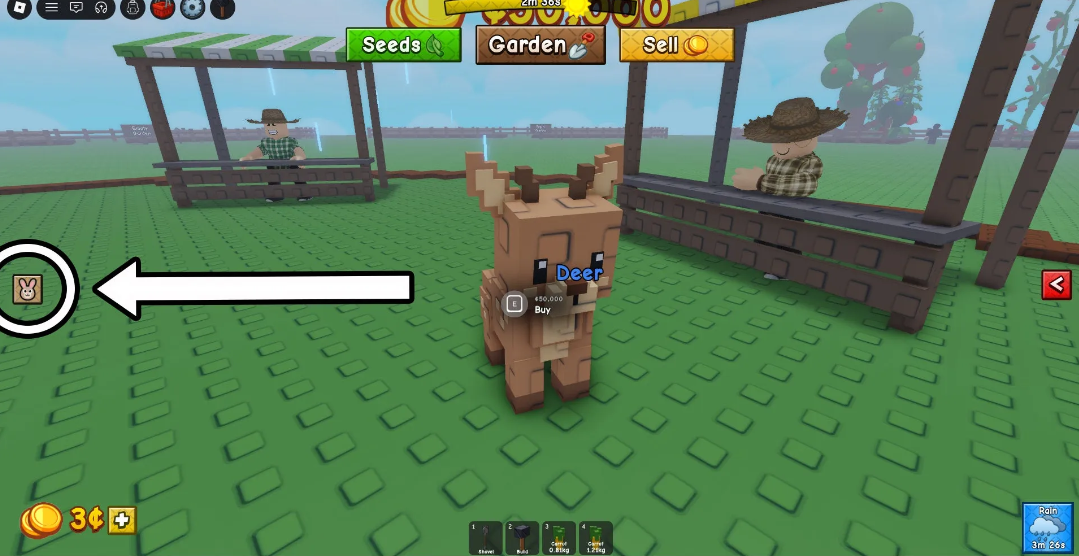
At the start of the game, you have three active slots. Want more? Click the rabbit icon on the left. Additional slots are paid. The prices are steep:
-
Fourth slot – 200,000 shekels
-
Fifth slot – 1,000,000 shekels
Further on, it looks like they will get even more expensive. So save up. Keep in mind: the more active pets you have, the stronger the passive bonuses. This is especially true if you have mutations.
All pet mutations from Large to Mega level
Mutated pets look different from regular pets. You cannot miss them. In addition to their cool visuals, they also provide ability boosts. For example, a large bee will be more of a thieves’ obstacle, while a huge raccoon will steal more.
What we know:
-
Large – increases the size and bonus of the ability.
-
Huge – the next level.
-
Rainbow – changes color and enhances the effect.
-
Mega – currently the rarest mutation, it has been spotted in guild rewards for record scores.
So if you get a mutant, do not swap it for a regular one. Keep it in your slots and upgrade your garden.
The current pet tier list for Grow a Garden 2
The gaming meta in 2026 is ruthless—resources are limited to three active slots, starting capital is dwindling, and the key task boils down to two things: maximizing profit or cementing your defenses during the night cycle. This ranking is based on the criteria of return on investment and defensive potential.
Pet Tier List
Why S-tier pets are a must-buy
The elite of the ranking did not reach the top for their looks—each of these pets radically changes the session’s economy. For example, the Unicorn activates a 2x multiplier on the Rainbow Mutation. Considering that Rainbow Fruit is valued on the market several times higher than the standard one, we get the most powerful economic boost in the game. The Black Dragon is ideal for the Night Phase—this lizard simply burns out thieves, organizing the best active defense (though you will have to tolerate its slowness). In terms of pure return on investment, the Robin, at 75,000, guarantees a seed drop right during harvest time, quickly recouping its price. Rounding out the top tier is the Raccoon—a unique unit for aggressive gameplay. Not only does it steal other people’s fruit, plundering unprotected orchards, but it also increases the theft limit by +25.
Game Garden Economy and Defense with Tier A Pets
If you do not have the budget for top-tier pets yet, midgame is a great time to grab Tier A pets. Start with the Stag—it increases growth by 10%, and this effect stacks well. A couple of Stags will turn farming into a nonstop conveyor belt. At 50,000, it’s the best value for money, so buy it first. Next up is the Golden Dragonfly. It gives 2x the Gold Mutation bonus and is a budget alternative to the Unicorn—9 million versus 12 million. For ranged defense, the Bee is a good choice—the cheapest active defender at just 1 million, ideal for those who frequently leave the screen. If you need a late-game guard option, the Frost Wyrm works similarly to the Dragon, but with a Freeze effect, and you will need to acquire it through a guild.
Efficiency of using B and C tier pets
The Rabbit and Monkey are useful only in specific scenarios. The Rabbit’s increased speed stacks and is a lifesaver in two situations: when you need to outrun a rare pet spawn or quickly escape after a raid. This creates a powerful synergy—the Rabbit + Raccoon combo is literally made for daring heists. As for the Owl (+12% night vision) and Frog (+5 jump range), their utility is too niche, so they are definitely not worth using in the mid-game.
Hidden game mechanics and rules for assembling the best build
Newbies often make two critical mistakes when choosing pets:
-
Mutations do not stack. Each pet can only receive one type of mutation. Putting Unicorn and Golden Dragonfly in the same setup only makes sense for the overall area coverage (so that different fruits can catch their own triggers), but you cannot buff one specific fruit twice.
-
Only numerical stats stack. Rabbit Speed or Deer Growth Rate scale without problems.
The ideal order for buying with three open slots is as follows: first, get Deer, then Golden Dragonfly, and then save up for Unicorn. Only add defensive pets when your garden plots become a target for looters.
Good luck in completing your collection. And remember: in Grow a Garden 2, rare pets are everything.