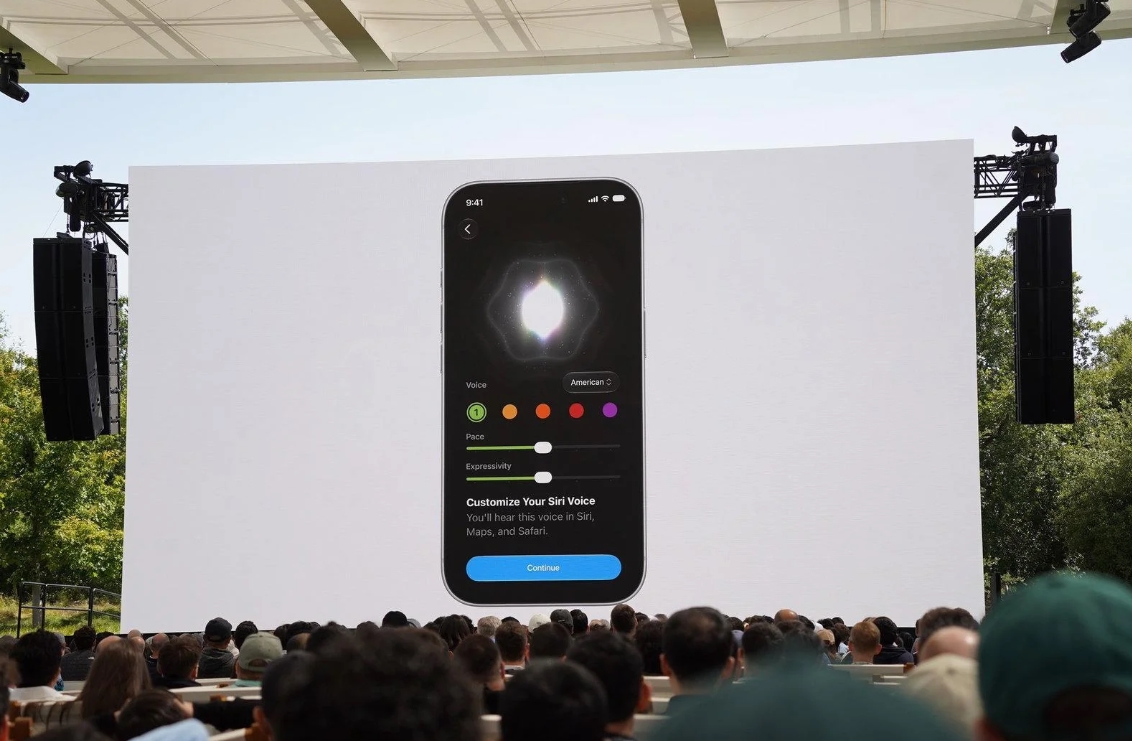
A year ago, everyone assumed OpenAI would be Apple’s AI partner of choice. ChatGPT inside iOS felt almost inevitable — the rumors were everywhere, the logic seemed obvious. Then Apple quietly pivoted, and now the new Siri AI runs on Google Gemini. For the industry, it’s a surprise move. For iPhone users, it might finally be the moment Siri becomes worth talking to.
Table of Contents
Why Apple Chose Gemini Over OpenAI: Strategic Bet or Practical Decision
The Apple-OpenAI partnership was one of the most discussed rumors in tech for months. Yet when the announcement came, it was Google’s name on the contract — specifically Gemini, the multimodal language model developed by Google DeepMind.
The reasoning becomes clearer when you look at the details. Google is already deeply embedded in iOS infrastructure — Safari’s default search engine being the most obvious example. Gemini also performs exceptionally well on multimodal tasks: image understanding, location context, cross-app reasoning — exactly the capabilities a mobile assistant needs. But perhaps the most important factor is Apple’s long-standing commitment to on-device data processing. Gemini’s architecture fits that philosophy in a way that cloud-first models simply don’t.
Apple has built its brand around privacy. Siri AI processing requests without sending data to external servers isn’t just a technical detail — it’s a core selling point that separates Apple’s approach from virtually every competitor in the space.
New Siri AI Features: Full Breakdown of What It Can Do
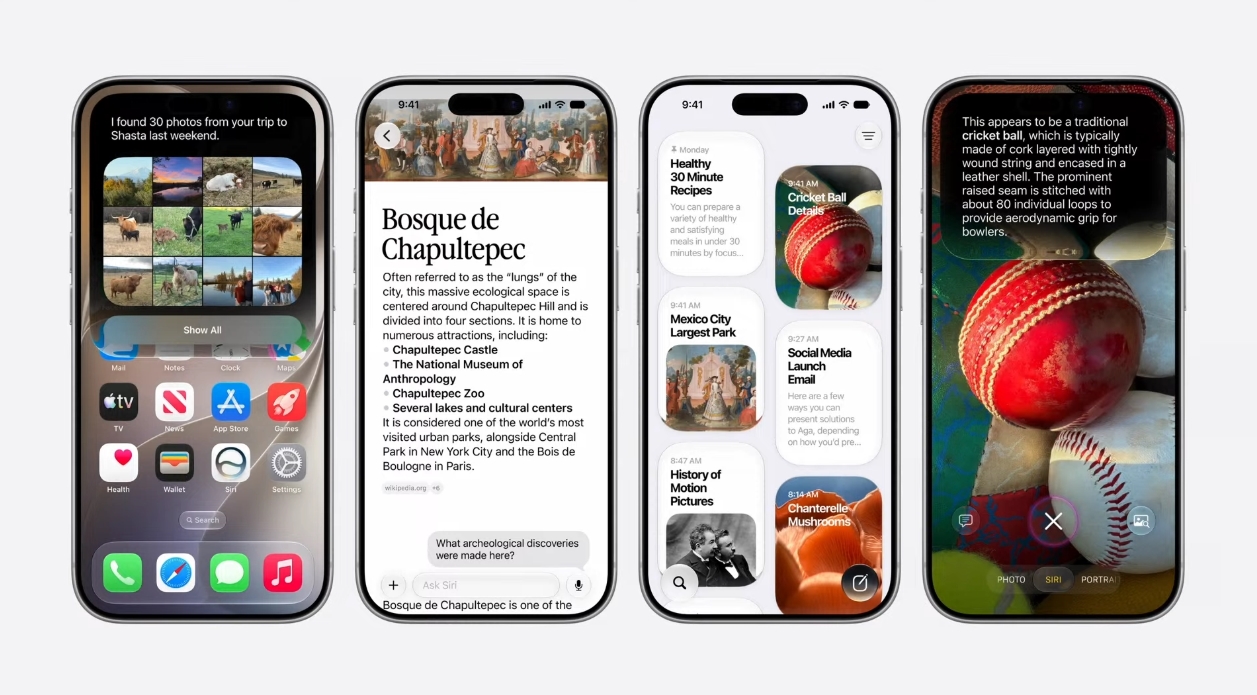
This isn’t the Siri people have been mocking for years. The updated assistant arrives with a feature set that actually competes at the top of the market:
| Feature | What It Does |
|---|---|
| Web Search | Siri independently searches the internet for up-to-date information |
| Image Generation | Creates images from text prompts directly within the assistant interface |
| Message Composition | Drafts and sends messages using voice input or contextual understanding |
| Navigation & Routes | Plans routes without needing to switch to a separate maps application |
| Photo Search by Description | Finds photos in your library based on natural language descriptions |
| Geolocation from Photos | Identifies where a photo was taken by recognizing objects and landmarks |
| Full App Integration | Deep access to both native and third-party apps across the iOS ecosystem |
The last point deserves special attention. Siri AI gains system-level access to iOS — meaning it can operate inside any app, not just Apple’s own. Instead of opening an app manually and navigating through it, you tell Siri what you need and it handles the task in context. That’s a fundamentally different kind of assistant.
How Siri AI Integrates With iOS Apps — Including Third-Party Services
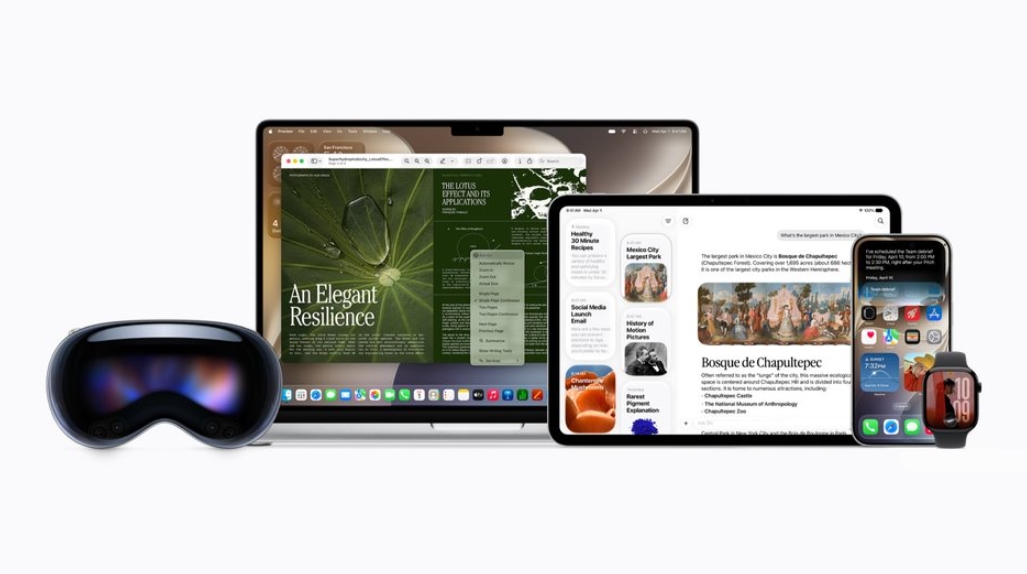
Until now, voice assistants on smartphones followed a familiar playbook: launch apps, run basic built-in commands, occasionally disappoint. Siri AI breaks from that pattern with deep ecosystem integration that puts it closer to an agent than a simple voice interface.
In practice, the assistant will be able to:
-
read the context of whichever app is open and act within it;
-
locate specific files, photos, or messages based on description rather than exact names;
-
chain multi-step tasks — find a restaurant, check directions, and message a friend about the plan, all in one go;
-
connect with third-party services that open their APIs for integration.
For mobile gamers specifically, the implications are interesting: Siri could eventually pull up guides, adjust settings mid-session, or manage notifications without ever leaving the game.
Siri AI Privacy: Why Your Data Stays on the Device
Every time a new AI assistant launches, the first question privacy-conscious users ask is: where does my data go? With Siri AI, Apple’s answer is unambiguous — it stays on your device.
Processing happens locally, on-device. This sets Apple’s approach apart from Google Assistant and Amazon Alexa, both of which route the bulk of their processing through cloud servers.
For users, this means:
-
requests are not stored on Apple’s or Google’s servers;
-
personal data — messages, photos, location — never leaves the device;
-
core functionality works even with an unstable or limited internet connection.
Apple is essentially building something the AI industry has struggled to deliver: a genuinely capable assistant that doesn’t require surrendering your privacy to use it.
Siri AI vs Google Assistant vs ChatGPT on Mobile: Side-by-Side Comparison
The competition for the best mobile AI assistant is more intense than it’s ever been. Here’s how the new Siri stacks up against its main rivals:
| Feature | Siri AI (Gemini) | Google Assistant | ChatGPT (Mobile) |
|---|---|---|---|
| Underlying Model | Google Gemini | Google (proprietary) | GPT-4o (OpenAI) |
| Data Processing | On-device | Cloud | Cloud |
| OS Integration | Deep (iOS) | Deep (Android) | Limited |
| Image Generation | Yes | Partial | Yes (DALL·E) |
| Offline Functionality | Partial | No | No |
| Photo Search | Yes | Yes | No |
The combination of deep iOS integration and on-device processing is Siri AI’s clearest competitive edge. Google Assistant is more powerful in cloud-based tasks, ChatGPT leads in open-ended conversation, but neither is as tightly woven into the operating system of the device it runs on.
Siri AI Release Date and Compatible iPhone Models
Apple hasn’t confirmed an exact launch date, but the June 2026 announcement aligns perfectly with the company’s WWDC cycle — which typically previews features that ship with the fall iOS update. The most likely delivery window is iOS 20, autumn 2026.
As for device support, Siri AI is expected to require an A17 chip or newer, as well as all models running M-series chips. That puts iPhone 15 Pro as the minimum supported device — the threshold needed for the on-device processing that makes the privacy guarantees possible.
What Siri AI on Gemini Actually Means for iPhone Users
Apple has been playing catch-up in the AI race for a while. Siri became a punchline while ChatGPT rewrote expectations for what an AI assistant should be. The Gemini integration is Apple’s most serious attempt yet to change that narrative.
There’s also a bigger picture here. Tim Cook announced he’ll step down as CEO in September 2026 — and one of the last major moves under his watch is a fundamental reimagining of Siri. Whether that makes it a legacy-defining moment or simply a foundation for the next chapter depends on how well the product actually delivers.
For iPhone users, the practical takeaway is straightforward: by autumn 2026, the phone in your pocket should be considerably smarter — and you won’t have to trade your privacy to get there. Worth watching how iOS 20 shapes up.