Esports is at risk again: the international association IBIA has recorded a sharp jump in suspicious betting in the industry in the first quarter of 2026. While traditional sports are slowly being cleaned up, gaming seems to be moving in the opposite direction.
Table of Contents
IBIA Report for Q1 2026: 15 suspicious incidents in esports

3 .70 incidents per quarter: esports in third place
The situation with honesty in competitive gaming in the first three months of this year looks quite alarming. The new IBIA report includes 70 suspicious incidents, and 15 of them (a solid 22%) were related to esports. Only mastodons like football (25 cases) and tennis (16) are worse off. Apparently, fans of easy money have shifted their attention to digital disciplines.
The dynamics are scary. For comparison, during the same period last year, only four suspicious cases “flashed” in esports. The overall statistics for all disciplines in the first quarter of 2026 amounted to 63 cases, but it was video games that showed the most abnormal growth (yes, almost four times).
Sportradar vs IBIA: different match-fixing statistics
Interestingly, this surge runs counter to recent positive trends. Earlier, analysts from Sportradar noted that esports is almost the cleanest niche with a minimum number of “negotiators”. In their reports, the numbers have been steadily falling: from 41 cases in 2024 to 34 in 2025. But the current IBIA report shatters these illusions.
Here it is worth clarifying an important point. An increase in the number of notifications in monitoring systems does not always mean that there are more fake matches in reality. Maybe the software just got better at catching them. Sportradar emphasizes that global match-fixing is now becoming less centralized, but much more sophisticated. It’s harder to catch the organizers by the hand now.
IBIA monitoring: $300 billion of turnover under control
IBIA CEO Khalid Ali is determined. According to him, the organization is actively developing collective intelligence by cooperating with the largest licensed bookmakers. This network monitors over 1.5 million sporting events per year, passing through a turnover of $ 300 billion. Impressive figures, but whether they will save the industry from a new wave of scandals is an open question.
Polymarket and Kalshi as a threat to the integrity of esports tournaments
Khalid Ali is sure that the expansion of betting lines does not automatically mean the collapse of fair play. On the contrary, digitalization is hitting scammers hard. Every legal online bet leaves a reinforced concrete digital footprint, so it becomes physically more difficult to hide from the radar. Criminals are being trivially cut off from oxygen.
However, alternative platforms are coming on the scene here — platforms like Polymarket and Kalshi collect huge trading volumes at esports events. On the one hand, it removes gray areas from the shadows in countries without strict regulation of betting. On the other hand, the temptation for the pro players themselves to make money on an easy “drain” skyrockets. And this is a very real threat.
Ban nifee in CS2 for manipulating results
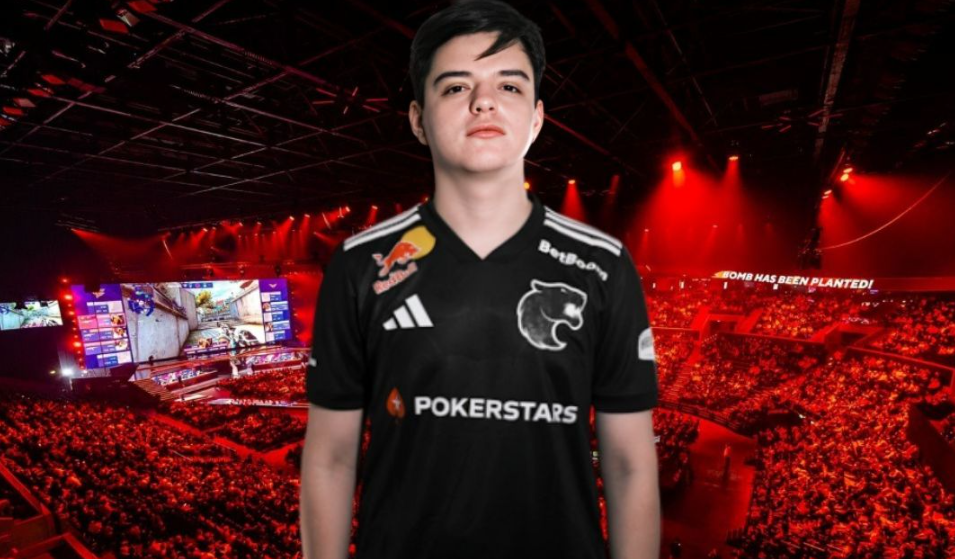
You don’t have to go far for examples. Last month, professional CS2 player Dmitry “nifee” Tediashvili was banned for four years. The reason is trivial. The guy purposefully manipulated his own results for the sake of profit in the forecast markets (a classic quick-money scheme that failed this time).
The main problem is that legally Polymarket and Kalshi are not considered bookmakers. Accordingly, they simply do not get into the IBIA monitoring network. Companies, of course, disown the support of insider trading, and the US authorities are already preparing strict restrictions for manipulated sites. But for now, the system remains leaky. Therefore, the latest IBIA report shows only the tip of the iceberg, and the real scale of the match-fixing industry remains to be seen.