The esports market in 2026 is still raging—the financial discipline of many organizations remains at the level of amateur leagues from a decade ago. Players or commentators suddenly announcing months-long payment delays on social media has become alarmingly commonplace. It seems not a month goes by without some public showdown over empty wallets.
Table of Contents
NLC and Leagues.GG Scandal: Chronic Non-Payment of Casters and Players
The latest example of a systemic crisis is the League of Legends Northern Championship (NLC). Tournament operator Leagues.GG has come under a barrage of criticism, including the firing of top casters and chronic non-payments. We covered this story back in February, but since then there has been no transparency—the situation looks extremely dubious.
Leagues.gg representatives justify the delays by citing a lack of “commercial returns” and the search for additional funding. The explanation is convenient, but it in no way justifies the complete disregard for specialists who have waited years for their hard-earned money. (Yes, years.)
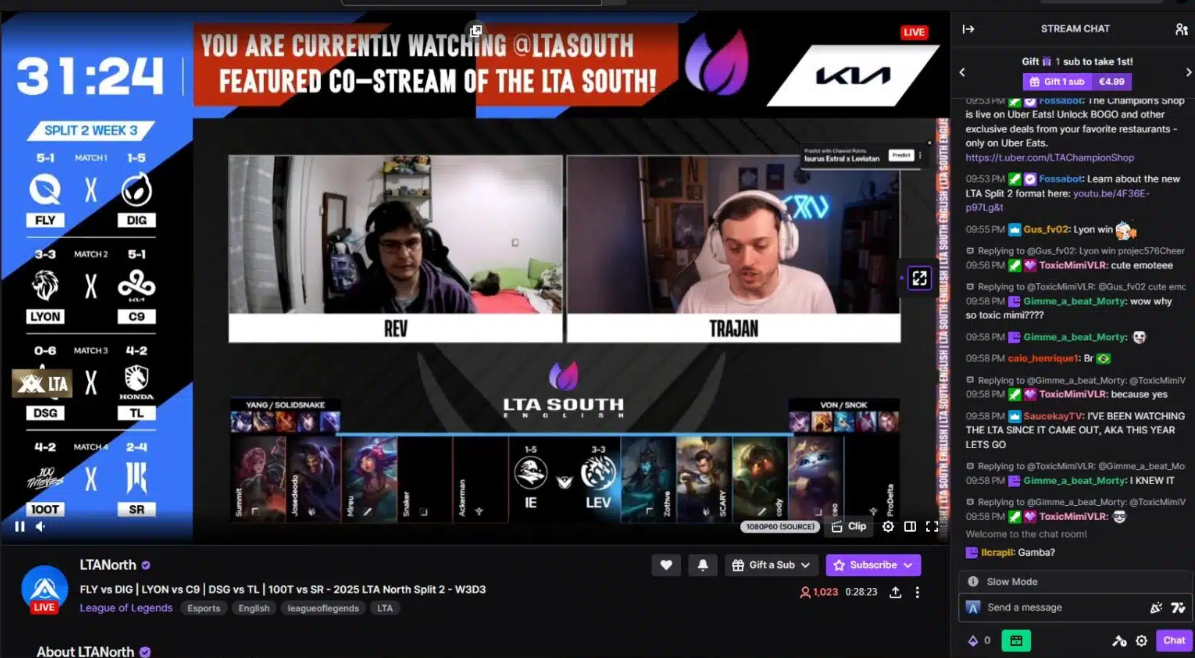
Castor Rev’s Case: A $172 Debt That Leagues.GG Hasn’t Paid for Two Years
Although the organizer claimed to have closed the main accounts after receiving the payment, the devil is in the details. Antonis “Rev” Stepchenko faced a classic case of “ignoring.”
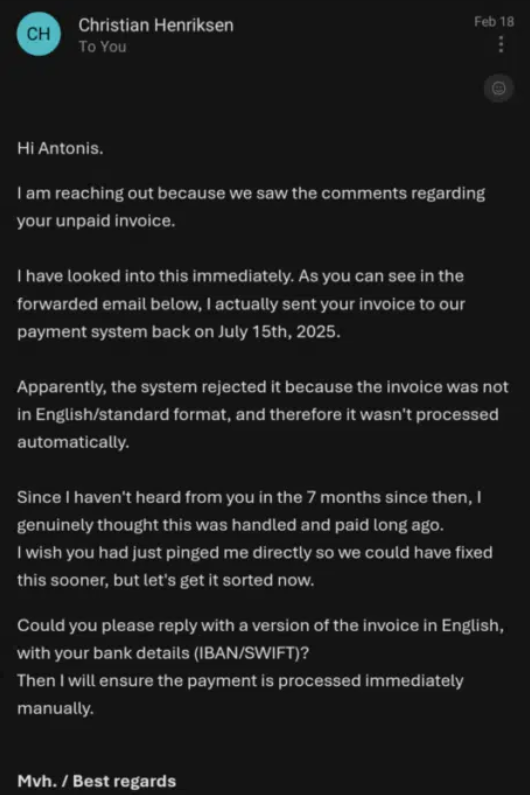
The gist of the conflict:
-
Subject of Dispute: Payment for a guest appearance two years ago.
-
Amount: A paltry $172, from which they managed to withhold taxes despite such a delay.
-
Penalty: Rev requested a symbolic $46 in late compensation.
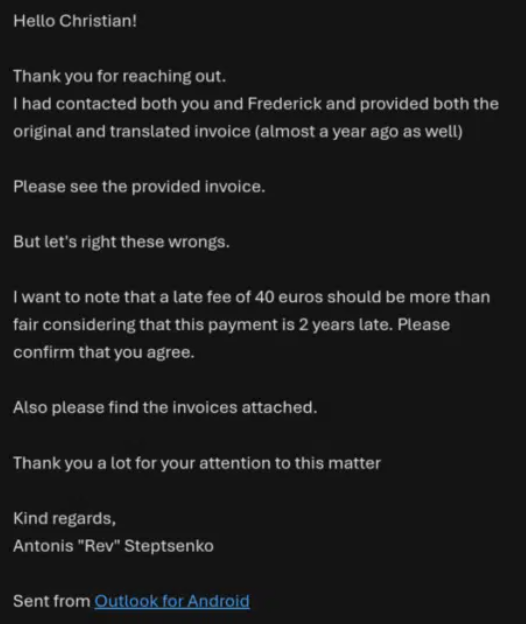
Leagues.gg’s reaction is telling—they simply stopped responding. Esports Insider obtained screenshots of the correspondence, in which management claims they haven’t received any emails from Rev for seven months and considered the matter closed. Rev himself counters: this contact was copied on all his invoice confirmation emails a year ago. After four repeated inquiries about the fine, silence followed.
Why esports organizations don’t pay salaries on time
You can chalk it up to small sums, but the problem is much deeper. This is a symptom of the entire industry: companies systematically “forget” about salaries until it leads to public embarrassment.
-
Reactivity instead of proactivity: Money is only found through Twitter posts (X).
-
Lack of legal protection: Small amounts make lawsuits pointless.
-
Reputational risks: Organizers like NLC are undermining trust in the entire League of Legends ecosystem.
Therefore, we have a dangerous precedent: esports bosses are becoming accustomed to the idea that paying on time is optional. It seems that without strict regulation from publishers like Riot Games, this cycle of debt cannot be stopped. The victims can only hope for the power of reposting. The problem of hushing up debts stems from the specific power dynamics within the industry, where the fear of being left behind reigns supreme. In a niche as narrow as esports, career advancement opportunities are critically limited, and those that do open up are often poorly paid. Players, analysts, and staff fall into the trap of dependence on organizations—they’re simply afraid of losing the slim chance of future work, risking their reputations.
Fear of Losing a Career: Why Talents Keep Debts in Esports Silent
“I dream of a full-time job as an English-language caster, so I decided not to air my dirty laundry in public, even when payments dragged on for two years,” Rev admitted in an interview with Esports Insider.
It’s a classic situation: casters and pro players gain media exposure but become vulnerable. Rev believes Leagues.gg felt safe in literally targeting talent in the hopes that they would be wary of negative press. Clearly, any unnecessary publicity could close the already limited doors to big-time esports.
Debts from NLC to Team Liquid: The Scale of Payment Defaults in Esports
Unfortunately, the NLC case is not an exception, but a diagnosis. The list of complaints against market participants is growing exponentially:
-
FOG Esports and Bleed Esports: the teams are accused of delaying salaries to their rosters for months.
-
Yala Compass: tournament organizers allegedly accumulated millions of dollars in prize money debt.
-
Investment Needle: the scene survives only on sponsors and external infusions, operating at a deep loss.
It is precisely because of the acute liquidity shortage that esports is so easily “sold” to Saudi funds. Even giants like Team Liquid are compromising their conscience and participating in the Esports World Cup—when millions are at stake, moral principles take a back seat.
The Financial Collapse of Esports Leagues: OWL and ESL Impact as Examples
NLC failed to live up to financial expectations. The Overwatch League has failed as a business model. Even ESL Impact has become a heavy financial burden for ESL. Organizations are closing divisions en masse, as most titles are simply not generating profit.
Cash flow is drying up, and opportunities are dwindling. As Rev notes, many broadcasts today rely solely on participant enthusiasm or “disappointingly low” fees. Prize pools are shrinking, team revenues are falling—a vicious cycle. There’s no money at any level of the pyramid.
How to solve the problem of non-payment in esports: real initiatives
Experts debate the causes of the collapse: some blame the excessive niche nature of esports, others poor marketing and the lack of work on player personal brands. Still others point out that free viewing on Twitch is nipping monetization in the bud.
There are few real solutions on the horizon. The only exceptions are isolated initiatives like FlyQuest’s PROJECT: GRASSROOTS or local Smash Bros. tournaments, which Juan “Hungrybox” DeBiedma sponsors out of his own pocket.
“I don’t dream of the moon,” Rev concludes, “I just want to work in the industry full-time and not have panic attacks wondering if I’ll have enough money to pay my rent.” (And that’s perhaps the most honest characterization of modern esports.)