The Kiln team action game from Double Fine Productions and Xbox Game Studios has an exact release date — the release on PC and consoles is scheduled for April 23. The developers confirmed that the project will replenish the Game Pass library on the very first day, and before the full launch, an open beta will be held on Steam: they will test the unusual modeling mechanics from April 9 to 11.
Table of Contents
Kiln 2026: What is it and how the mechanics of pottery work
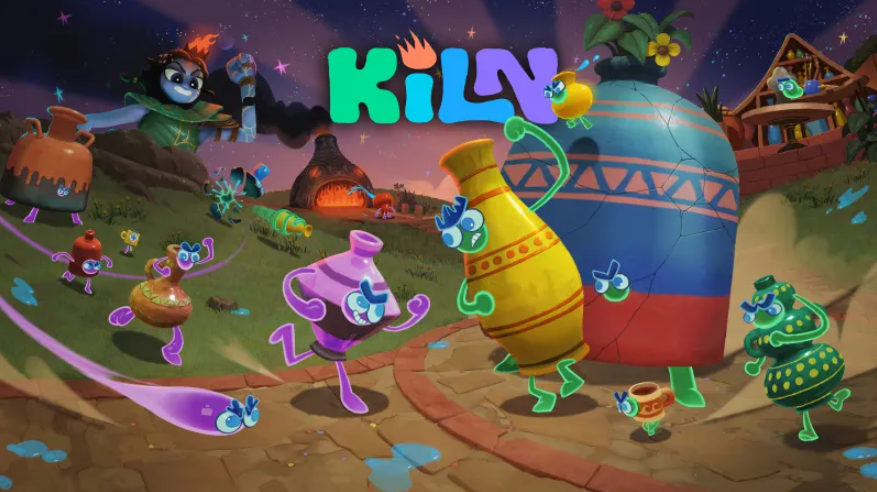
Kiln is not just another clone of heroic shooters, but a rather daring experiment with physics and creativity. Instead of choosing a ready-made character, players sit down at the potter’s wheel: the shape of your fighter directly dictates his movement and tactical capabilities. A massive jug will logically become a “tank”, and a thin, elegant bowl will become a fast but fragile unit.
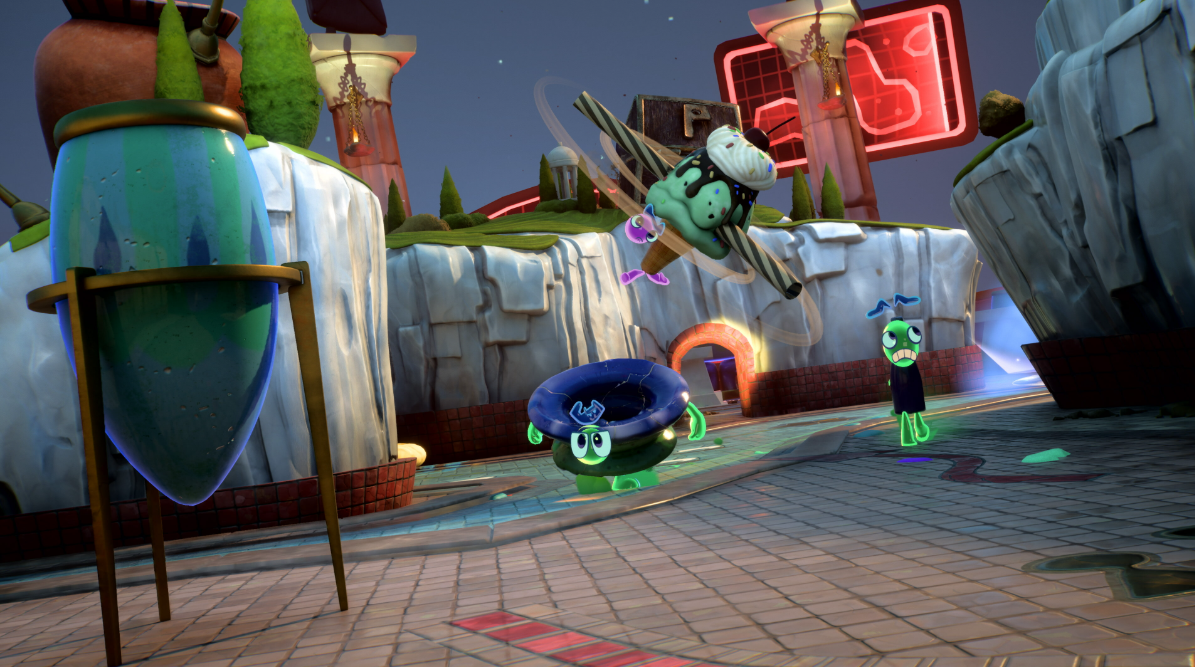
The creation process here is not just a decoration. The game features work with “realistic” clay and a bunch of customization tools. Apparently, Double Fine are true to themselves — the project looks at least original.
Modes, $20 price, and platform list
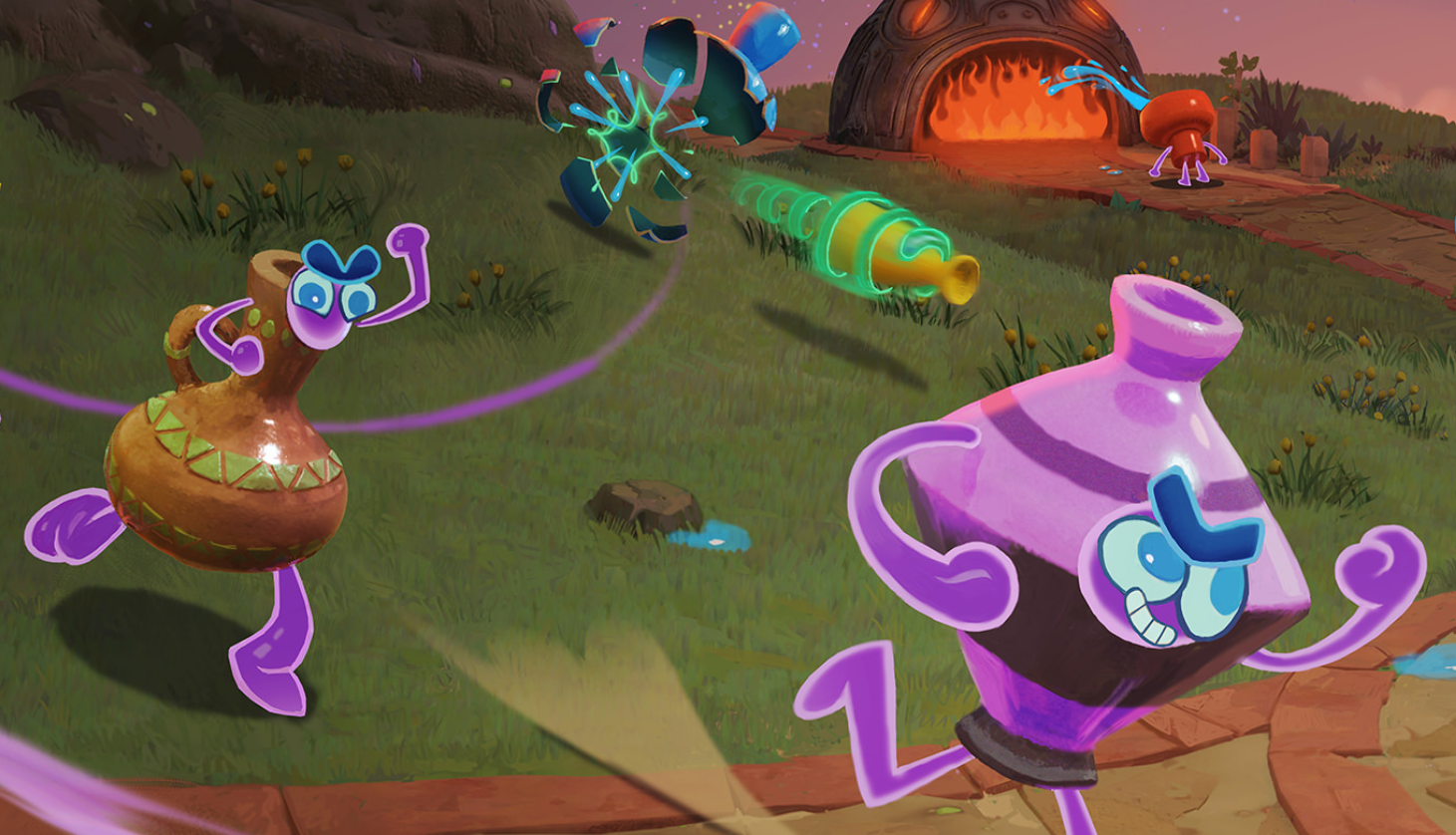
The battles in Kiln are based on teamwork:
-
Main objective: to accumulate water and extinguish the furnace of the opposing team.
-
Combat mechanics: Arenas are gradually filled up with fragments of broken ceramic fighters, which changes the landscape and makes it difficult to maneuver.
-
Hub location: Between matches, the potters travel to the city of Gorshstadt, where they can upgrade their skills, decorate their creations, and show them off to the community.
The game is priced at $20 and will offer a text translation into Russian (which is a nice bonus in the current reality). The list of platforms is exhaustive: Kiln will be released on PC (Steam, Microsoft Store), Xbox Series and PlayStation 5. English localization has also been confirmed.
Kiln Gameplay: Character modeling and combat mechanics
The whole point of Kiln is tied to the unique mechanics of pottery — there is nothing to do in a match without a well-modeled fighter. The process begins at the potter’s wheel: the player takes a blank and literally shapes the silhouette of the future warrior with his fingers. You can narrow the “waist”, build up the mass on the walls, extend the “nose” or arrange thickenings under the armor. The distribution of clay is not cosmetics, but pure mathematics: strength, strength, and even the area affected by attacks depend on the shape.
The appearance of a pot is inextricably linked to its skills. A massive thick-walled “tank” is expected to receive a wagon of health and immunity to stanlock, but pays for it with clumsiness and a weak jump. A tall and slender vase with a thin base is the exact opposite: it accelerates reactively and easily jumps over obstacles, but literally crumbles from a couple of solid hits. By the way, the developers from Double Fine have also tied special techniques to geometry: wide “shoulders” buffer shocks, and elongated structural details increase the impact radius over the area.
Team tactics and mechanics of extinguishing enemy furnaces
In Kiln multiplayer, the gameplay turns into a tactical puzzle game for three or four. The standard setup of the team usually includes a heavy “tank”, a nimble scout and a support — a fragile character who is responsible for controlling the water and zoning the arena. The mechanics of modeling is an eternal experiment. No one bothers to assemble a hybrid form with moderate protection and protrusions for shields, if you don’t like the extremes. The main thing is that the build does not interfere with reading the map and getting out of focus in time.
Destroying enemy furnaces is a complex process, not the banal “I ran and pressed E”. First, the party collects water in tanks, simultaneously fighting off opponents and collecting fragments (they can be used as a mobile shelter). Only then does the assault begin: while some distract the fire on themselves, others break through to the furnace with a supply of water. Judging by the first tests, solo outings are a sure way to quickly turn into a pile of construction debris and replenish the landscape with new debris.
By the way, the destruction system here works on both sides. Defeated fighters change the geometry of the level: they block passages, create barricades and can suddenly save an ally from a flying projectile. There was a case when the team deliberately “smashed” their heavyweight in a narrow opening in order to block the way to the furnace and gain time to refuel. For the industry in 2026, this approach looks extremely fresh — the game forces you to simultaneously monitor both the microcontrol of the form and the macro position.
Kiln 2026 Trailer and Gameplay Videos

The latest video confirms that the studio relies on branded humor and atmosphere. The Kiln trailer focuses on the absurd— lopsided pots, character furnaces, and locations littered with potsherds. Visually, the project resembles a stop-motion animation in a plasticine style, which fits perfectly into the concept of “animated clay”.
In dynamics, everything feels even more energetic. The gameplay footage shows how the tempo changes in seconds: one player puts up a wide shield, but his partner flies into the rear on a “narrow” build. The city of Gorshstadt— a social hub, was highlighted separately, where the camera allows you to see customization, showcases with works by top players and monuments from shards.
If you want to understand how Kiln 2026 is played, look for cuts of real matches. It is noticeable there that it is not only the aim that decides, but also the understanding of the physics of the weight of your workpiece. In recent videos, the authors have also shown the evolution of modeling management — it is clear that the project is being seriously polished for online battles.
Kiln PC system requirements and available platforms
Everything is transparent with accessibility, but it is better to study the systems before the release. To run at a minimum, you will need a modern Ryzen 3 or Core i3 quad-core, 8 GB of RAM and a graphics card no weaker than the GTX 1050 / RX 560 with 4 GB of video memory. This set is enough for 60 frames per second in 1080p on low presets.
Kiln’s recommended system requirements are higher: prepare 16 GB of RAM, a Ryzen 5/Core i5 processor, and a GTX 1660 GPU. This configuration will allow you to include high-quality particles and shadows so that water and debris do not turn into soap. On the PS5 and Xbox Series, performance will match the “high” settings on the PC, with an emphasis on a stable framerate.
There should be no problems with optimization: the game is not overloaded with rattracing, the main focus is on the physics engine and network code. Thanks to this, even medium iron can handle kneading without friezes. Plus, the developers promise flexible settings so that you can adjust the details of the environment for yourself, while maintaining the readability of the image.
Kiln Open Beta on Steam: how to get access
Beta dates and terms of participation
The Kiln beta test will be on Steam from April 9th to 11th — there’s not much time, so it’s worth getting ready. To try out modeling in practice, follow the instructions:
-
Log in to your main Steam account.
-
Find the Kiln page through the store search.
-
Click “Request access” in the testing block (or click on the corresponding banner).
-
Confirm the request and wait for the game to appear in the library.
-
Download the client in advance so as not to waste time on the launch day.
-
Between April 9th and 11th, just launch Kiln beta.
Participation is free and does not require pre-orders. This is a great chance to test how it feels to control a potter’s wheel on a mouse or gamepad. Plus, it is on beta that the first meta-builds will be formed, which will capture ranked matches after the release.
Multiplayer and cross-play: Modes and Hubertadt

Account progression and character customization
The basis of multiplayer is 3×3 or 4×4 fast sessions. The main mode is a mix of shooter and capture points where you need to fill other people’s furnaces and collect water. For those who want to relax, there are custom rooms and training rooms where you can spend hours picking the shape of a pot without looking at the rating.
Kiln’s cross-play is fully operational: PC, Xbox Series, and PS5 owners play together. If desired, you can set a filter by platform in the settings. All account progress — skins, stickers, favorite presets — is linked to your profile and synced between devices.
The city of Gorshstadt is the heart of the game. Here we collect the awards, upgrade the passives and buy new decor. The progression system is standard: experience for wins and bonuses for teamwork (for example, for successfully covering an ally). In terms of customization, Kiln lets you run wild — glazes, patterns, and even personal signatures on the bottom allow you to create a unique art object.
Kiln price and Game Pass bonuses on the day of release
The cost of Kiln will be about $ 20, which is an adequate price for such an experiment. There is one edition in stores, and cosmetics are paid for early purchase: a set of unique glazes and stickers for personalization.
The main bonus for many is that Kiln gets into the Game Pass on the very first day. PC and Xbox subscribers do not need to buy the game, which will provide the project with a powerful online experience from the start. Even in the Microsoft version, you can purchase additional DLC with decorations if you want to support the studio.
Steam and Microsoft Store: purchase without subscription
For supporters of the classics, Steam and the Microsoft Store remain: once you buy it, the project is yours forever with all the patches. Considering Double Fine’s plans for seasonal events, the purchase looks like a worthwhile investment of time and money.