

There are visual novels that you read like a book — calmly, with a cup of tea, clicking “Next” from time to time. And there are those who are literally dragged into a whirlpool of suspicion, fear and obsessive thoughts. Raging Loop belongs to the second category. This is not just an interactive election story, it is a psychological experiment on the player disguised as a mystical thriller about the “mafia” in a Japanese village cut off from the world.
When I launched the game on PC, I expected a high-quality, but rather traditional visual novel with detective elements. As a result, I got a story that gradually breaks the usual structure of the genre, plays with timeloop, makes me analyze every line and — more importantly — constantly doubt my own conclusions.
This game is not for those who want to “get through the story quickly.” This is a game for those who are ready to live through several deaths, dozens of repetitive cycles and slowly, step by step, uncover the hidden truth.
Table of Contents
Raging Loop Free Steam Account
Raging Loop is a dark, intelligent, and sometimes violent visual novel that uses time—loop mechanics to transform the classic werewolf game into a complex philosophical story about fate, faith, and freedom of choice.
If you like slow, atmospheric stories with strong psychological tension and unexpected plot twists, you will get a powerful experience. If you are waiting for dynamics and constant action, the game may seem long.
Plot of Raging Loop — Yasomori village, a game of werewolves and a deadly time loop

The story begins almost casually. The main character, Haruaki Fusaishi, escapes from the city after personal problems and accidentally finds himself in the isolated village of Yasomori. It looks like a quiet, almost forgotten place. But already in the first hours it becomes clear: ancient rules apply here, and residents live by laws that are not explained to outsiders.
The game doesn’t immediately throw you into chaos. She carefully heightens anxiety — through the glances of the characters, through strange hints, through the feeling that you are in a place where you were not expected.
The plot of the story and the rules of the “Feast in the Yellow Mist”
When a mysterious yellow fog descends over the village, the “Feast” begins — a ritual game reminiscent of the classic “mafia” or “Werewolf”. There are “wolves” hiding among the residents who kill people at night. In the afternoon, the village gathers to vote to execute the suspect.
The rules are simple. The stakes are absolute.
Each character gets a hidden role. Someone is a wolf, someone is a seer, someone is a protector. But unlike a board game, everything is real here. A mistake in logic is death. Excessive suspicion is death. Too much faith can also end in death.
Raging Loop is gradually turning familiar mechanics into something sinister. This is not a game for entertainment — it is a religious and cult ritual rooted in ancient traditions.
How does the recurring time line system work
The hero’s first death is a shock. The second is anxiety. The third is the realization that this is not the end.
Haruaki suddenly realizes that after his death, he returns to a certain point in time, retaining memories of the previous cycle. This is how the main storytelling tool, the timeloop, begins.
Unlike many works with time loops, the repetitions here don’t feel empty. Each cycle opens up new information, changes the relationship with the characters, and allows you to build dialogues in a different way. The player doesn’t just read alternate branches — he literally collects fragments of truth from different timelines.
And it is at this point that Raging Loop begins to transcend the genre.
Why wait? Your free steam account is available now!
Raging Loop Story Explained — analysis of the plot and hidden meaning
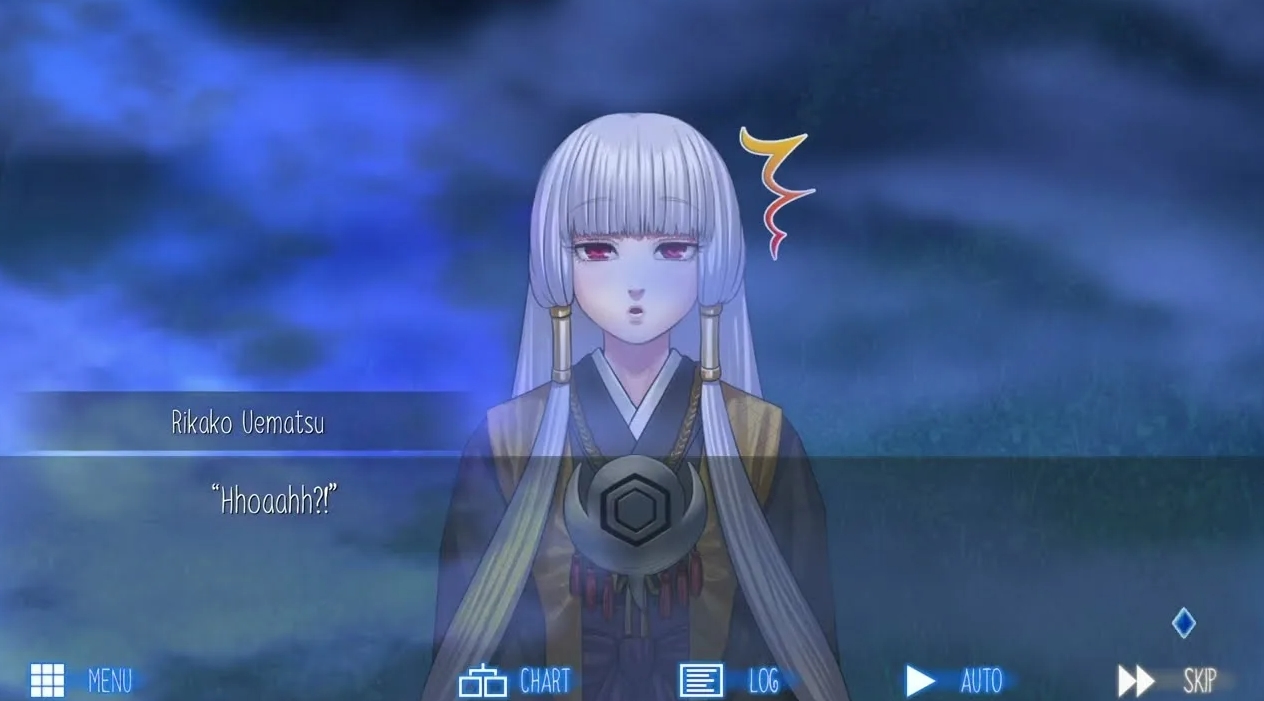
It’s difficult to talk about the depth of the story without spoilers, but even a cursory analysis shows: It’s not just a survival thriller. This is a reflection on the nature of faith, collective hysteria, and the power of myths.
With each cycle, the game blurs the line between mysticism and rationality more and more. Do wolves really exist? Or is it a social control mechanism? Why is the ritual repeated? And who actually controls the game?
Why does the hero remember past cycles
At a certain stage, it becomes clear: Haruaki’s ability to remember past deaths is not an accident or just a plot device. It’s part of the system. The game gradually leads to the realization that the Yasomori world itself is a closed structure where the role of each person is predetermined.
The hero’s memory becomes a tool for destroying this structure. He’s a glitch in the system. A mistake that the ritual cannot completely erase.
And here Raging Loop makes a strong move: it does not just explain the mechanics of the timeloop, but weaves it into the philosophy of the world. Repetition is not a punishment, but a path to awareness.
Explanation of the True Ending
The true ending reveals the hidden background of what is happening. Without direct spoilers, we can say that the game shifts the focus from “who is the wolf” to “why does this cycle exist at all”.
The finale is not about defeating monsters. It’s about destroying the system of faith, about freeing oneself from imposed roles, and about taking responsibility for choices.
This is not the type of ending that elicits a firework display of events. It’s a quiet but powerful ending that makes you look back all the way and realize that the story has always been deeper than it seemed.
Raging Loop characters — roles, motives, and psychological pressure
One of the game’s strengths is the characters. They don’t look like template archetypes. Yes, at the start, many seem typical: a strict priestess, a suspicious headman, a silent observer. But as you progress, everyone reveals an unexpected side.
Gradually, you begin to notice how the fear and pressure of the ritual change people. Someone is getting aggressive. Someone goes into denial. Some blindly follow traditions, even if they lead to death.
The main participants of the game and their hidden sides
Raging Loop is particularly good at showing how a role affects a person. When a character learns his “position” in the game, he begins to act differently.
This is one of the rare cases when a visual novel shows the transformation of a character through a social context. There are no purely “evil” or “kind” people here. There are people who are put in a situation where any decision can cost their lives.
And it is precisely because of this that the accusations at the daytime meetings sound especially intense. You don’t just choose an answer, you decide the fate of a person you’ve already understood.
Raging Loop gameplay — selection mechanics, routes and unlocking the truth
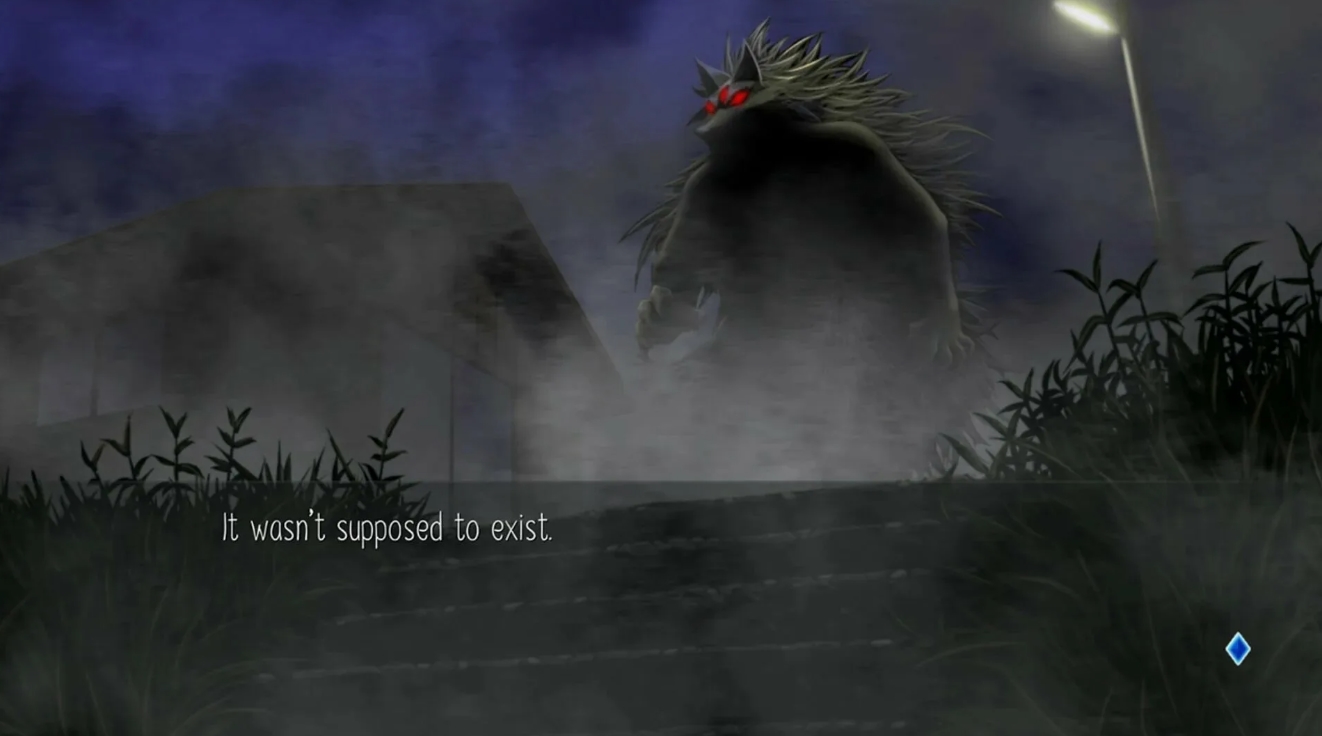
From the point of view of mechanics, Raging Loop remains true to the genre: it includes text, illustrations, music and periodic selections. But the most important feature is the route system.
The game does not allow you to get the full picture right away. Some branches are deliberately cut off. To move forward, you need to go through alternative scenarios, collect information, and unlock special “keys” that will then unlock new pieces of the story.
From a practical point of view, the gameplay is based on three elements:
-
analysis of dialogues and hidden hints;
-
conscious choice of phrases at critical moments;
-
re-passing taking into account the information received.
This makes the process not a passive reading, but an active investigation.
The branching system and getting all the endings
It is impossible to get the true ending if you go “at random”. The game requires a complete passage of key branches.
At the same time, the system is convenient: after the first cycle, it becomes possible to quickly navigate through already read fragments, which saves dozens of hours.
It is important to understand that Raging Loop is not a one—night stand novel. It’s a game that needs to be studied.
Atmosphere, music and visual style — how the game creates tension
Visually, the game is not technologically impressive, but the style is perfectly maintained. The illustrations of the characters are expressive, and the background images of the village create a sense of isolation and isolation from the outside world.
The musical accompaniment works subtly. Instead of intrusive themes, there are restrained, disturbing melodies. During the voting process, the music is almost invisible, but it creates internal pressure.
The game uses pauses especially well. Silence after an accusation can sometimes be stronger than any scream.
All the endings of the Raging Loop — how many are there and how to get the True Ending
The game has several alternative and bad endings that reflect different scenarios for the development of the “Feast”. Some of them end abruptly, leaving a feeling of incompleteness. Others provide fragments of information necessary to advance towards the truth.
Bad and alternative endings
Alternative endings can be roughly divided into:
-
premature deaths of the hero;
-
false victories;
-
branches where the truth remains hidden.
Each of them is not just a “game-over”, but part of the overall picture.
What does the ending of the story mean
True Ending combines all the fragments into a single picture. This is the logical conclusion of multiple cycles and a gradual realization of the structure of the world. The finale leaves room for interpretation, but at the same time provides clear answers to key questions.
Pros and cons of Raging Loop — objective analysis
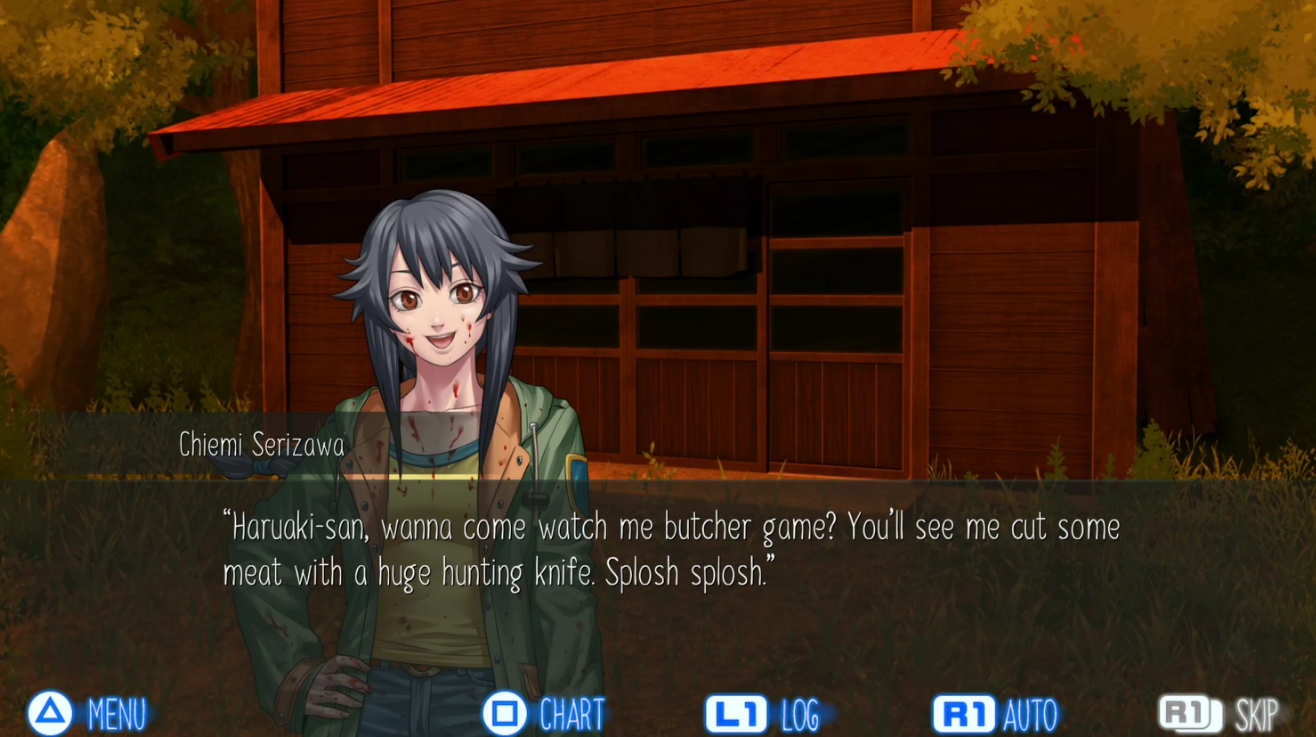
Strengths:
-
deep, multi-layered plot;
-
thoughtful timeloop system;
-
strong atmosphere of psychological pressure;
-
characters that evolve over the course of the story.
Weaknesses:
-
slow pace in the first third of the game;
-
a lot of text without visual variety;
-
the need to go through alternative branches to fully understand.
How long does the Raging Loop take and who is suitable for the game
The average passage of the main branch takes about 25-30 hours. Full disclosure of all endings and routes can take 40+ hours.
Raging Loop is suitable for those who:
-
likes psychological thrillers;
-
appreciates the complex structure of the narrative;
-
is ready to read and analyze carefully.
This is a game for thoughtful players, not for those who are looking for quick emotions.
Bottom line — why is Raging Loop considered one of the best psychological visual novels
Raging Loop is a rare example of a visual novel that uses genre cliches as a tool to destroy them. It begins as a mystical story about “wolves” in a village, but gradually turns into a philosophical parable about freedom, faith, and a person’s ability to transcend imposed roles.
It’s not a perfect game. It takes time, patience and attention. But if you give it a chance, it responds with one of the most thoughtful and emotionally powerful plots in the genre.
And that’s why Raging Loop is still being discussed as one of the best psychological visual novels of its generation.
Raging Loop System Requirements for PC
Raging Loop
How to play Raging Loop for free on Steam via VpeSports
There is a special mood when you do not want a dynamic action, but a story that slowly drags on and does not let go even after the screen is turned off. Raging Loop is just such a case. This is not just a visual novel, but a tense psychological maze where you step by step make your way through fear, distrust and other people’s secrets.
Imagine: a mountain village, cut off from the outside world, thick fog and a strange feeling that the locals know more than they say. It all starts out calmly, almost matter—of-factly, but very quickly the familiar reality collapses. An ancient ritual is being launched, reminiscent of a violent version of the “mafia,” and every resident may turn out to be an enemy. The most disturbing thing is that you are not just an observer. Together with the main character, you get stuck in a time loop, reliving the same events over and over again, trying to find the very thread that will lead to salvation.

And therein lies the magic of the game. You start reading between the lines, listening to the semitones, noticing the small details in the lines. Who is too calm? Who says a little more than they need to? And who shouldn’t be trusted at all? Gradually, decisions stop being “game—like” – they become personal. If you make a mistake, you go back to the beginning again. But already a little wiser.
If you’ve been wanting to try this story yourself for a long time, we’ve tried to remove all unnecessary things between you and the game. You register on the website, log in to your profile, go back to the top of the page and click GET AN ACCOUNT. Then everything is intuitive and without complicated settings — a few steps, and you can start diving.
In order not to miss new giveaways, updates and important news, check out our Telegram channel. Accounts and patches are not just published there, but people who are already arguing about theories, sharing their impressions and trying to solve the mystery of the village communicate there. If you have any questions, you can open the “How to Play for Free — Complete Guide” section or write to the chat. We really try to respond quickly and to the point, because we understand how important it is not to lose the mood when the story is already starting to drag on.