

Tale of Immortal is one of those games that doesn’t try to impress you in the first ten minutes — and that’s very intentional. It doesn’t open with a cinematic, doesn’t frame you as a hero, and doesn’t explain why you matter. Instead, it quietly drops you into a harsh mythological world and says, more or less: figure it out.
At first, it feels almost cold. The interface is functional, the visuals restrained, and the pacing slow. But after a few hours, something clicks. You stop looking for the “main quest.” You stop expecting the world to wait for you. And once that expectation disappears, Tale of Immortal starts to feel unusually alive.
Table of Contents
Tale of Immortal Free Steam Account
This is a cultivation sandbox inspired by Chinese xianxia mythology, but you don’t need deep genre knowledge to appreciate it. What matters more is the mindset. This game isn’t about conquering the world — it’s about surviving long enough to understand it. Power is something you build patiently, often quietly, and sometimes painfully.
What makes the experience feel personal is how often the game lets you fail without dramatizing it. No epic music. No slow-motion defeat screen. You just… misjudged a situation. Or rushed a breakthrough. Or trusted the wrong person. And now you live with it.
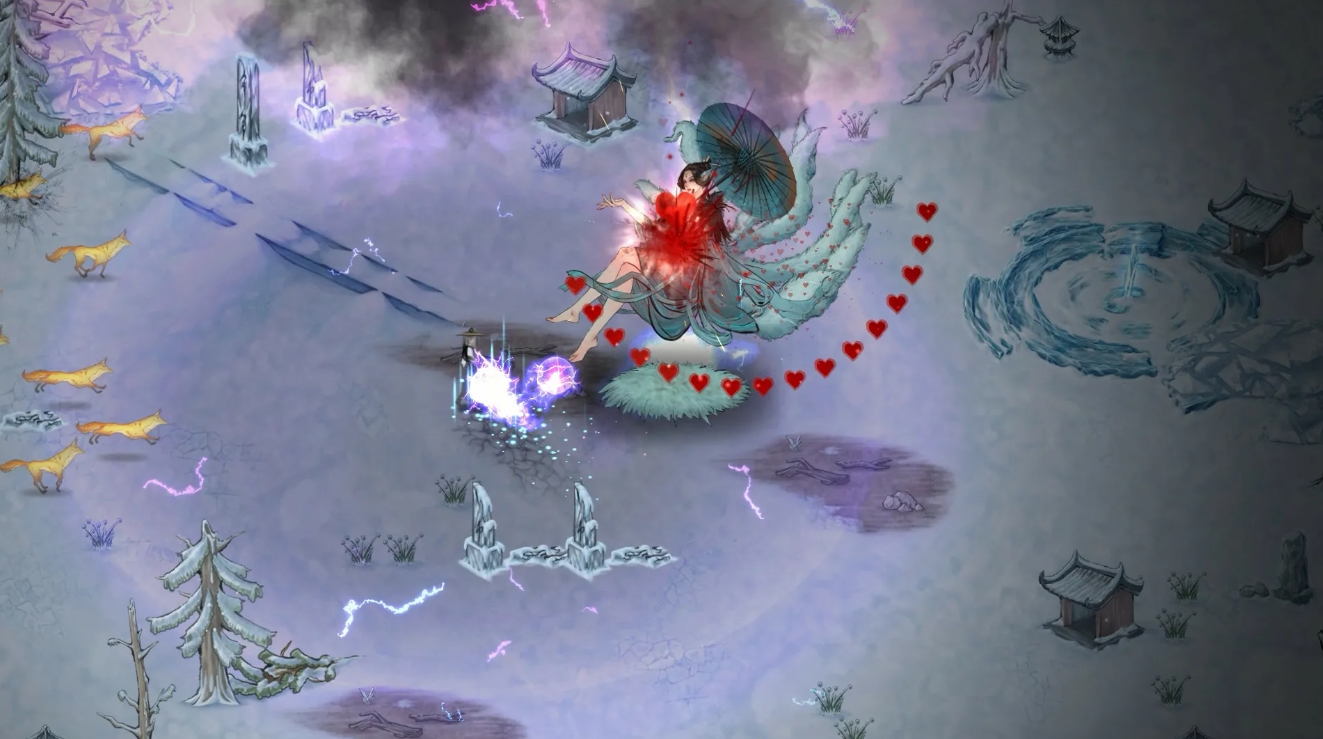
Cultivation and Immortality System
Cultivation in Tale of Immortal isn’t a progression bar you fill — it’s a long-term relationship with risk. Every stage of growth asks a question: are you actually ready for this, or are you just impatient?
Advancing your character means paying attention to dozens of small factors. Your talents, your spiritual roots, the manuals you study, the environment you choose, even your recent actions — all of it feeds into whether a breakthrough succeeds or collapses.
There were moments where I spent hours preparing for a single advancement attempt, only to fail because I ignored one minor warning sign. It’s frustrating in the moment, but later it feels fair. The game doesn’t punish you arbitrarily — it punishes carelessness.
Key aspects that shape cultivation feel especially human:
-
Strength is contextual, not absolute
-
Shortcuts almost always come with consequences
-
Preparation matters more than raw stats
-
Failure is treated as part of growth, not a reset
That slow, sometimes uncomfortable pace is what gives success real emotional weight.
Say goodbye to demos – go full with a free steam account with games.
The Sandbox World and Its Rules
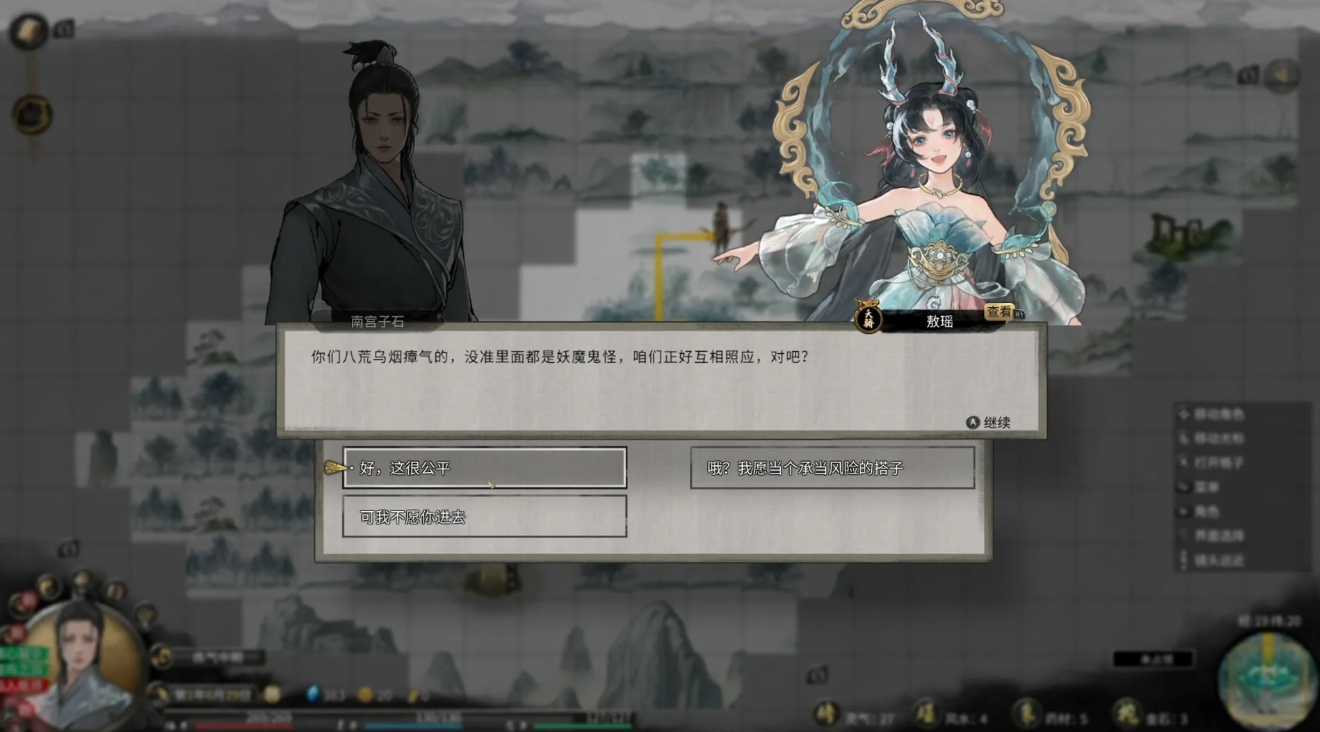
The world of Tale of Immortal doesn’t feel handcrafted in the traditional RPG sense. Instead, it feels governed. Like a system that existed before you arrived and will continue long after you’re gone.
Regions have their own dangers, power structures, and rhythms. You might wander into an area that looks manageable on the map, only to realize too late that everyone there is far beyond your current abilities. The game doesn’t warn you loudly — it assumes you’ll learn to read the signs.
Over time, you start to sense patterns. Which regions are volatile. Where sects are gaining influence. Which areas quietly breed monsters that you should absolutely avoid — for now.
This kind of design creates tension without spectacle. You’re always slightly uneasy, even during routine exploration, because the world does not exist for your comfort.
NPC Behavior and Procedural Events
NPCs are one of the most quietly impressive parts of Tale of Immortal. They’re not just names with dialogue boxes — they have trajectories. You meet them at one stage of life and encounter them again much later, sometimes changed in ways you didn’t expect.
I’ve seen minor characters grow into terrifying cultivators while others disappeared entirely, presumably killed off by events I never witnessed. And that uncertainty gives interactions weight. Helping someone isn’t just a checkbox — it’s a gamble.
What makes NPCs feel convincing is how little they revolve around you:
-
Relationships evolve even without your involvement
-
Conflicts resolve themselves if ignored
-
Power disparities are respected, not softened
-
Moral alignment affects long-term outcomes
Sometimes you intervene and change everything. Sometimes you arrive too late. Both outcomes feel honest.
Progression, Risk, and Death
Death in Tale of Immortal isn’t dramatic — and that’s exactly why it works. When a character dies, it rarely feels like a failure of reflexes. It feels like a failure of judgment.
Progression is slow, uneven, and often uncomfortable. There are stretches where nothing exciting happens — just preparation, gathering, and cautious planning. Then suddenly, everything changes because you made one bold (or foolish) decision.
That rhythm creates tension you don’t notice until it’s gone.
Cultivation Stages and Grinding
Grinding exists, but it rarely feels pointless. You’re not farming numbers; you’re stabilizing future success. Every repetitive action has a reason tied to survival or advancement.
Typical preparation cycles involve:
-
Gathering specific materials tied to risky regions
-
Waiting for favorable internal or external conditions
-
Accepting long plateaus in power growth
-
Choosing patience over ambition
If you enjoy constant rewards, this will feel slow. If you enjoy earning progress, it becomes deeply satisfying.
Combat and Mythical Creatures
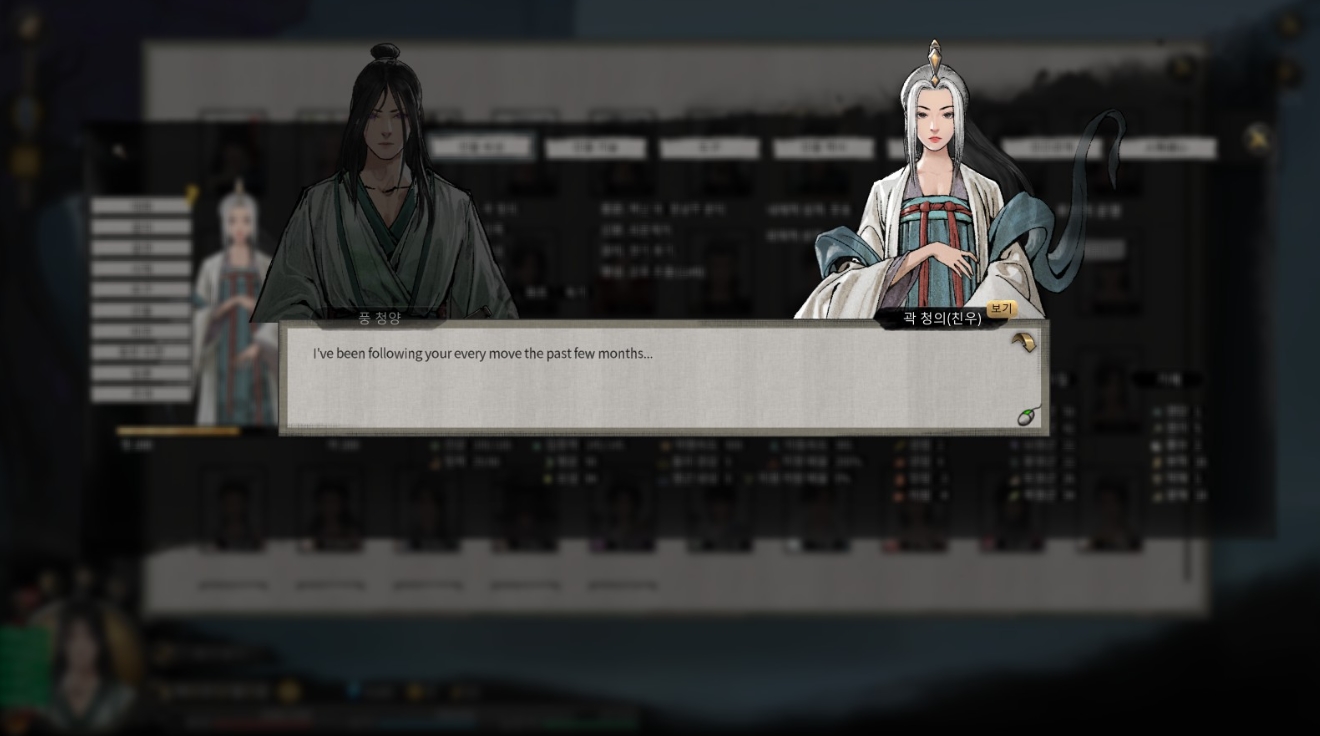
Combat in Tale of Immortal is fast, lethal, and surprisingly honest. You usually know why you lost — you were outmatched, poorly prepared, or careless.
There’s no power fantasy here, at least not early on. Enemies hit hard. Elite creatures feel genuinely dangerous. Running away is often the smartest decision you can make.
Over time, combat becomes less about reflexes and more about expression. Your build reflects your philosophy as a cultivator — cautious, aggressive, experimental, or reckless.
Action RPG Foundations
The core mechanics are familiar, but the surrounding systems give them meaning:
-
Techniques define your identity in combat
-
Mythical creatures test preparation, not reaction time
-
Build synergy matters more than raw damage
-
Survival is a valid victory condition
Winning a tough fight doesn’t feel flashy — it feels relieving. And that relief sticks with you.
Tale of Immortal on Steam
On Steam, Tale of Immortal sits in an interesting middle ground. It’s clearly loved, but rarely praised casually. Most positive reviews come from players who invested serious time and learned to respect its pace.
Updates tend to deepen existing systems rather than simplify them. The developers seem comfortable letting the game remain demanding — a choice that won’t appeal to everyone, but gives it a strong identity.
Reviews, Updates, and Mods
Community feedback often follows the same pattern: confusion, frustration, then appreciation. Mods mostly focus on quality-of-life tweaks rather than turning the game into something it isn’t, which says a lot about how complete the core vision feels.
Final Verdict and Similar Games
Tale of Immortal is not a game you casually dip into. It asks for attention, patience, and a willingness to accept mistakes. But if you give it that time, it offers something rare: a world that doesn’t perform for you, doesn’t flatter you, and doesn’t bend to your expectations.
It’s a game about learning restraint, reading situations, and knowing when not to act. And for players who enjoy systems-driven worlds with real consequences, that restraint is exactly what makes it memorable.
This isn’t a game for everyone — but for the right player, it quietly becomes unforgettable.
Tale of Immortal System Requirements for PC
Tale of Immortal
| Component | Minimum Specification |
|---|---|
| Operating System | Windows 7 / Windows 8 / Windows 10 (64-bit) |
| CPU | Dual-core processor running at 2.5 GHz |
| RAM | 4 GB system memory |
| Graphics Card | Integrated or dedicated GPU comparable to Intel HD Graphics 4400 |
| DirectX | DirectX 11 compatible |
| Storage Space | 25 GB available disk space |
How to play Tale of Immortal for free on Steam via VpeSports
Sometimes you don’t just want to “launch the game”, but to live a separate life in it — with your mistakes, chance encounters and moments that you later remember as personal experiences. Tale of Immortal is just about that. Here you start as nobody, without a big name and a great purpose, and slowly make your way in the world of Eastern mythology, where spirits interfere in people’s destinies, sects plot, and power is never given for nothing. The game does not rush or lead by the hand: it watches your decisions and responds to them, making each passage different from the previous one. A nice bonus is that you can enter this world for free.
We know how easy it is to lose interest when, instead of playing, you are greeted by instructions, settings, and unnecessary steps. Therefore, everything is kept to a minimum. You register on our website, log into your profile, and click GET AN ACCOUNT at the beginning of the article. After that, all that remains is to follow the simple prompts and start the game. No fuss — everything is done so that you get to where it’s really interesting faster.
And if you want to be “on topic” and not miss important updates, we have a Telegram channel. There we share new accounts, talk about patches, discuss mechanics and just communicate without pathos and unnecessary formality. If something doesn’t work or you have questions during the game, you can always take a look at the detailed guide or write to the chat. We do not disappear after the first click and are always ready to help, so that your path to immortality is not only difficult, but also truly alive.