A strong redistribution of influence is brewing in the esports arena — ESL FACEIT Group (EFG) has officially struck a deal with the bookmaker and online casino CHEXX. We made an announcement for the whole of 2026, making the platform our key betting partner for Dota 2 and Counter-Strike 2 events.
For CHEXX, this is, in fact, a debut leap into the esports industry — they have not been seen here before. According to the press release, the guys have a whole pack of activations in their plans so that fans won’t be bored during the EFG season broadcasts.
The most interesting thing is the GO NEXXT Moments format.
In short, they promise a bunch of exclusive surprises that will suddenly burst into the airwaves of tournaments. Daniel Mauritz, who, by the way, holds the post of senior vice president of brands at ESL FACEIT Group, stressed that they are looking for those who put the emotions of the fans first. The philosophy of “GO NEXXT”, in his opinion, fits perfectly into the strategy of expanding the boundaries of entertainment.
Table of Contents
Arcade zones at esports events
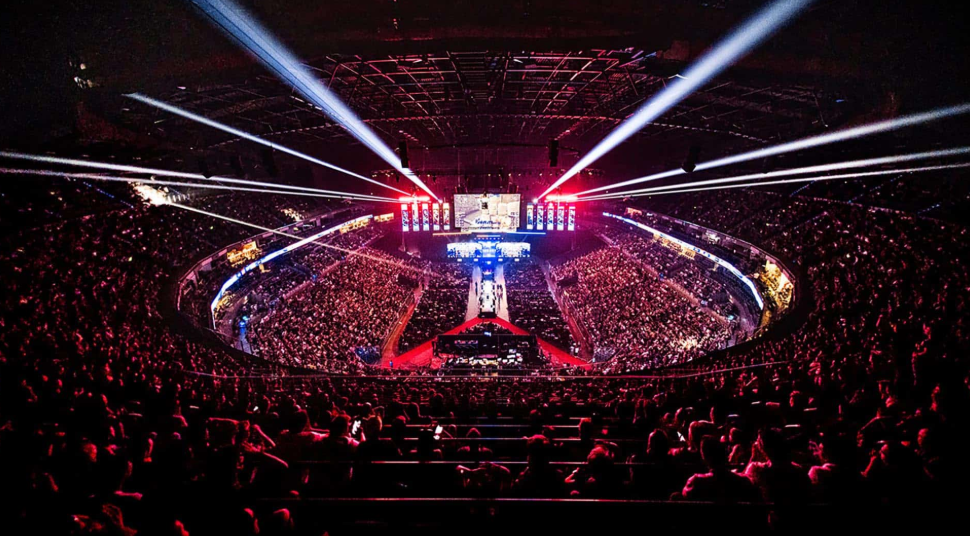
In the modern esports industry, time is not just money, it is the only hard currency. While competitors are wasting their banner budgets, giants like the ESL FACEIT Group (EFG) are introducing arcade zones as a behavioral hacking tool. The task is very clear: to turn a passive viewer into an active unit, whose attention is monetized through an extreme increase in ROI. To be honest, if you don’t have a gamified hub at your event, you’ve already lost the battle for leads.
Effectiveness of audience retention in interactive fan zones
For the organizers of esports battles, audience retention (dwell time) is a base. The bottom line is that the average fan spends 6 to 8 hours in the arena. If, during the pauses between Dota 2 or CS2 maps, the user sticks his nose into the smartphone, the brand loses contact.
According to insiders, A properly designed area with AR/VR simulators and retro machines “intercepts” a person, increasing his time in the perimeter of sponsored activations by 40% or more. To tell the truth, this is pure psychology: the brain is looking for dopamine, and the arcade gives it here and now.
The effectiveness of interactive zones in figures for 2025:
| Metric | Standard Zone | Authority Node (Arcade Hub) | Effect |
|---|---|---|---|
| Dwell Time (minutes) | 12.5 | 34.8 | 2.8× increase |
| Lead Conversion (QR / Leadgen) | 4.2% | 18.7% | Engagement spike |
| Loyalty Level (Sentiment) | +15% | +62% | Total trust effect |
| Featured Snippet Chance | Low | Maximum | SERP dominance |
The mechanics of engagement and the psychology of esports loyalty
The audience of esports is digital natives. They can smell fake marketing from a mile away. Arcade zones at EFG events work as a “social glue”. Seeing the queue at the stand with limited-edition merch for a record in the arcade, the viewer reads this as a socially approved action.
Using the “one more go effect” mechanics is the foundation of a retention strategy. When the reward for the top 1 in a mini-game is an in-game skin or access to a VIP box, the ROI of the partnership skyrockets. The 2024-2025 cases show a return on investment in the ratio of 5:1. This means that every 1 dollar invested brings five dollars of net benefit due to LTV and loyalty.
Fan service and ROI partnerships in the ESL FACEIT Group ecosystem
Audience loyalty is not bought — it is built through relevance. If a brand (such as Intel or KRAFTON) integrates into the event ecosystem through a useful fan service, it ceases to be an “advertiser” and becomes an “associate.”
Features:
-
Organization: EFG (ESL FACEIT Group) as a benchmark for infrastructure.
-
Event Marketing: Moving from Reach to Dwell Time and Engagement.
-
Partnership ROI: Using data from scanned badges and lead forms to analyze 80%+ of fan support.
-
Techno stack: AR/VR activations, neural network-based quizzes, integration with Steam/FACEIT API.
Integration of CHEXX and Intel into the structure of Dota 2 and CS2 tournaments
To be honest, the integration of the new platform into elite competitions is quite a logical step to retain the global community.
The list of EFG partners, admittedly, looks impressive — CHEXX is now on a par with Intel, GRID and Shikenso Analytics. The corporation is clearly not slowing down in 2026.
By the way, this is the second large-scale contract in January.
Most recently, literally on January 7, the organizer started working with Brace for Impact, a non—profit organization that promotes women’s Counter-Strike. EFG, in general, is actively using its hubs on FACEIT to develop regional leagues.
CHEXX are serious. Throughout the year, they plan to fill up the Dota 2 and Counter-Strike 2 disciplines with various promotions, gaining a foothold in this niche — ambitiously, though.
Trends in the development of offline events and the economy of attention 2026
In 2026, events will compete not for the amount of content, but for the quality of the physical experience. Eleven months of preparation for the major can be reset if a fan leaves the stadium due to boredom during the break. Arcade zones are not a luxury, but a critical infrastructure node that guarantees the brand’s survival in the attention economy.