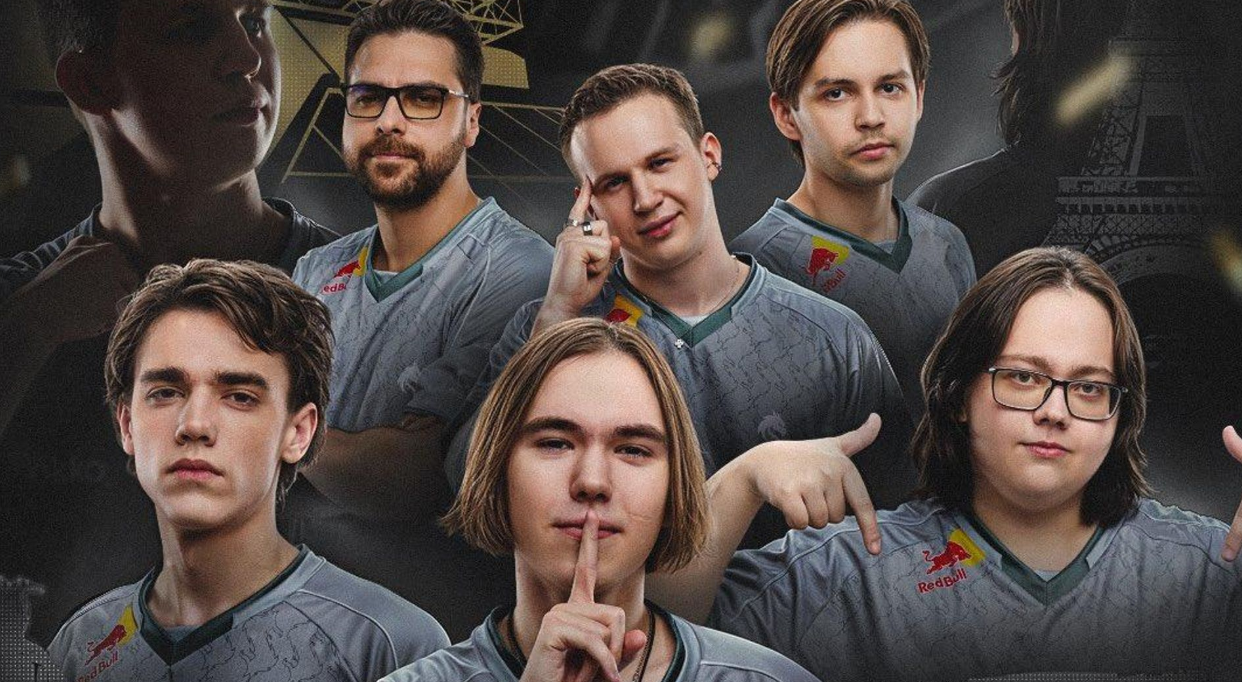
French esports shuddered as the top 3DMAX organization found itself in the epicenter of a grandiose financial thriller. It turned out, by the way, that the club had lost an amount that was close to the seven-figure mark.
Table of Contents
The 3DMAX Financial Scandal and embezzlement scheme
The organization’s CEO, Stephane Pons, broke his silence the other day in a conversation with Lasource.gg — and his words sound like a script for Netflix. It turns out that shortly before Pons took office, a certain former partner of the club pulled off a large-scale fraud. This, in fact, dealt the organization a huge structural and, logically, monetary blow.
Stefan Pons, using his serious background in finance, noticed the abnormal movements of funds inside the system in time — the accounts were frozen in order to somehow stop the disaster. The names and exact figures are still in the shadows due to legal subtleties, but the scale of the disaster is already clear to everyone.
Loss of 3DMAX Revenue from Major and CS2 Stickers
The situation looks in a bad way — 3DMAX has lost absolutely all the revenue of the trains. This “blacklist” of losses includes prize money from tournaments, and, most painfully, money from the sale of Major stickers in Counter-Strike. Let me remind you that Valve gives 50% of the profits from the capsules to the participants of the event, and for many clubs this is, in fact, the main source of life.
CS2 financial model sticker revenue and sponsors
CS2 sticker money is not just a nice bonus for fans and teams. For many clubs, this is the supporting structure of the entire economy. Getting to the Major means a share in digital sticker sales, and it is these receipts that cover the real costs: player salaries, training fees, flights, base rentals. For organizations of the second and third echelon, such income often turns out to be the main one — the one that decides whether the club will survive to the next season. In short, CS2’s entire financial structure is based on fan loyalty and in-game item sales. And the audience’s trust here is as much an asset as the prize pool.
When schemes involving the theft of sticker income come up, it’s not about a local problem of one manager or club. The entire ecosystem is under attack. Such stories undermine the transparency of cash flows and destroy the foundation on which sponsorship in esports rests. Brands are entering this market not only for the sake of reach and viewership figures — they are looking for predictability. The confidence that their budget will actually reach the team, and not settle somewhere in muddy chains.

The chain reaction starts quickly. Each exposed case undermines the reputation of esports organizations in general. Investors are beginning to probe the ground more cautiously, partners are insisting on additional checks, advertisers are reviewing the terms. It’s not an individual club that’s suffering — the consequences are spreading throughout the industry. Where transparency is in doubt, the pace of development slows down, and the market begins to shrink from the inside.
Today, club revenues from Major and in-game trading are already comparable to those of mid-level sports leagues. This is a game changer. Esports can no longer afford to operate in the “independent hangout” mode. In order to maintain the flow of partner money and the trust of the audience, the CS2 financial model must be built according to the standards of a serious business — with clear reporting, open data and personal responsibility at every level of the structure.
But there is also good news — Stefan Pons, together with the owner of the club, have committed themselves to pay 100% of the debts owed to the players from their resources. Now management is actively reshaping budgets — it is necessary to provide the guys with everything they need, despite the hole in their pocket.
Fraud in CS2 is a threat to clubs and players
Unfortunately, the 3DMAX case is far from the only dirty story in the industry. Most recently, in March 2025, Joakim “Jkaem” Myrbostad, an ex-FaZe Clan player, confessed to draining skins for $11,000 (approximately 8,124 pounds). He just lost the inventory he was given to perform at BLAST.tv Paris Major back in 2023.
In addition to this, hackers are now making YouTube a nightmare — they are stealing the accounts of stars, launching fake streams with practical jokes and luring their Steam profiles from gullible fans. The esports industry has become too tasty a piece for all kinds of crooks.
3DMAX, however, is optimistic — Pons said that the solution to the problem is already close. Soon, in theory, we will see much more positive improved versions from the French tag.