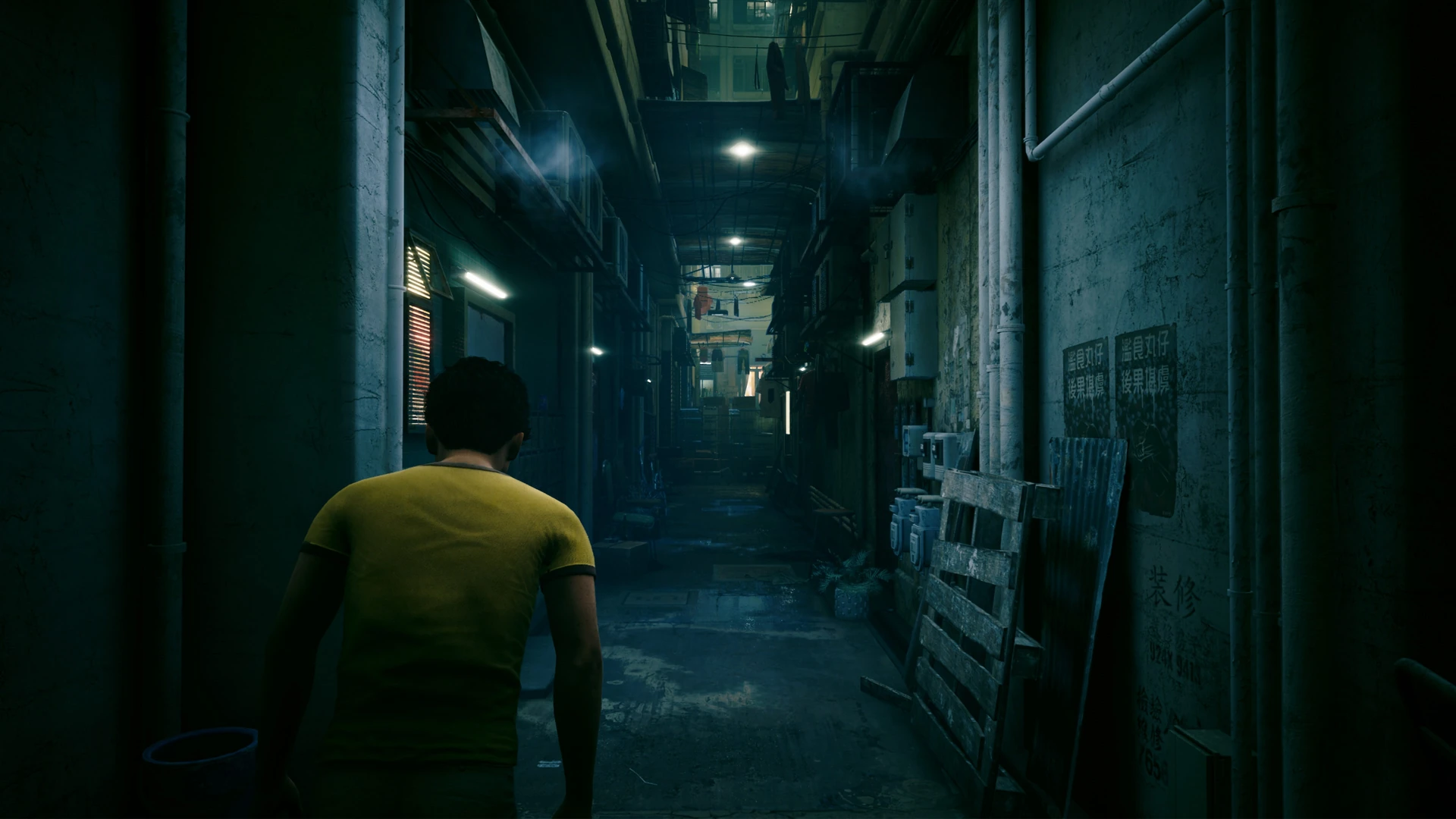
Slitterhead is available through the PlayStation Plus catalogue from September 22. The action-horror game places players in crowded Kowlong as a bodiless entity that can move between human hosts while hunting creatures disguised among the population.
Table of Contents
Possession is both movement and survival
Changing hosts allows the player to cross space, escape danger and approach a target from a position that one body could not reach. Players who struggle early should treat possession as the main navigation tool rather than save it only as an emergency response after taking damage. A host is more than a spare health bar because position, nearby civilians and the route to the next body determine whether possession creates a real escape.
The mechanic works best when the next host is chosen deliberately rather than treated as an unlimited replacement life. The safest opening habit is to identify several possible hosts before starting a fight instead of searching for one only after the current body is trapped. Camera control matters during rapid transfers because the player needs to understand the new body’s position immediately rather than lose time reorienting.
Crowds hide information
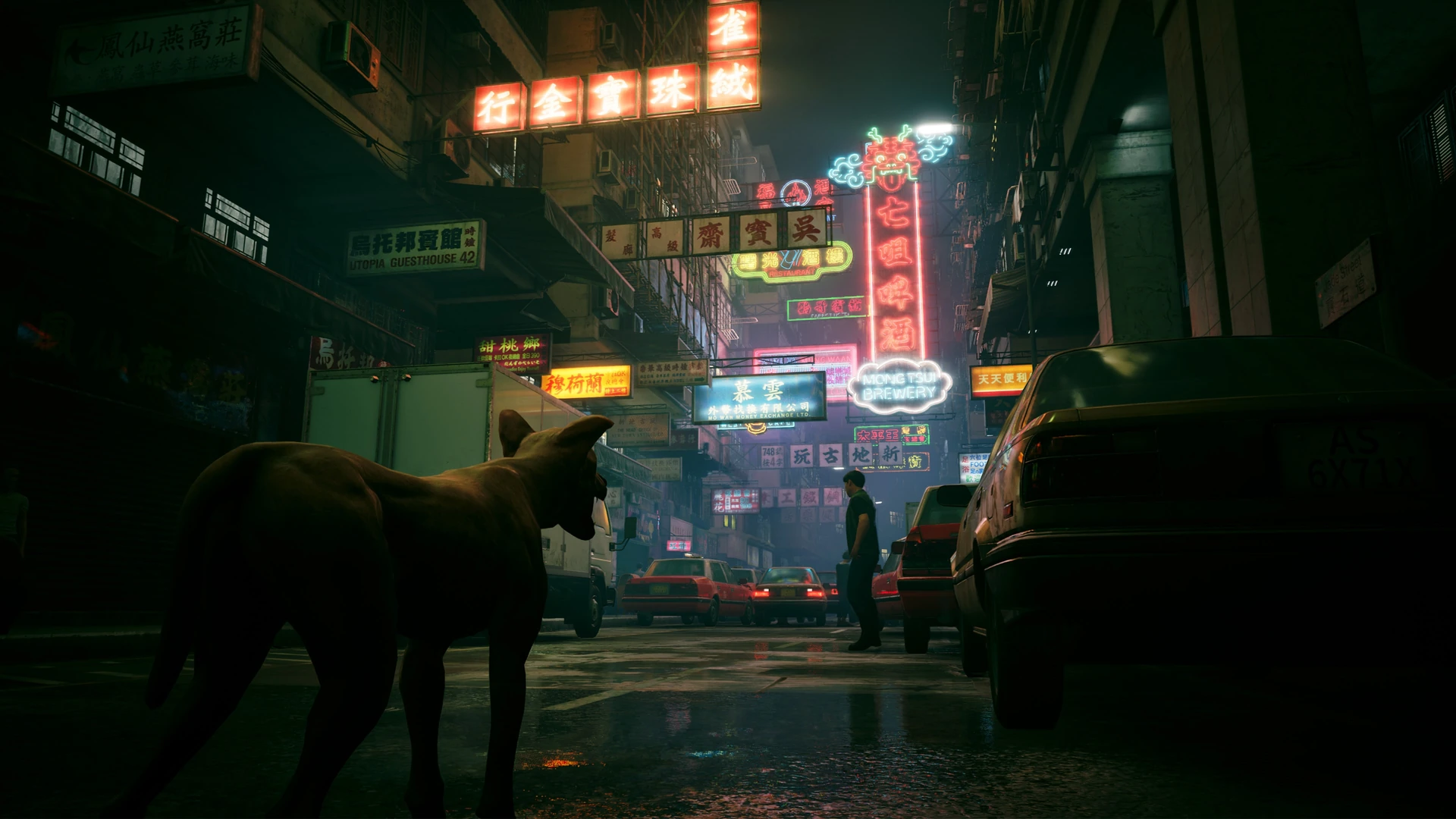
The same busy streets that provide possible hosts also make it harder to identify which figure is a Slitterhead in disguise. Crowded streets provide mobility while also hiding threats, so observation and route planning belong to the same loop as attacking an exposed creature. The body-hopping system is readable when the interface shows valid hosts quickly without covering the visual clues needed to identify danger.
Observation therefore belongs to combat preparation, because entering a fight without a route through the crowd removes the game’s main advantage. Sound can warn of a nearby transformation or attack before the crowd provides a clean line of sight, rewarding attention beyond the central target.
Blood powers carry a visible cost
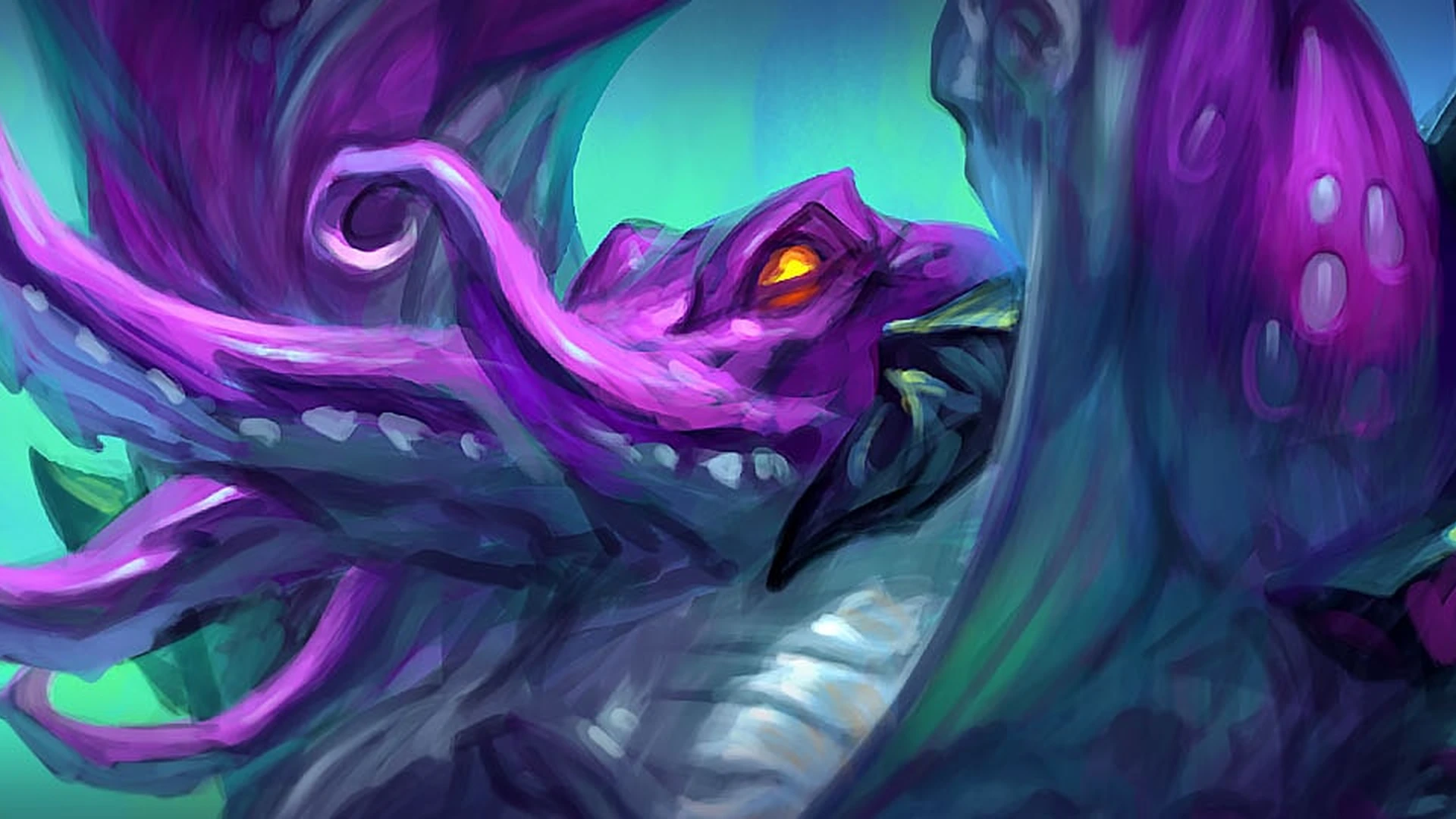
Combat uses abilities tied to the bodies and relationships the protagonist develops with important human allies known as Rarities. Rarities carry stronger abilities and a clearer personal connection to the story, making their survival different from the use of an anonymous temporary host. Puddle-like routes through a crowd can turn a defensive retreat into a new angle, provided the player does not exhaust every nearby option too early.
A strong attack still needs timing because damage, host safety and the availability of another body remain connected. Blood-based attacks look aggressive, but their timing still depends on space, enemy recovery and the possibility of moving into another body afterward.
Catalogue access changes the first decision
Subscribers can try the full game through the service instead of judging its unusual structure only from a trailer. Catalogue access lowers the barrier to trying Slitterhead, but new players still need time to understand possession before its combat begins to make sense. PlayStation Plus members receive the full opportunity to test the unusual structure, not a simplified explanation built only from trailers and screenshots.
New players should begin by learning movement between hosts before chasing aggressive combinations in crowded encounters. A short learning session should focus on movement between hosts, one reliable attack and one exit route before the player attempts longer combinations.
The horror comes from compromised identity
Kowlong is unsettling because an ordinary person can become cover, transport or a temporary weapon within seconds. Kowlong works as a horror setting because ordinary movement continues around the threat, allowing suspicion to build before a disguised creature reveals itself. The game loses tension if every civilian is treated as disposable, so the strongest encounters make the cost of possession visible without stopping the action.
That idea remains effective when the game keeps civilians readable as people rather than turning every crowd into disposable scenery.
Slitterhead remains distinctive when its horror comes from unstable identity and compromised crowds, not only from the appearance of its monsters.