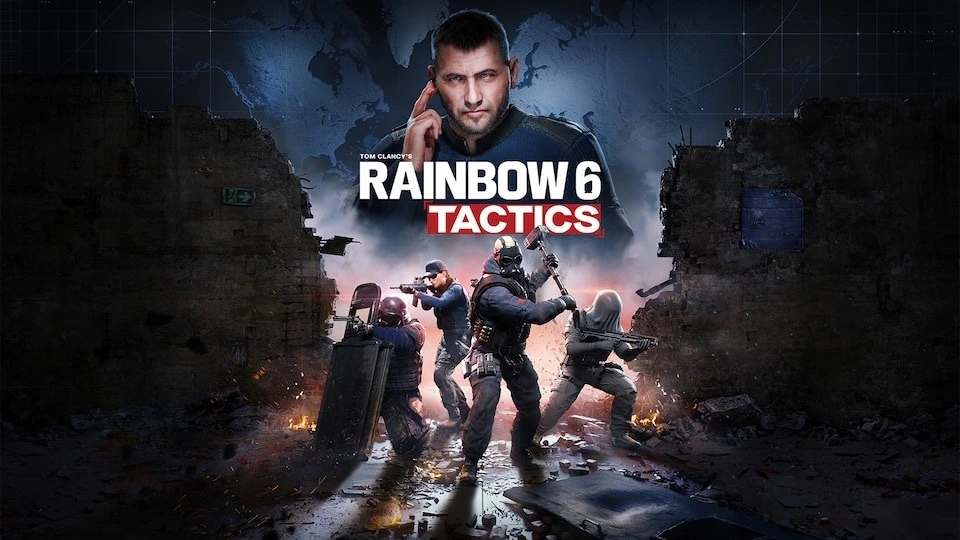
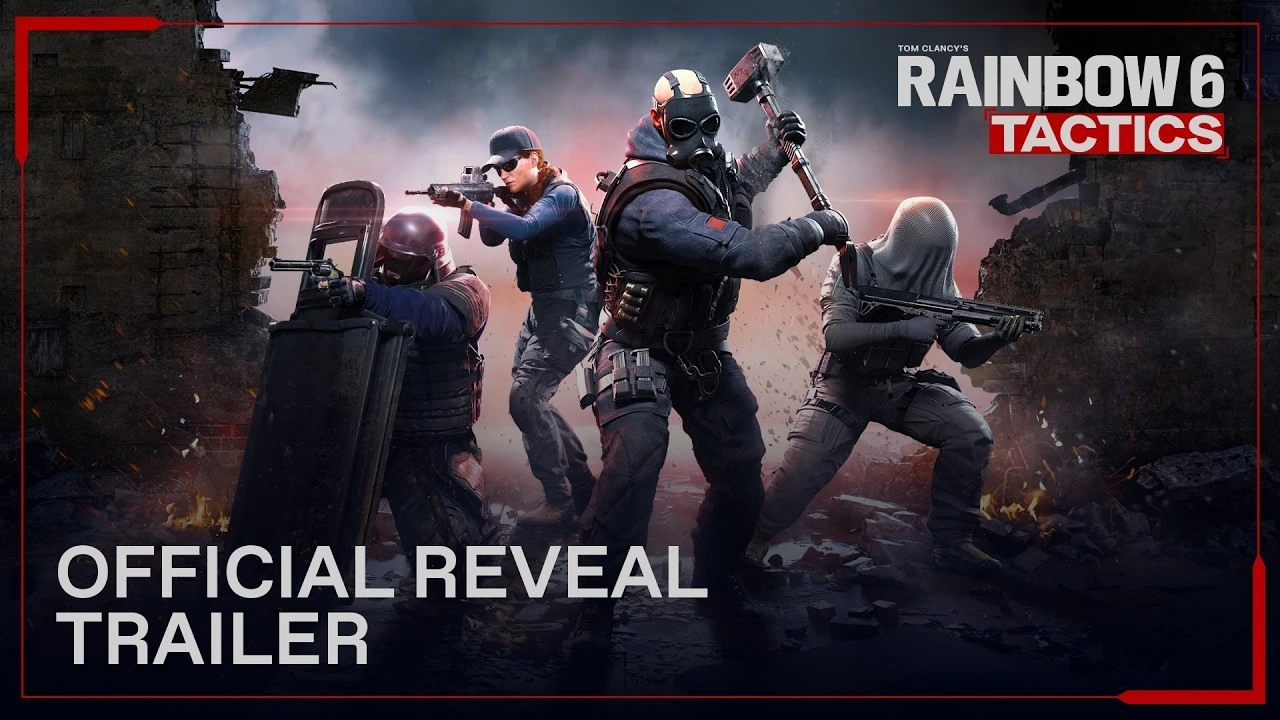
Rainbow Six Tactics moves the series into a single-player, turn-based format. The player acts as Six, chooses assignments, studies intelligence at headquarters and deploys a squad of up to four Operators. Field missions keep familiar gadgets and destructible walls, but actions are organised through turns and coordinated breach plans.
Table of Contents
Preparation begins before the mission starts
The headquarters phase lets the player assess intelligence and choose which Operators fit the assignment. A rescue mission may need information and controlled entry, while bomb disposal can place more value on route security and time. The game does not present every Operator as a different skin for the same role. Abilities, gadgets and skill trees are intended to change how a plan works.
A four-person limit makes selection meaningful because the full roster cannot enter every mission. Leaving one specialist behind creates a weakness that another Operator must cover. The player therefore needs to understand the objective, likely resistance and available entry points before confirming the team. This is strategy at the planning stage, not only during combat.
Mission planning combines several actions
Breach Planning allows coordinated orders to be prepared and then executed together. One Operator can open a wall while another covers the new line of sight and a third moves toward the objective. The feature aims to preserve the sharp momentum of a Rainbow Six assault even though the game uses turns. Success depends on the order and relationship between actions rather than raw speed with a controller.
A plan can still fail when hidden information appears. An enemy may stand outside the expected angle, or the opened route may expose a second room. Turn-based play makes the consequences easier to inspect, but it does not remove uncertainty. The player must keep enough movement, cover or equipment available to react after the planned sequence ends.
| Feature | Confirmed details |
|---|---|
| Operators | 15 |
| Active squad | Up to four |
| Locations | More than 45 |
| Mission examples | Hostage Rescue, Bomb Disposal, Target Elimination |
Destructible walls change the tactical options
Walls can be broken to create sight lines, remove cover or open a new entrance. That system means the map is not a fixed puzzle with one correct corridor. A breach can shorten the route to the target, but it can also reveal the squad to another enemy. Good destruction creates an advantage that the team is ready to use immediately.
The same rule supports replay value. A mission at one of the more than 45 locations can produce a different problem when the squad uses another wall or approaches from another side. The environment becomes part of the equipment set. Players should think about what a surface protects before removing it, not only what lies directly behind it.
Each mission type requires a different plan
Ubisoft has confirmed Hostage Rescue, Bomb Disposal and Target Elimination among the mission types. A rescue puts limits on explosive force near the hostage. Bomb disposal demands access and protection around a device. Target elimination may allow a more direct attack but can still punish a squad that loses control of exits or supporting enemies.
These objectives give the Operator roster a reason to exist. A gadget that is excellent for finding a protected room may matter less after the target begins to move. Skill trees can strengthen a preferred role between missions, yet a specialised team should not be mistaken for a universal team. Assignment details need to drive the selection.
The base creates continuity between assignments
Between operations, the player upgrades the base, trains Operators and improves team capability. This progression links separate missions without turning every success into a simple weapon increase. Better planning support or a developed specialist can open options that were not practical earlier. The value comes from a broader set of decisions, not only higher damage.
Progression also raises a balance question for the final game: early mistakes must matter without making a long campaign impossible. Ubisoft has announced the systems but has not described every recovery rule. The draft therefore avoids inventing permanent injury, resource costs or failure penalties that were not confirmed in the reveal.
The announcement clearly separates Tactics from Siege
Rainbow Six Tactics takes place alongside the Siege timeline, but it is not a new competitive Siege mode. It is a separate single-player tactical game for PC, PS5, Xbox Series consoles and supported cloud services. That distinction sets the right expectation. Players are managing a squad and a campaign rather than joining a five-versus-five live match.
The shared universe supplies Operators, equipment and the idea of careful entry. Turn-based control changes how those elements are used. The result will be judged by whether planning remains tense when the clock is no longer forcing instant input. The reveal gives a strong outline, while release timing and deeper campaign rules still need later confirmation.