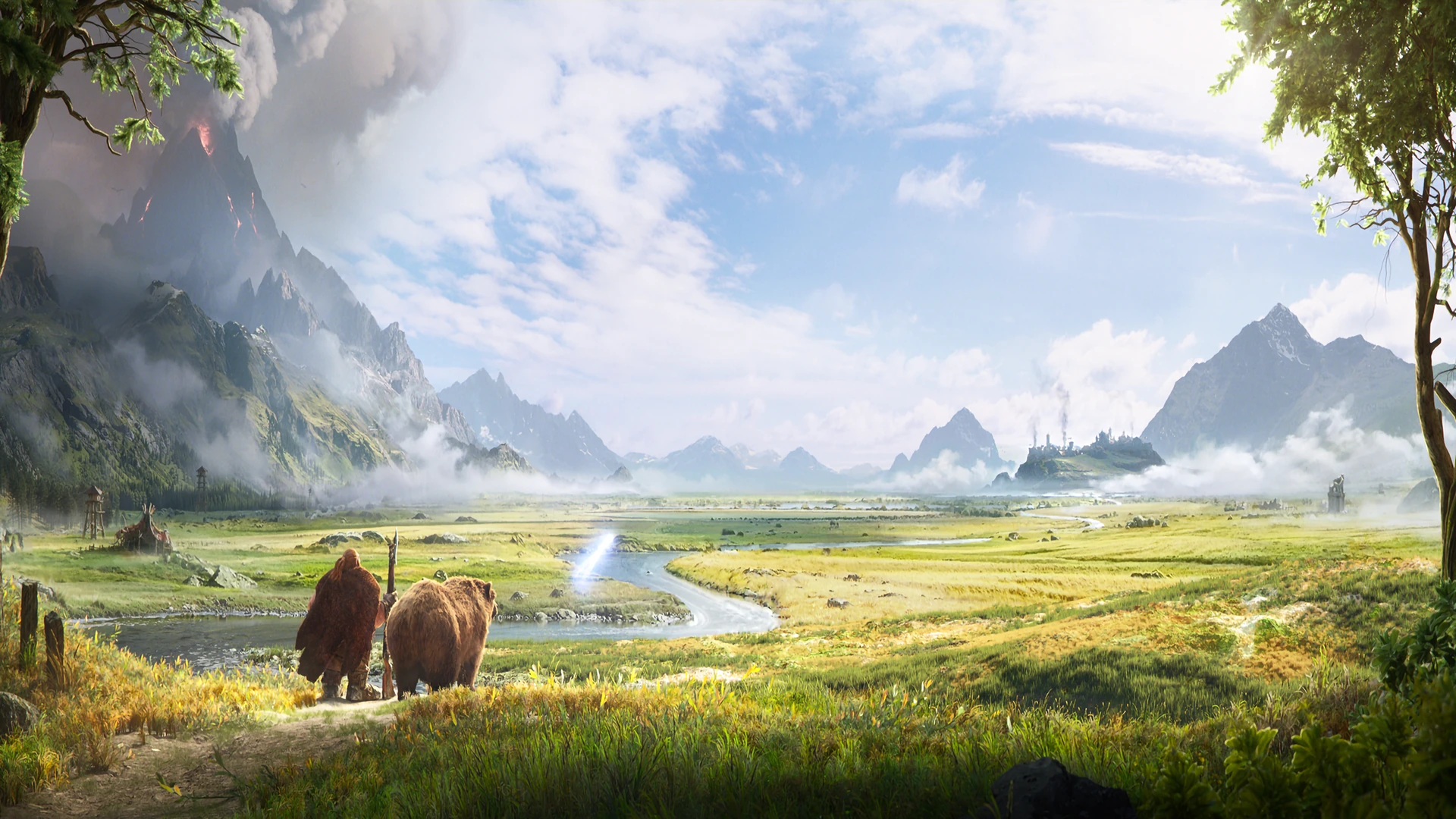
Nvidia has released DLSS 4.5 Ray Reconstruction for GeForce RTX graphics cards. The feature replaces several traditional denoisers with one neural model designed for ray-traced and path-traced scenes.
The new version uses a second-generation transformer. Nvidia says it processes more information while keeping performance close to the previous Ray Reconstruction model.
Table of Contents
Ray Reconstruction rebuilds information missing from each frame
Ray tracing cannot sample every possible light path in real time. The first image therefore contains noise and incomplete lighting data. Traditional rendering uses separate denoisers to clean reflections, shadows and indirect light. Ray Reconstruction replaces those stages with a model trained to combine engine data across space and time.
The system also works with Super Resolution. It uses low-resolution samples, motion information and previous frames to build a higher-resolution result.
Good reconstruction needs stable detail during movement. A sharp still image is not enough if fine lines flicker or disappear when the camera turns.
The new model processes more data with similar performance
Nvidia states that the efficient denoiser provides 35 per cent more compute capability and processes 20 per cent more parameters. The company says performance remains similar to the earlier model. This balance matters because a better image has limited value if the frame rate becomes unsuitable for play.
Nvidia says deeper spatial awareness improves lighting accuracy and motion stability. A larger training set also helps the model choose better engine data for each reconstructed area. Real results will vary by game, resolution and scene. Fine reflections, transparent surfaces and fast effects create different reconstruction problems.
| Feature of DLSS 4.5 | Nvidia specification |
|---|---|
| AI model | Second-generation AI transformer model |
| Computing power | Increased by 35 percent |
| AI model parameters | Increased by 20 percent |
| Compatible graphics cards | Every generation of GeForce RTX graphics cards |
| Games supported at launch | 27 |
The release supports every generation of GeForce RTX
DLSS 4.5 Ray Reconstruction is available for all GeForce RTX users through the Nvidia app. The feature is not limited to the newest RTX 50 series. Individual games still need a supported integration. Installing the model does not add ray tracing or DLSS to a title that never implemented those systems.
The Nvidia app can update the model used by compatible games. This allows an image-quality improvement without waiting for every developer to ship the same files separately. The Nvidia app distributes the new model to compatible games. Graphics driver updates remain separate from the list of supported titles.
Twenty-seven games support the model at launch
The supported list includes Alan Wake 2, Cyberpunk 2077, Hogwarts Legacy, Portal with RTX and Indiana Jones and the Great Circle. Newer titles include Resident Evil Requiem, Pragmata, Crimson Desert and Directive 8020. Competitive and online games such as Enlisted and Naraka: Bladepoint also appear.
The list covers different engines and lighting styles. That range gives the model a broader test than one technology demonstration. Support can expand after launch. Each added game still needs correct motion vectors, depth information and other engine inputs for the reconstruction to work as intended.
The new model targets stability in moving images
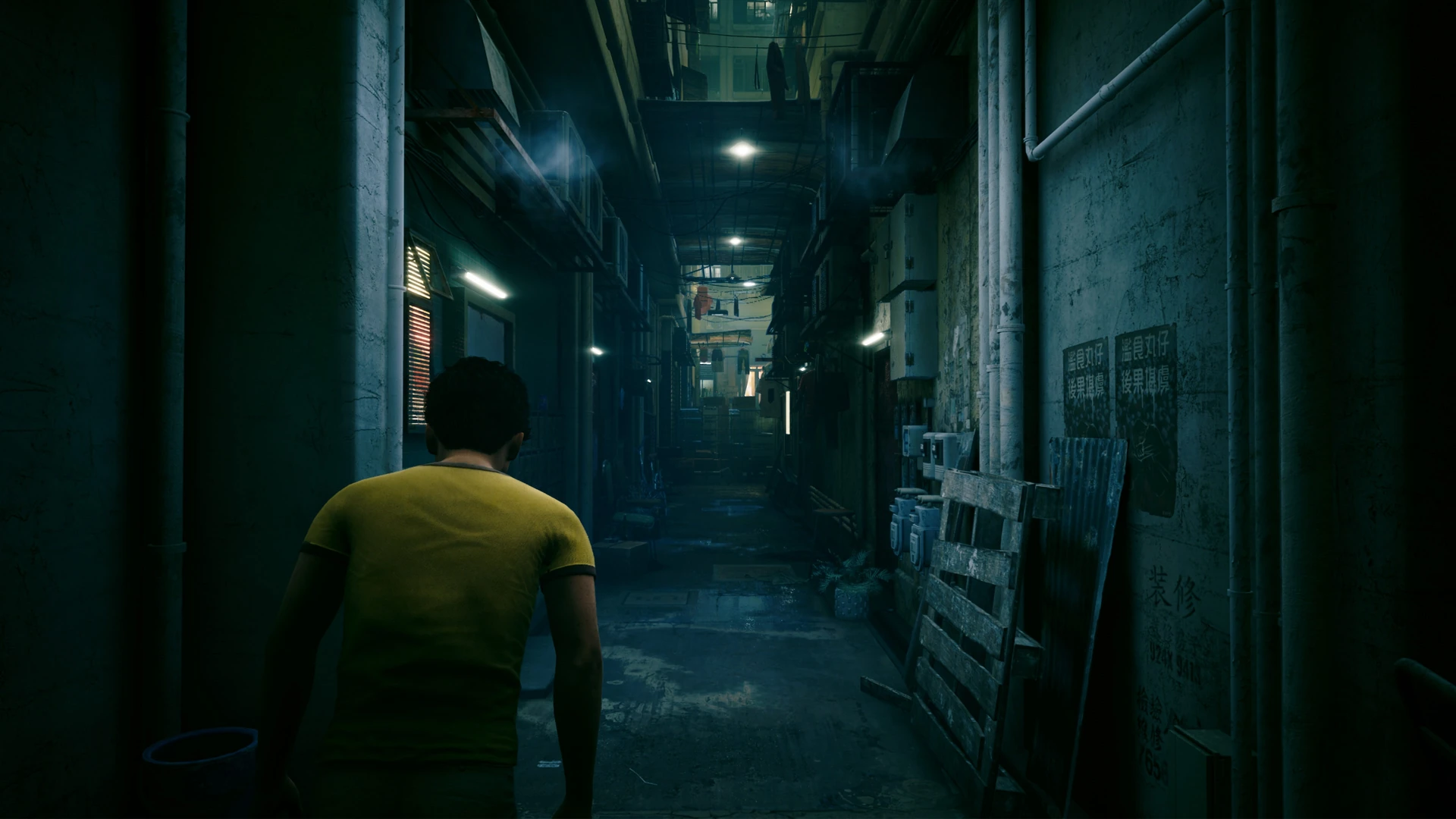
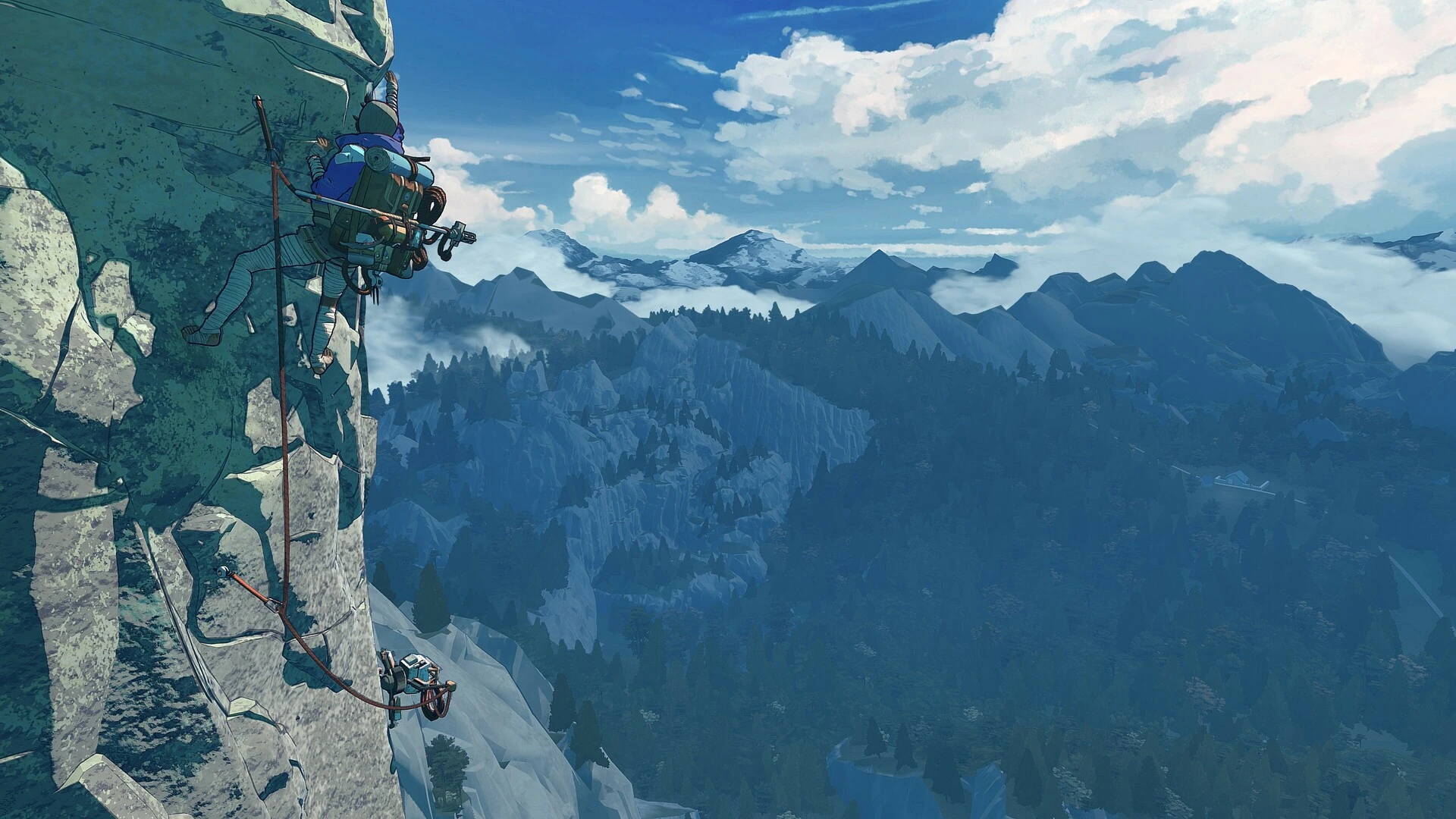
Nvidia demonstrates the model with thin geometry, reflections and detailed light during movement. The company says the update reduces flicker while preserving detail. The performance claim compares the new and previous Ray Reconstruction models under similar settings. Results still vary by game, resolution and scene.
Ray Reconstruction does not replace every graphics choice. Native resolution, path tracing quality and frame generation still affect performance and appearance. The release gives RTX users a new model they can test now. Its benefit will be clearest in supported games with demanding reflections and moving light.