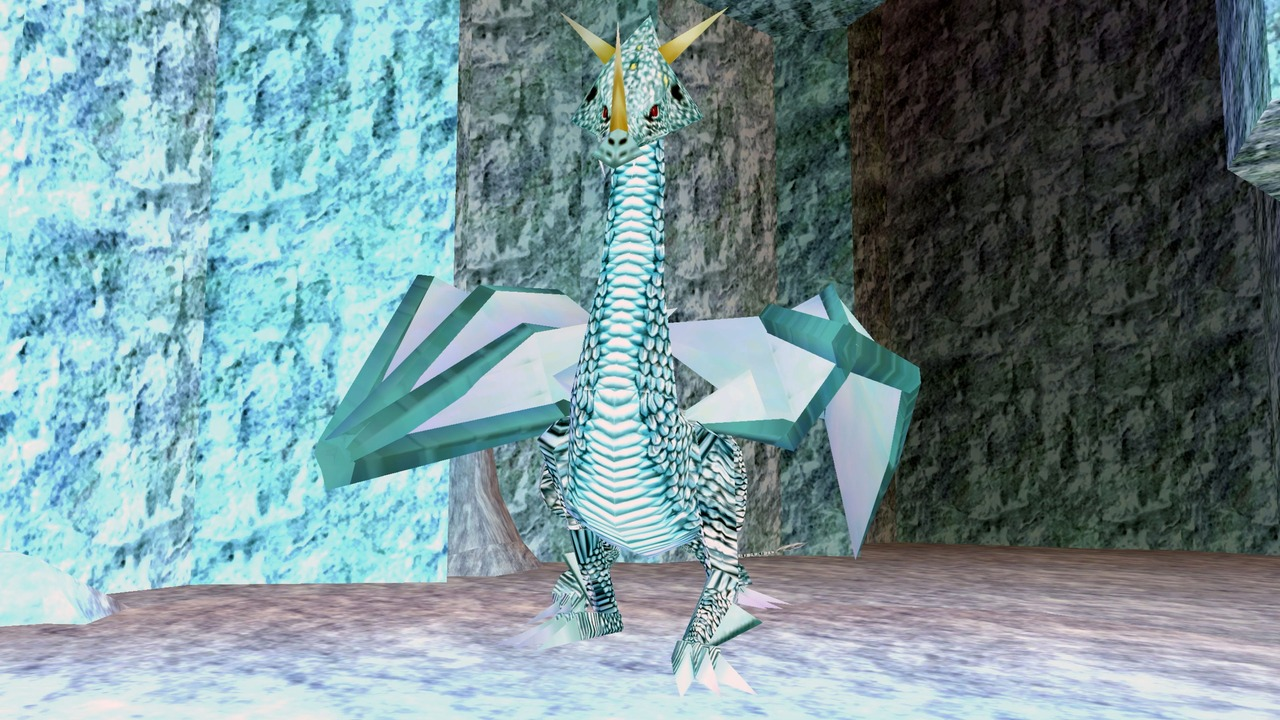
EverQuest Legends has updated the Estate of Unrest and several core systems. The zone now has more useful rare enemies and items, while ordinary undead inside the estate can drop Fine Steel weapons.
The same patch improves Solusek’s Eye, bulk quest turn-ins, pets, spells and the user interface. Raid bosses in multiplayer voidling zones also have less health.
Table of Contents
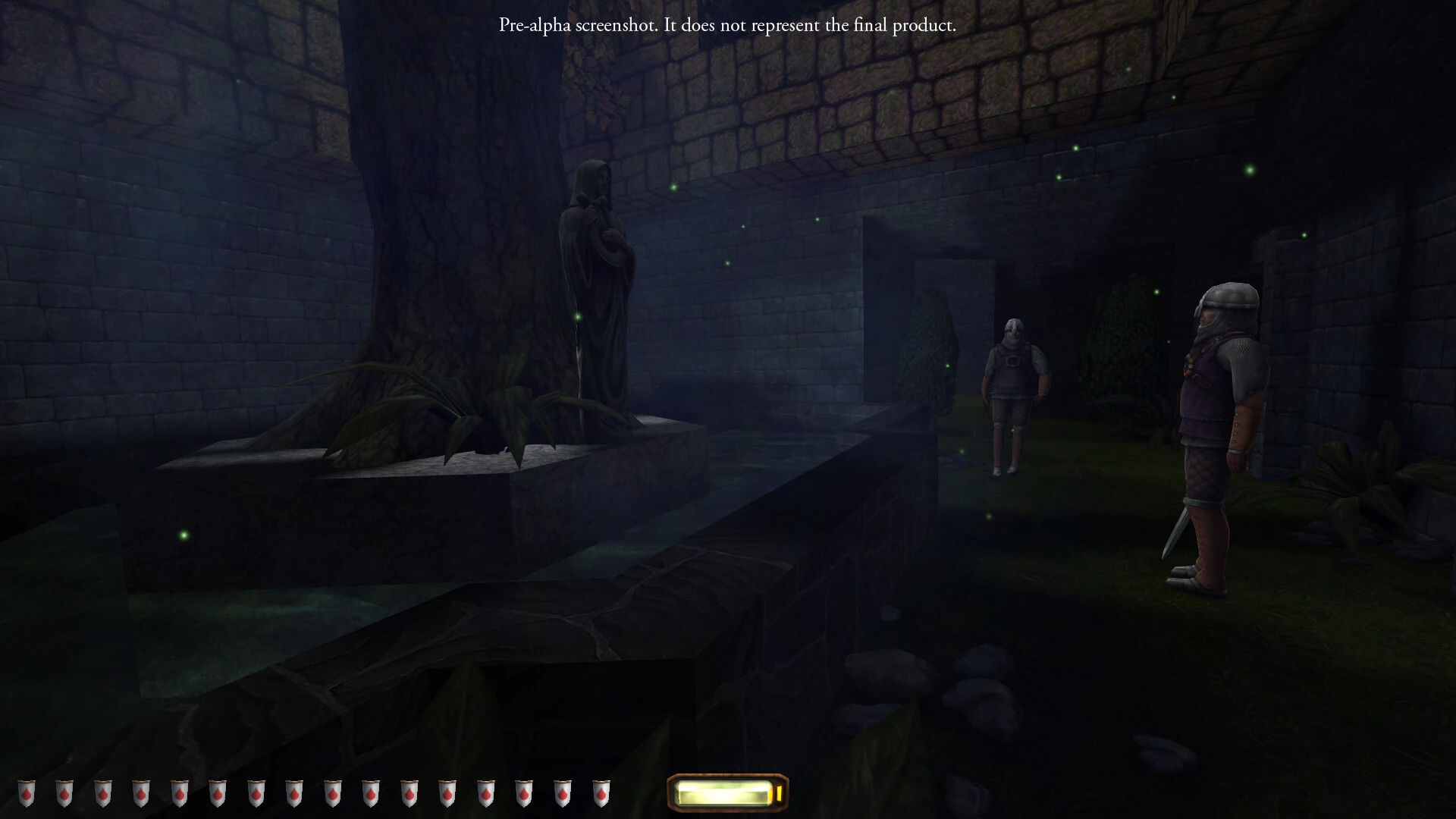
The haunted estate now offers better rare-enemy rewards
Most rare creatures in the Estate of Unrest now carry new items, and several existing rewards have been improved. More named enemies are also treated as rare creatures, which raises their chance to drop motes. Rare enemies now appear without placeholder creatures. A group looking for one target can spend more time fighting the intended enemy and less time repeating placeholder clears.
Undead commonly found on the first floor can occasionally drop Fine Steel weapons. That gives normal pulls a useful reward even when a rare enemy is not the immediate goal.
Solusek’s Eye uses the same improved rare-enemy rules
Rare creatures in Solusek’s Eye are now guaranteed to appear without placeholder enemies. Additional named monsters have been marked as rare and can benefit from the higher mote drop chance. The change makes a hunting route easier to plan, but it does not remove competition or combat difficulty. A group still needs to reach the target, control nearby enemies and distribute rewards.
Players returning to the zone should update old notes. A route built around repeated placeholder kills may no longer be the fastest way to reach the desired encounter.
Bulk quest turn-ins calculate the complete reward first
Experience, faction, coins, items and statistics are now calculated in one bulk process. The result appears in a limited number of chat blocks instead of producing a long stream of separate messages. The new method resolves the turn-in immediately and is designed to prevent frame-rate drops. Coin quest characters also accept bulk turn-ins and return any excess in the highest suitable denomination.
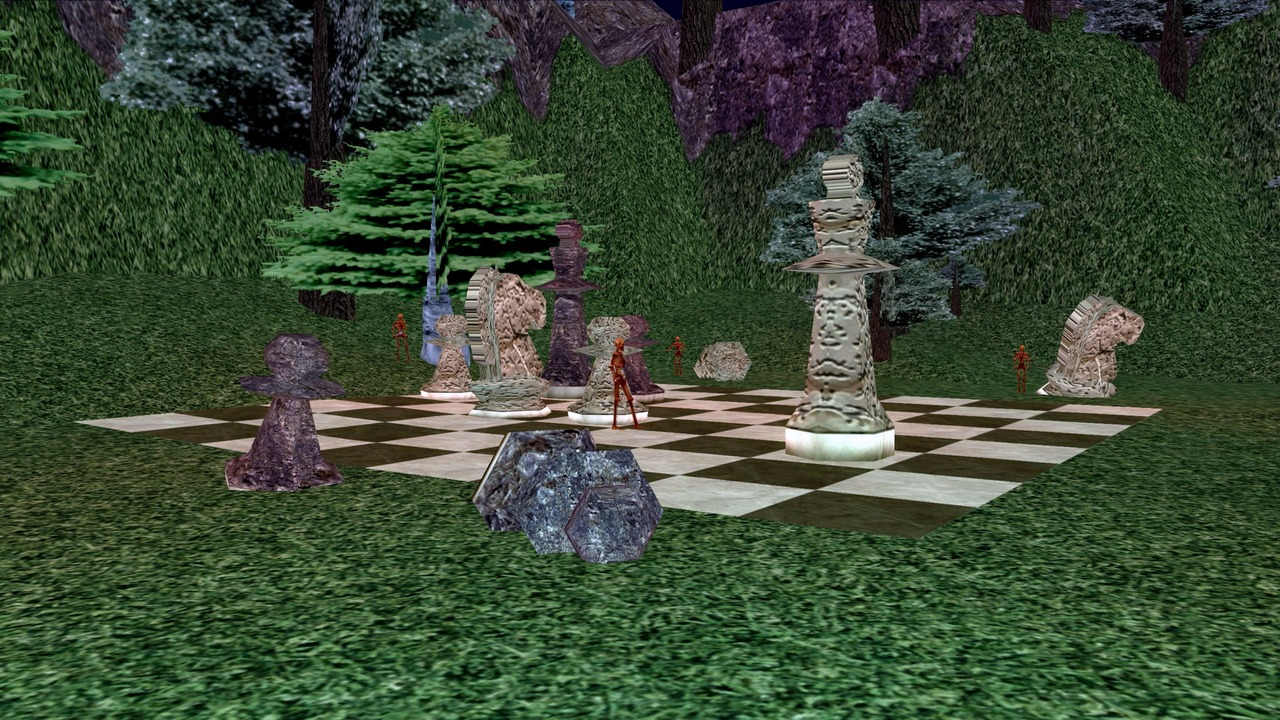
Quest characters now accept coins in any denomination. When several item rewards are granted, the message states how many the player received.
Player companions follow simpler faction and combat rules
Player companions no longer have their own faction or separate aggression range. This reduces situations where a companion reacts differently from its owner for reasons that are difficult to see. Non-player pets can no longer summon another pet. Familiar summons also should not prevent a main pet from returning to its correct level after a zone change.
Upgraded pet proc spells now apply their improved damage and resistance values. Pet classes should compare the current result with their older setup before changing equipment.
Beastlords receive a new passive ability
Strike As One is a new Beastlord alternate advancement ability available from level 35. It costs six advancement points and can trigger when the Beastlord lands a hit. When it activates, the Warder gains thirty percent more flurry chance for twelve seconds. The effect rewards continued combat and gives the pet a short period of stronger repeated attacks.
The player does not press a separate activation button. The useful decision is whether to keep attacking safely while the effect is active or step away from a dangerous enemy ability.
| Update area | Main result |
|---|---|
| Estate of Unrest | More rare items and guaranteed rare spawns |
| Bulk quests | Rewards are calculated and shown together |
| Strike As One | Warder gains a temporary flurry increase |
| Nameplates | New options show enemy target status |
Interface fixes improve scaling and combat information
The interface now scales more reliably and presents combat information with fewer visual errors. These changes support long sessions without changing character power.
Players can check the interface before a raid
A review helps players find combat information before a large group enters the zone.