Escape from Playtime will enter Steam Early Access on October 21. Mob Entertainment’s cooperative survival horror places one to four players inside the abandoned Playtime Co. factory as Smiling Critters. Procedurally arranged sections, proximity voice chat, scavenged tools and a mysterious Voice shape each run. The initial build includes eight playable characters, one starter zone and a core group of enemies, with further areas and systems planned around community feedback.
Table of Contents
The smaller characters change familiar spaces
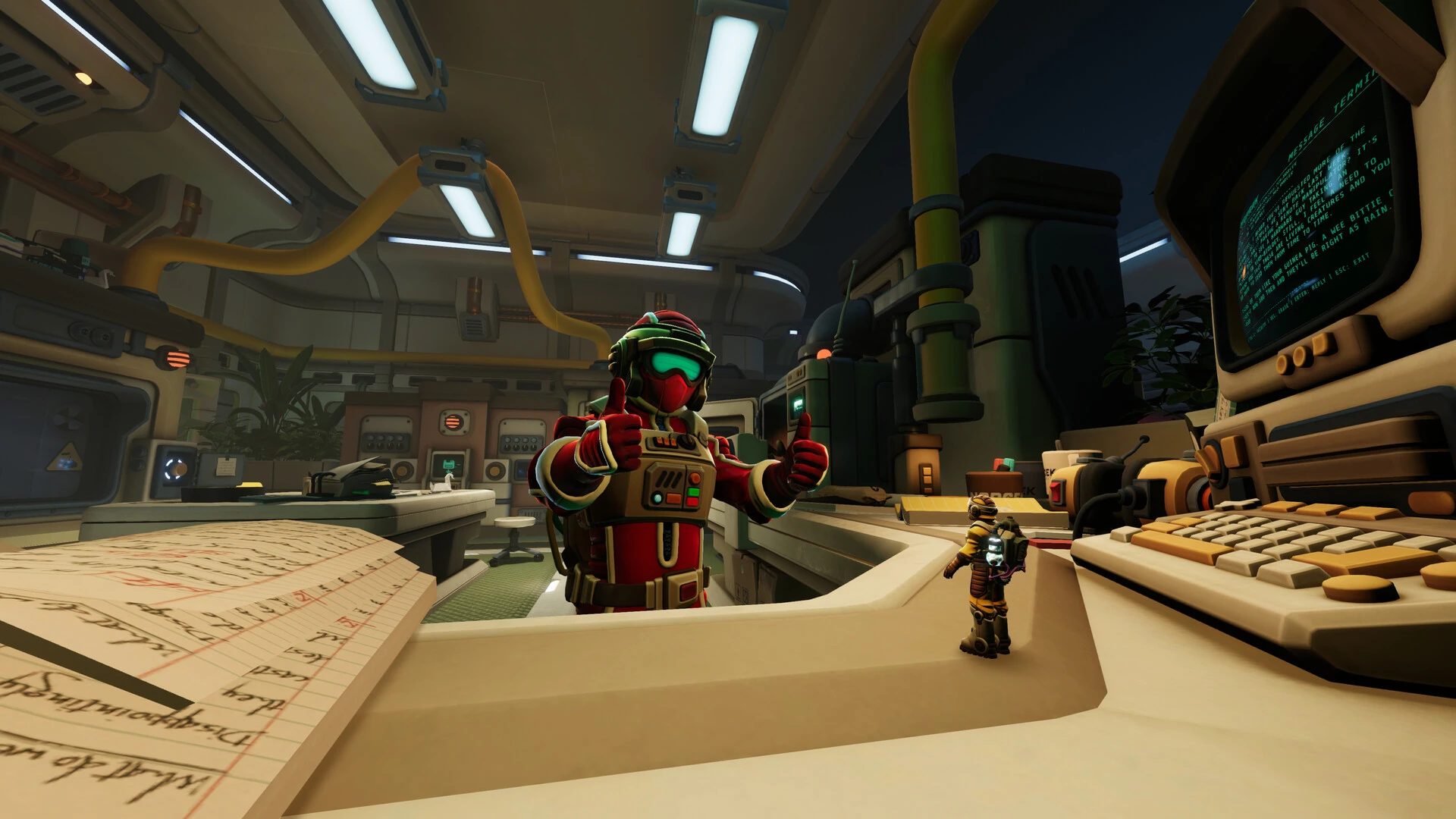
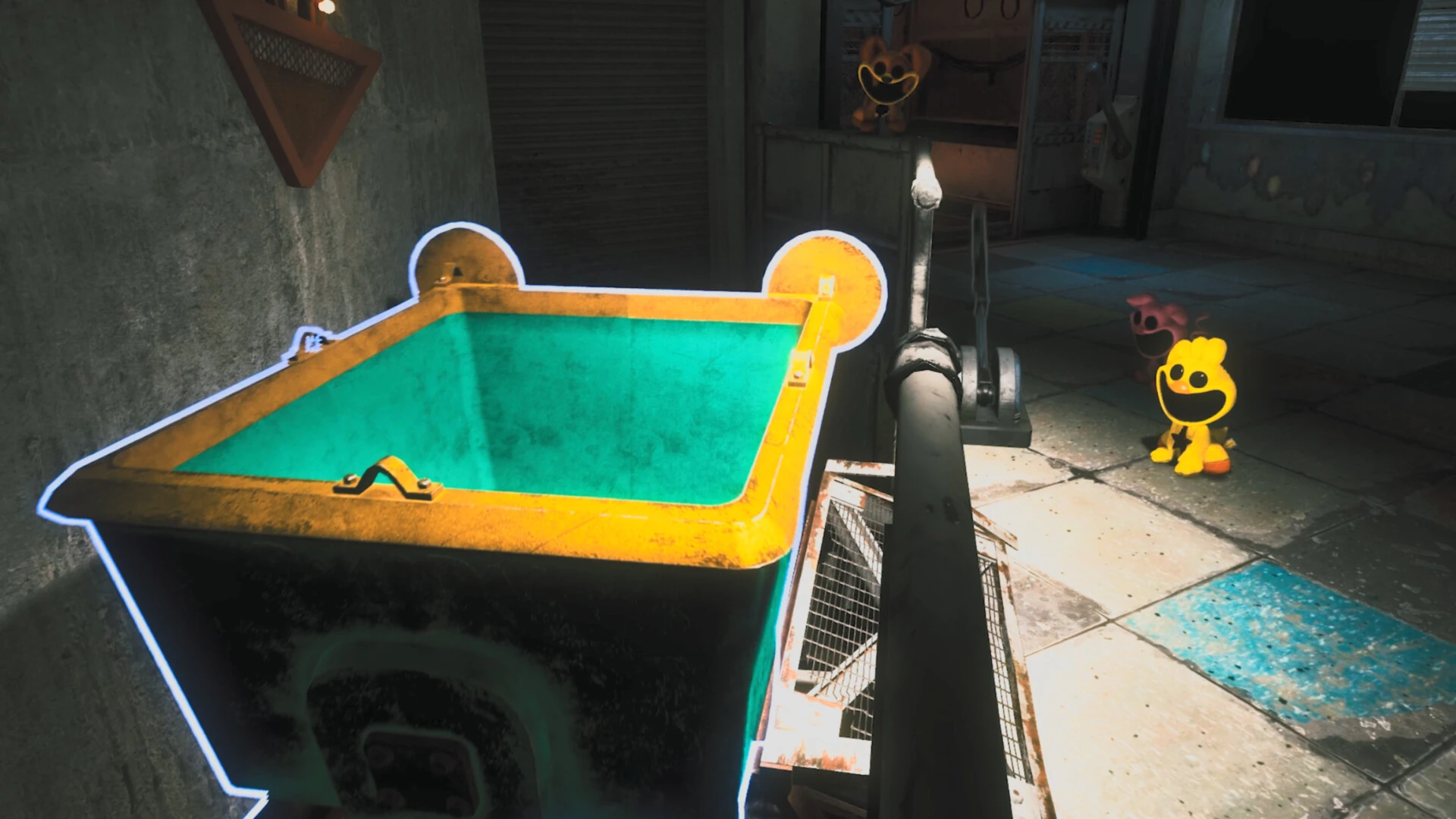
Classrooms, warehouses and testing rooms look different from the height of a Smiling Critter. Crawling, climbing and hiding routes can use gaps that a human character would ignore.
The scale also makes ordinary factory equipment a meaningful obstacle. That perspective gives the project its own play style inside the wider Poppy Playtime setting. Playing at the height of a Smiling Critter changes the value of cover and distance. A shelf can become a platform, a narrow gap can become an escape route, and a machine built for workers can tower over the whole group. The factory should communicate which objects are usable through shape and motion rather than bright markers on every surface. That allows the smaller perspective to create discovery while keeping a frightened team from confusing decoration with a viable path.
Each run rearranges the route
The mysterious Voice can alter the factory layout between attempts. Procedural structure should change decisions without removing recognisable landmarks.
Players need enough consistency to learn enemy behaviour and enough variation to avoid repeating one route. A clear extraction objective will help the group understand when to explore and when to leave. Procedural rearrangement should alter the order of decisions without destroying the player’s ability to learn. Recognisable rooms and enemy rules can remain stable while doors, resources and connections move between runs. The team then carries knowledge forward but cannot memorise one perfect route. A visible extraction condition is equally important: players need to know when another search is worth the danger and when the collected parts should be taken back safely.
Cooperation extends beyond fighting
Teams gather parts and resources before returning them to safety. Proximity chat means a separated player may lose contact at the worst moment.
Tools, distractions, hiding places and alternate paths provide several responses to danger. A balanced team can cover more ground, but every extra person also creates more noise and more opportunities for a mistake. Proximity chat turns distance into a resource. Splitting up can find equipment faster, but a player beyond speaking range may not be able to warn the group about an enemy or blocked exit. Tools and distractions should support clear roles without forcing one permanent class composition. A quiet scout, a player carrying parts and a teammate preparing an escape can cooperate differently in each room, provided the game shows what the others are attempting.
Early Access starts with defined limits
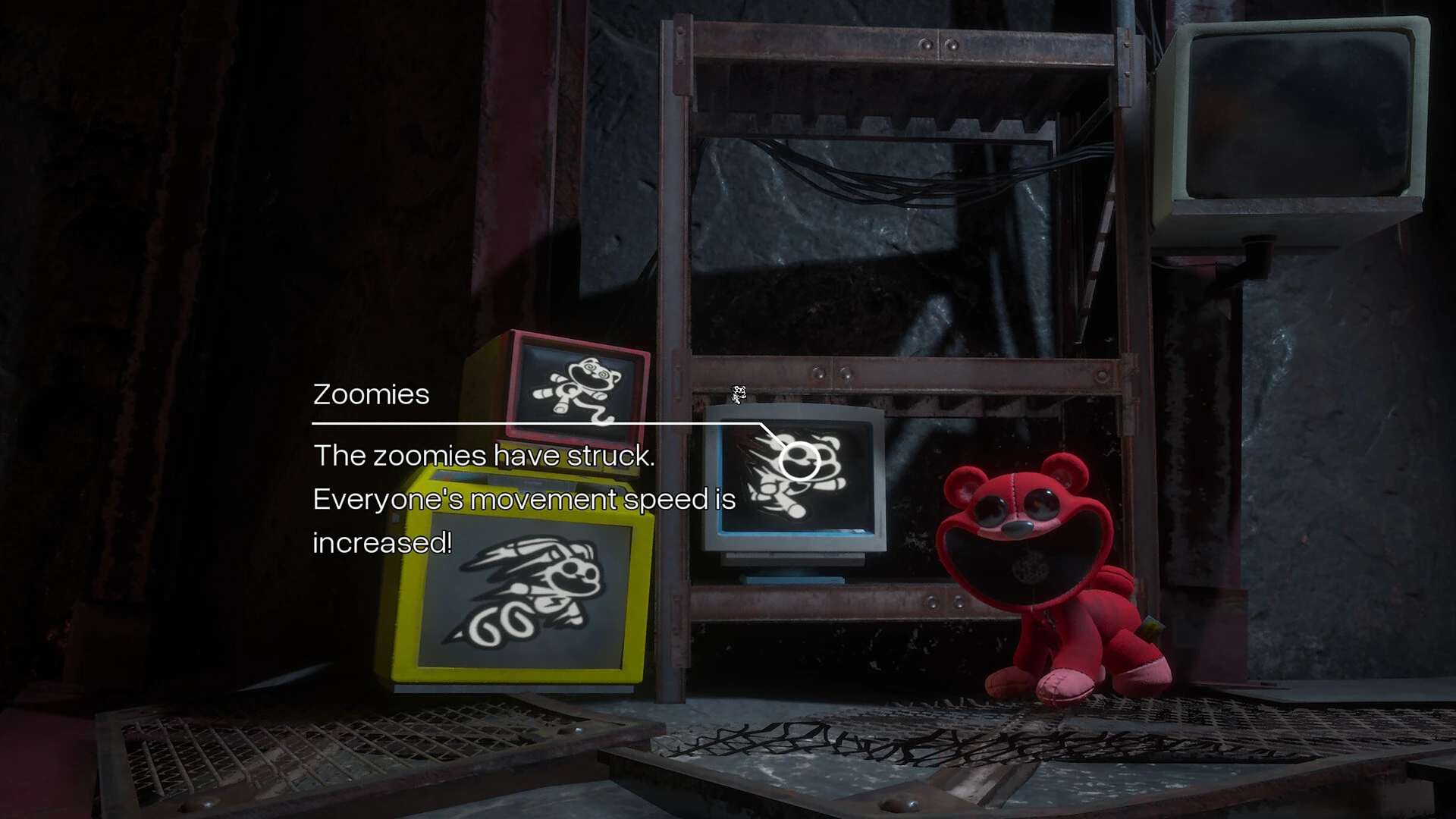
The launch build includes a full eight-character roster and one starter zone. Mob Entertainment plans new locations, enemies and features during development.
The studio currently expects the early-access period to last about a year, but it has not guaranteed that duration. Buyers should judge the October version by its confirmed content rather than by every idea on the roadmap. The opening early-access package should be evaluated as one zone with eight characters and the current enemy set. Planned locations and systems explain the direction of development, but they are not part of the purchase until they are delivered. A year is the studio’s estimate, not a fixed completion date. Useful early feedback can focus on route readability, enemy behaviour, voice range and performance, because those systems will affect every later area more than a request for one isolated feature.
The Steam release has practical requirements
The PC version supports solo play and online groups of up to four. Windows 10 or 11 and DirectX 12 are listed at minimum specification.
The recommended hardware rises to an RTX 3070 or Radeon RX 6800 XT class graphics card. Players joining the same group should test voice levels and performance before a long run. Groups should compare hardware before a long run, especially when one player is close to the minimum specification. Stable frame pacing matters during pursuit, while clear audio matters whenever the team separates. Solo support provides a way to learn the environment, but the design is built around as many as four online players. The October 21 release is an early-access start on Steam, so performance reports and feature availability should always refer to the version that is actually live at that time.