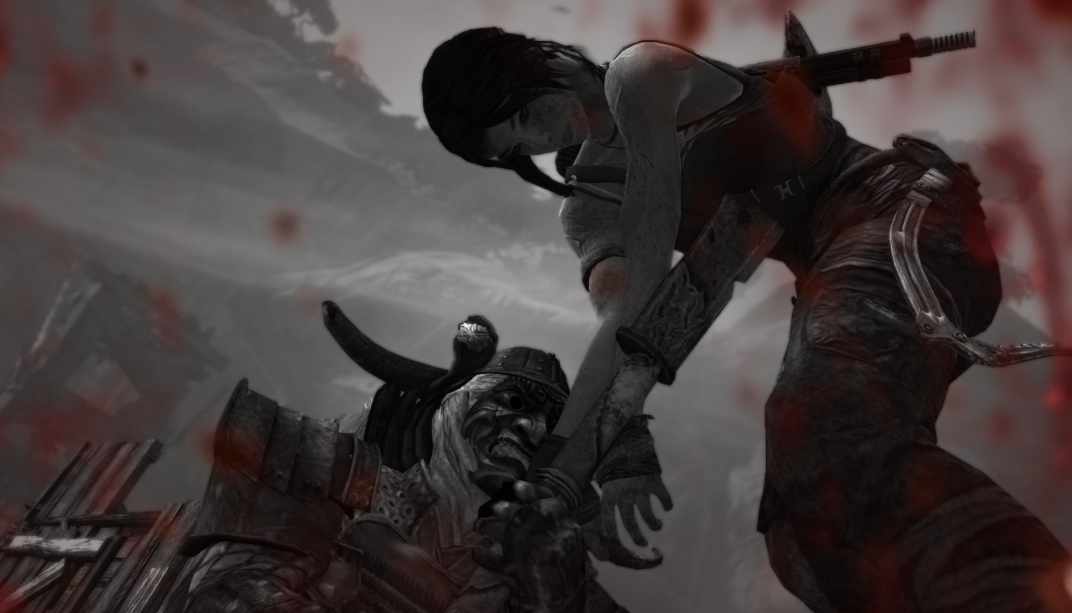
After 27 years, Core Design developers have finally shed light on one of the most high-profile decisions in gaming history—the death of Lara Croft in Tomb Raider: The Last Revelation. The motive was depressingly simple: the team was burned out and wanted to put an end to the series, hoping that their endless game-making marathon would end with their heroine.
From 1996 to 2003, Core Design churned out new Tomb Raider installments almost every year. By the time work began on the fourth game, this grind had exhausted everyone to the point of exhaustion. Writer and designer Andy Sandham bluntly stated, “We were tired of Lara and wanted to kill her.” He drafted a script featuring the heroine’s death at the end and handed it to producers Adrian Smith and Jeremy Heath-Smith, almost certain they wouldn’t finish the document. “I think that’s what happened,” Sandham recalls. “I remember Jez yelling at us about it later. Probably when I saw that final cinematic.”
Programmer Tom Scutt confirms: the decision was collective and desperate. “I suspect we all thought, ‘Oh my God, if we kill her, we won’t have to make another game.'” It was a hope for a respite that never came—after The Last Revelation, the studio was immediately refocused on Chronicles and The Angel of Darkness.
However, not everyone on the team agrees that fatigue was the sole reason. Designer Richard Morton offers a more pragmatic view: “We just didn’t know how to finish the game.” According to him, Lara’s death was originally intended to be temporary—the heroine was planned to return in the next project for PlayStation 2. This is why her death is never directly depicted in The Last Revelation.
Today, Lara Croft remains one of the most recognizable heroines in gaming history, and her return is already planned for Tomb Raider: Legacy of Atlantis in 2027. But one of the most dramatic moments in her biography, as it turns out, was born not from a brilliant script, but from the creators’ simple fatigue.
Table of Contents
Discrepancies in the developers’ accounts: what really happened
The main intrigue of this story is not Lara’s death itself, but the contradictions in the creators’ own recollections. Sandham insists on fatigue and a cunning plan to push the ending past the producers. Morton, however, attributes it to creative crisis and practical necessity. Who is right?
Two Perspectives on the Ending
Both versions are valid—and, as is often the case, the truth is likely somewhere in the middle. The team was truly burned out, and this burnout pushed them to a radical solution, which was then written into the script under the pretext of “it was difficult to come up with an ending.”
Why Lara’s Death Wasn’t Shown on Screen: A Loophole for a Return
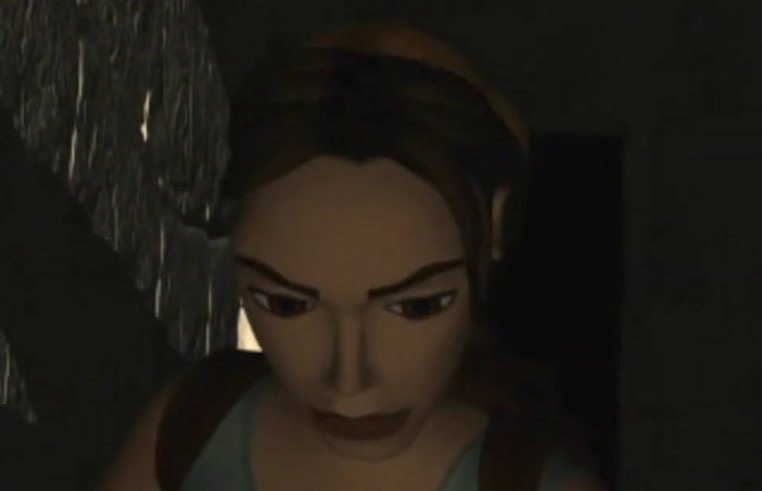
One of the most discussed details is the ending of The Last Revelation. Lara remains buried under the rubble of the temple, but players never see her dead. This is no accident. As Morton confirms, the team had an escape hatch in mind from the very beginning. Her death was intended to be temporary—a cliffhanger of sorts that would allow the heroine to return in the next installment if Eidos management insisted on a sequel.
This is why Chronicles (2000) tells stories from Lara’s past, while The Angel of Darkness (2003) resurrects her. Her death in the fourth game was not a full stop, but an ellipsis—a decision that arguably saved the franchise from closure. Core Design’s Legacy: How Burnout Changed Gaming History The decision to kill Lara Croft became emblematic of a broader problem in the gaming industry of the late ’90s—the endless crunch and pursuit of annual releases. Core Design, the creator of the iconic franchise, ultimately fell victim to its own success. After the failure of The Angel of Darkness, Eidos stripped the studio of the rights to the series and handed them over to Crystal Dynamics.
But ironically, this dramatic moment—the developers’ attempt to “kill” the tiresome heroine—became one of the most memorable chapters in Tomb Raider history. Years later, it becomes clear that its most dramatic moment was the result not so much of the plot’s design as of the creators’ sheer fatigue. And herein lies, perhaps, the greatest value of this story—it reminds us that behind every great character are real people who can also become tired, burnt out, and yearn for change.