The US video game market is enormous, yet Americans spent just $85 million on traditional boxed games in July. For an industry where individual blockbuster releases can generate hundreds of millions of dollars, that figure looks almost symbolic.
According to Circana analyst Mat Piscatella, July 2026 was the weakest month for new physical video game sales in the United States since this type of tracking began in 1995. At the same time, the overall US video game market generated roughly $4.5 billion during the month, even though total spending was down 10% year over year.
That creates a revealing paradox: players have not stopped spending money on games. They are simply buying fewer of them from store shelves.
Table of Contents
US Physical Game Sales Fell to Just $85 Million
The figure becomes even more striking when placed in historical context. Back in 2008, US consumers spent around $11.6 billion per year on new physical video games. By 2025, that figure had fallen to approximately $1.5 billion, representing a decline of more than 85% from the market’s peak.
And the downward trend is still continuing.
| Metric | Value |
|---|---|
| US physical game sales in July 2026 | $85 million |
| Total US video game spending in July | Around $4.5 billion |
| Year-over-year change in total market spending | -10% |
| Nintendo share of new physical game spending in 2026 | 63% |
| PlayStation share | 32% |
| Total US physical game sales in 2025 | Around $1.5 billion |
It is important not to take the comparison with 1995 too literally. This is the lowest monthly figure since Circana’s tracking began, not evidence that the entire modern gaming market has somehow returned to the size it was in the mid-1990s.
Quite the opposite. Digital storefronts, subscriptions, DLC, and in-game spending have made the wider industry significantly larger.
Why Are Players Buying Fewer Games on Disc?
The decline is not simply a case of players suddenly losing interest in physical boxes. The way games are bought and distributed has changed dramatically over the past decade.
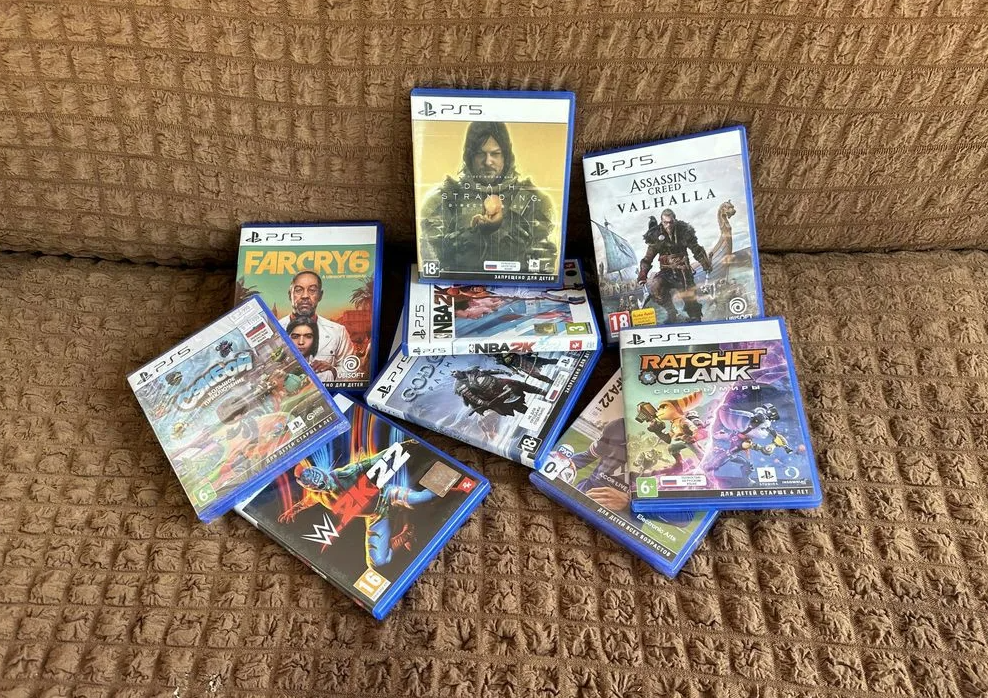
Several practical factors are driving the shift:
-
digital games can be purchased and launched without leaving home;
-
console players have become accustomed to frequent sales on the PlayStation Store, Xbox Store, and Nintendo eShop;
-
some consoles are now sold without disc drives at all;
-
many modern games require large day-one patches;
-
some titles receive only limited physical runs or no boxed release whatsoever;
-
subscription services such as Game Pass and PlayStation Plus reduce the need to buy individual games.
As a result, discs are increasingly becoming less of a default way to access a game and more of an option for collectors, second-hand buyers, and players who want the ability to resell their purchases.
Nintendo Is Keeping the Physical Games Market Alive
One of the most interesting parts of the data is how unevenly physical spending is distributed across platforms.
Nintendo accounts for roughly 63% of US consumer spending on new physical games in 2026, while PlayStation represents around 32%.
That says a lot about the habits of Nintendo’s audience. Nintendo games have historically held their value for longer, maintained a stronger retail presence, and remained particularly attractive to collectors. The launch of Switch 2 in 2025 also gave the physical market a temporary boost, making the year-over-year comparison for July 2026 especially difficult.
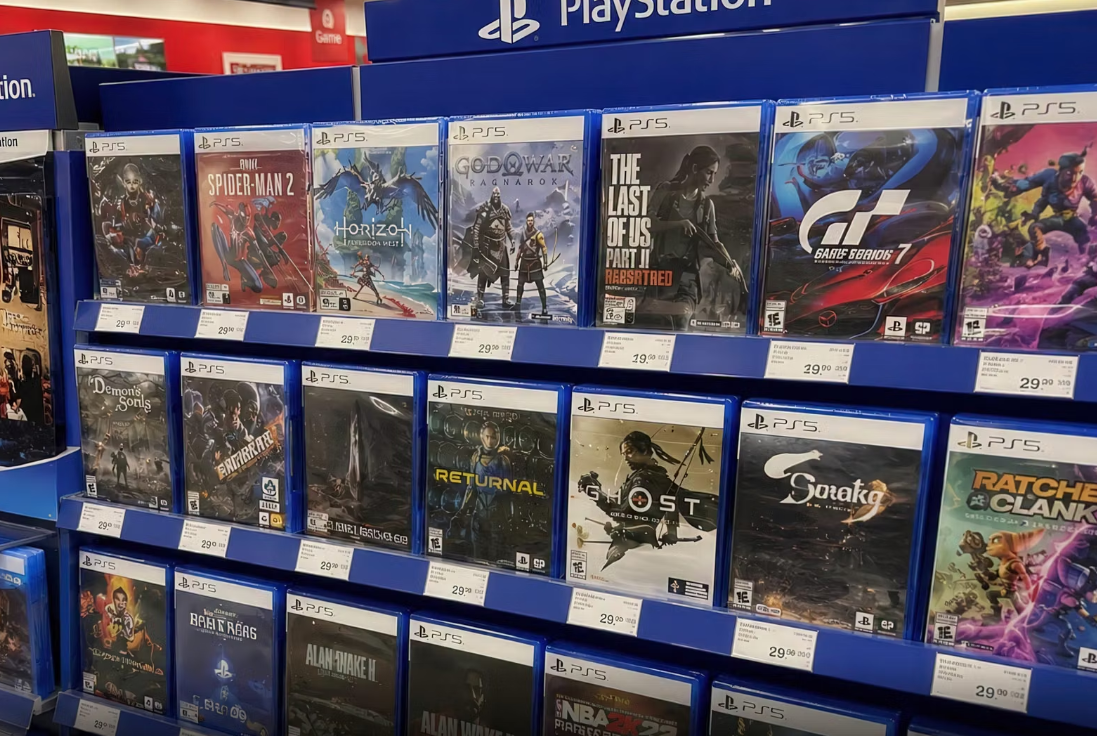
The picture is much weaker on PlayStation. According to Circana, by mid-July only seven games across currently active PlayStation platforms had managed to sell more than 100,000 physical copies in the United States during 2026.
For one of the biggest console ecosystems in the world, that is already a significant sign of how narrow the physical market has become.
Does This Mean Physical Games Are About to Disappear?
Not necessarily, but their role is almost certainly going to keep changing.
For the average player, digital versions are more convenient. They are also attractive to publishers because there are no discs to manufacture, boxes to print, shipments to manage, or retail shelves to negotiate for.
Physical copies still offer several advantages that digital distribution cannot fully replace:
-
the ability to resell a game after finishing it;
-
access to cheaper second-hand copies;
-
the option to lend or trade games with friends;
-
collecting physical editions and special releases;
-
keeping at least part of a game library outside a platform holder’s digital storefront.
That is why the shrinking disc market matters even to players who already buy almost everything digitally. The weaker physical retail becomes, the fewer alternatives consumers have to the closed digital stores controlled by console manufacturers.
Is It Still Worth Buying Games on Disc in 2026?
If you usually finish a game once and then move on, a physical copy can still make financial sense because it can be sold or traded later.

Collector’s editions and limited releases can also be worth buying physically if building a tangible game library matters to you.
However, the advantage becomes much smaller for games that require a constant online connection, huge updates, or the download of most of their content from external servers.
Physical Games Are Becoming a Niche Rather Than Vanishing Overnight
The $85 million figure looks dramatic, but the real conclusion is not that “discs are dead.” The market appears to have crossed a line where physical games are no longer the default way to buy new releases and are instead becoming a separate niche.
Nintendo is still helping keep that niche alive, while physical releases on PlayStation and especially Xbox continue to lose ground to digital distribution. If the trend continues, the bigger question over the next few years may no longer be when discs will disappear, but what players could lose alongside them: resale rights, independent retail competition, and a genuine alternative to closed console storefronts.
For players, that may ultimately matter far more than another record-low monthly sales figure.