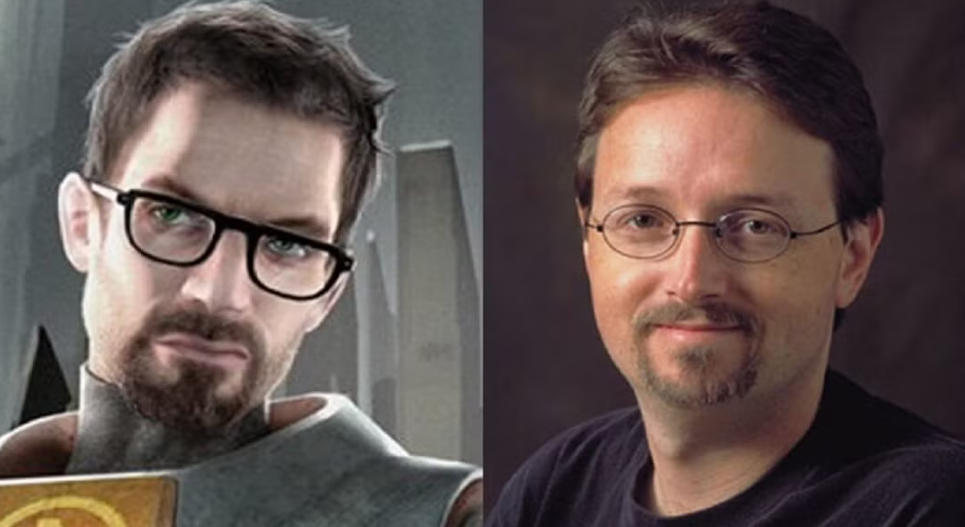
Gabe Newell stopped being just the head of Valve a long time ago. Online, he’s become something closer to a myth: part recluse, part genius, the man who supposedly decides, all by himself, whether Half-Life 3 will ever happen. Memes, theories, near-deification. And now one of the few people who actually worked next to him every day has come forward to say: you’ve all been picturing the wrong guy.
That’s Chet Faliszek — the writer behind the dialogue in Half-Life 2, Left 4 Dead, Portal, Team Fortress 2, and Counter-Strike: Global Offensive. He spent 12 years at Valve before leaving in 2017. Years later, in a new video on his own YouTube channel, he finally laid out what it was actually like working with Newell day to day, and why he eventually decided it was time to move on.
What came out of it isn’t so much a corporate news item as a rare look behind the closed door of one of the industry’s most secretive studios.
Table of Contents
What the Half-Life and Left 4 Dead Writer Remembers About Gabe Newell
The first thing Faliszek stresses is that the Newell people have built up in their heads barely overlaps with the actual person he worked with. In his telling, the “Gabe” of internet legend and the “Gabe” who’d casually invite him out for coffee just to talk are two different people.
Faliszek recalls that their interactions rarely felt formal. They’d go out for lunch or dinner and spend hours hashing out specific creative questions — like why Left 4 Dead deliberately has no scripted story in the traditional sense. This wasn’t a one-off, either; by his account it was routine: the head of a company worth tens of billions of dollars personally working through writing decisions with the guy who wrote the dialogue.
Faliszek also points to an almost family-like closeness: he remembers going to the movies with Newell, with Gabe’s kid sitting on his lap during those outings. As he puts it, that “regular guy” is the only Gabe he actually knows — not the mysterious figure the community has spent years building theories and memes around.
That detail matters for understanding Valve’s famous flat structure: if Faliszek’s account holds up, it wasn’t just a principle on paper about “no bosses” — it shaped day-to-day human relationships between top leadership and the people writing the games.
Why the Gap Between the Newell Myth and Reality Got So Big
Valve is notorious for its secrecy: the company rarely gives interviews, doesn’t hold open press conferences, and Newell only shows up publicly on his own terms. In that information vacuum, the community has spent years piecing together an image out of scraps — old clips, stray quotes, rumors about the status of unannounced projects. An account from someone who spent 12 years working next to Newell every day is a rare chance to check the myth against reality, which is exactly why testimonies like this spread so fast through gaming communities.
Why the Left 4 Dead and Portal Writer Left Valve After All
On paper, it doesn’t add up: a comfortable atmosphere, close ties with leadership, credits on some of the most beloved franchises in gaming — what would make someone walk away from that? Faliszek’s answer is disarmingly simple, with zero drama attached. He just wanted a change. No falling-out, no dramatic exit — just the ordinary itch to try something new after more than a decade in one place.
He also admits to something else: what he genuinely loved was the moment a game shipped — that rush when a project finally reaches players after months or years of work. That detail explains a lot about his career since: after Valve, Faliszek didn’t step away from the industry at all, continuing to work on games at other studios. In other words, leaving was a change of address, not a break-up with the craft itself.
What This Says About Careers at Major Game Studios
Faliszek’s story is a good excuse to knock down another assumption: that people only leave a dream studio because of burnout, toxicity, or creative clashes. Sometimes the reason is far more mundane — plain professional curiosity and the pull of a new context. In an industry where toxic studio culture regularly makes headlines, the calm, grateful tone of Faliszek’s story stands out against that backdrop.
What Chet Faliszek Wrote for Valve: Key Projects
To weigh his words properly, it helps to look at what he actually worked on inside the company. Below are the main projects he contributed to as a writer or narrative designer.
| Game | Year | Faliszek’s Role |
|---|---|---|
| Half-Life 2: Episode One / Episode Two | 2006–2007 | Writer |
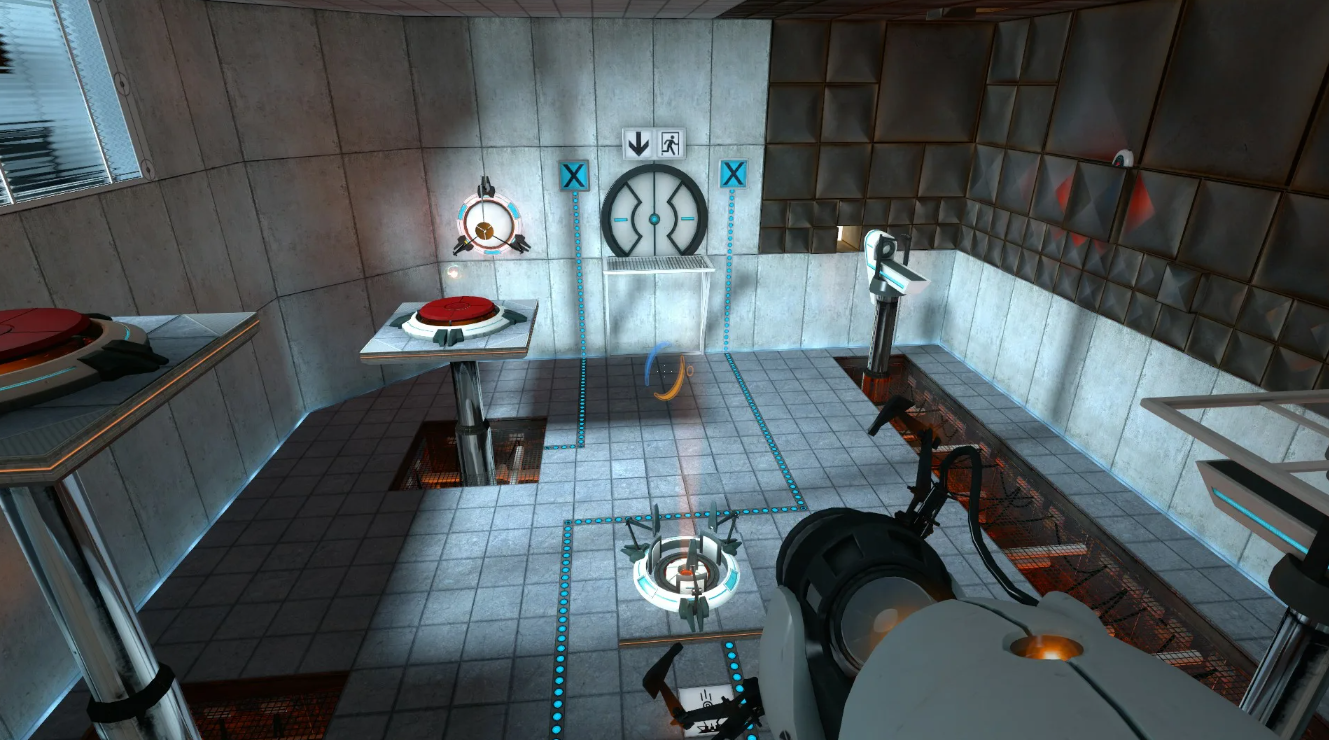
| Portal | 2007 | Writer, contributed to GLaDOS’s signature humor |
| Left 4 Dead | 2008 | Lead writer, de facto project lead |
| Left 4 Dead 2 | 2009 | Writer |
| Portal 2 | 2011 | Writer |
| Counter-Strike: Global Offensive | 2012 | Worked on narrative elements and community features |
That’s exactly why his comments about Newell carry more weight than an outsider’s casual opinion — this is someone who watched the process from the inside across several flagship releases in a row.
What This Interview Means for Players and the Industry
For the average player, revelations like this aren’t just a fun fact to bring up with friends. They’re also a partial answer to a question that’s hung over the community for years: what’s Valve actually like on the inside, given how little the company shares officially?
A few practical takeaways from Faliszek’s account:
-
The myths built around public figures in the industry often don’t match reality. A company’s secrecy breeds speculation, and insider accounts from former employees are one of the few ways to check it.
-
Valve’s flat structure appears to genuinely shape how leadership interacts with the team — down to personal, friendly relationships, not just formal decision-making.
-
Key creators leaving a studio isn’t automatically a red flag. Sometimes it’s just ordinary career movement, and it shouldn’t be read as a sign something’s wrong.
-
Writers like Faliszek continue to shape the industry’s conversation even after leaving Valve — he remains a notable voice whose take on development and the industry still draws attention.
What to Watch For Next
Candid videos from former Valve employees don’t come around often, and each one draws outsized attention precisely because of the information vacuum surrounding the company. Faliszek is unlikely to be the last one willing to share memories like this — the more time passes since he left, the more freely he seems willing to talk about details that once might have stayed behind closed doors.
For players, the main takeaway is to take the cult of personality around Newell a little less seriously, and pay a bit more attention to the real stories of the people who actually made the games they love. And for anyone following the industry more broadly, it’s a reminder that even the most closed-off studios eventually crack the door open — even if not entirely on their own terms.