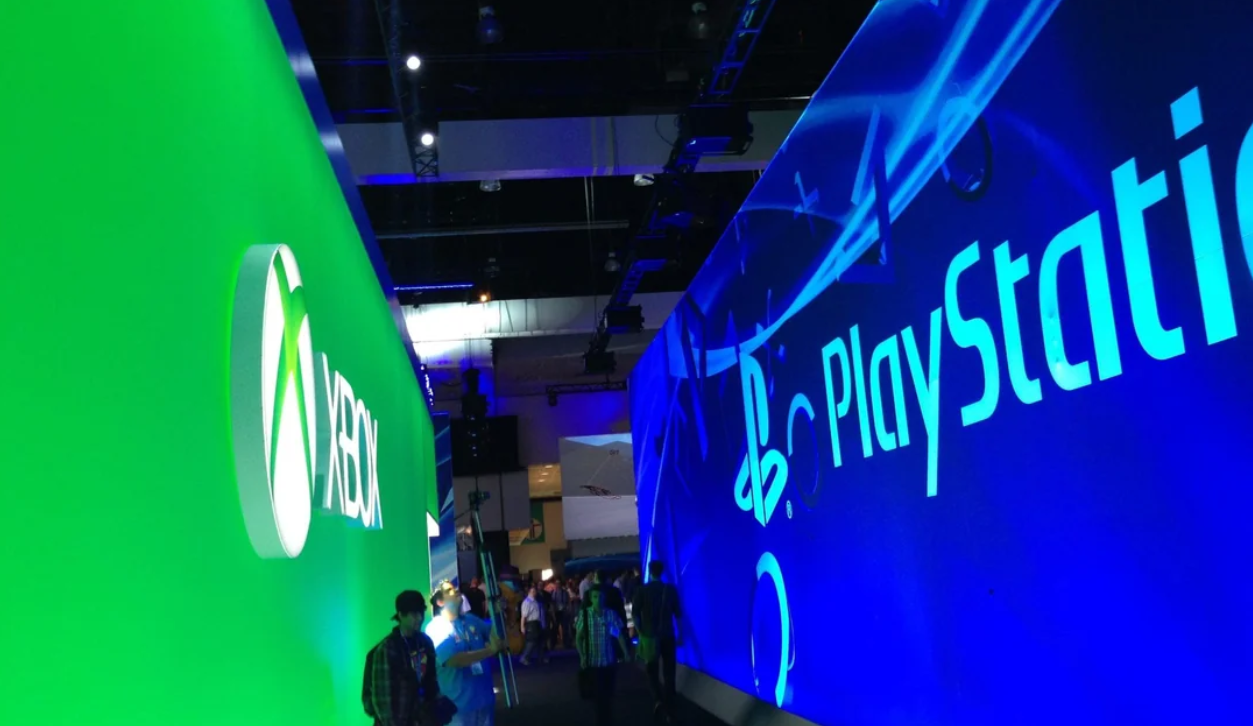
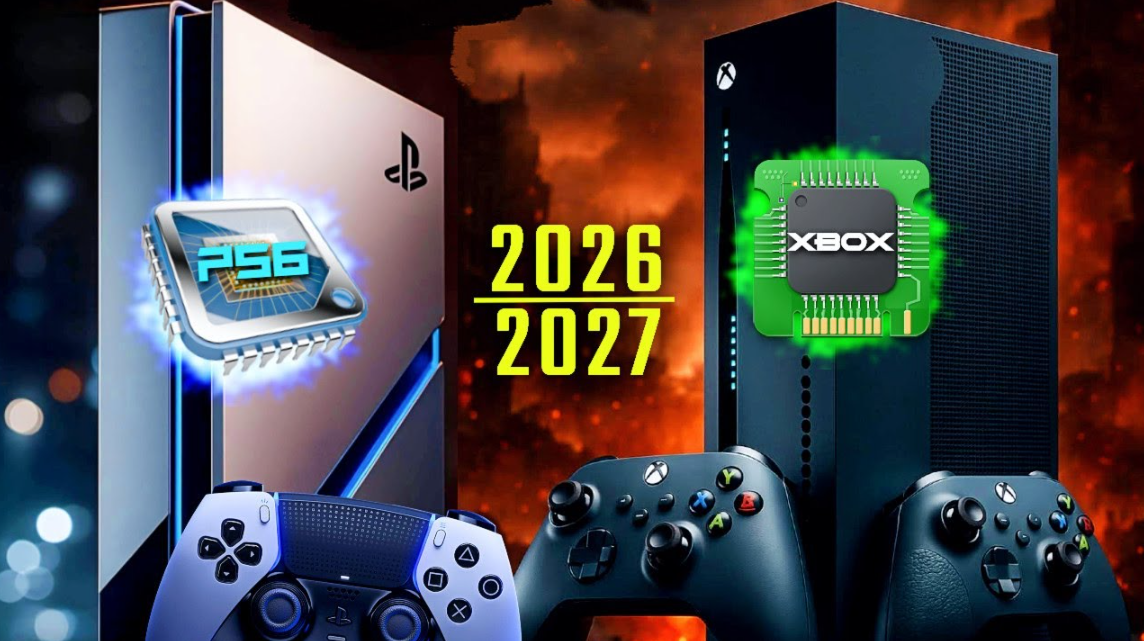
Ampere Analysis analysts predict a challenging start for the PS6 and Xbox Project Helix. A $1,000 price tag by 2028 could slash sales by 38% compared to the current generation in the first five years. The combined losses in the gaming and subscription markets by 2031 are estimated at $3.4 billion if console prices don’t drop. The reason is simple: memory and storage are becoming more expensive, and Sony and Microsoft are forced to factor this cost into retail.
Table of Contents
$1,000 Price: A Risk for the Mass Market
Expensive components aren’t the only factor pushing prices up. Production chains, logistics, and the development of new manufacturing processes all exceed the typical budgets even for industry giants. But while the PS5 and Xbox Series X launched at $499, a jump to $1,000 is a completely different ballgame. The mainstream gamer simply won’t be able to afford such a price, especially in an inflationary environment, when every purchase becomes a calculated decision. Ampere’s extensive data set shows that demand elasticity in this segment is much higher than commonly assumed, and even a small price reduction could dramatically change the picture.
How Sony and Microsoft Can Soften the Blow?
In their report, the analysts outline three scenarios, each requiring sacrifices. The most obvious is to delay the release by a year or a year and a half to wait for memory and storage costs to drop. However, such a move is risky: competitors are on the alert, and gamers are hungry for new hardware. The second option is to keep the 2028 release date but aggressively subsidize the hardware through digital content and subscriptions. This already resembles the model Microsoft is exploring: Project Helix, according to leaks, will not just be a console, but a hybrid PC and console with expanded monetization through the app store and cloud services. Sony, for its part, is revising its disc strategy accordingly—there are rumors of an all-digital PS6 without a disc drive, which would shave some of its costs. The third path is to focus on radical innovation: not just a graphical leap, but new forms of interaction (VR, AI assistants, instant scene loading). But this requires time and money, which publishers are already short on.
Xbox Helix: A Hybrid Approach as a Response to the Challenge
Microsoft appears to have already chosen its path. Helix, dubbed the “console-PC,” promises to feature not only powerful hardware but also an open ecosystem—games from Steam, the Epic Games Store, and its own store with cross-platform support. This could potentially be perceived as a classic “boxed” console. Analysts believe that this flexibility will justify the high price tag for enthusiasts, but the mass market will still remain uncertain. If Sony limits itself to graphical enhancements, it will be more difficult to convince buyers to part with $1,000. On the other hand, exclusives and the established PlayStation brand still work as a magnet—but that may not be enough. Bottom line: the market faces a difficult decision.
By 2028, the industry will face a fork in the road. No one wants to repeat the fate of the PS3, which launched with a high price and took a long time to catch up, and today competition is fiercer and the audience more discerning. If Sony and Microsoft can’t find a way to maintain the price at least at $700–$800, the first five years of the new generation will be hampered. But for now, these are just forecasts, and there’s still time. We’ll see whether cheaper models or game-changing cloud solutions will seize the initiative.