The Witcher 3 could have become even more lively—but the developers encountered a horrific bug that forced them to abandon their ambitious NPC fear system.
Initially, CD Projekt Red wanted ordinary citizens to react realistically to threats: dropping what they were doing, dropping objects, and running away in panic. It sounded logical—until mothers with babies were added to the game. Philipp Weber, a quest designer on The Witcher 3, recalled in a recent interview the very moment the mechanics devolved into black comedy.
Table of Contents
Why the NPC fear system in The Witcher 3 became a horrific bug
The idea was that when danger appeared, an NPC would abruptly stop what they were doing and flee. Simply drop the object, turn around, and run. But the system couldn’t distinguish what the character was holding. Women rocking their babies to sleep would instantly drop their infants and run away when the trigger was triggered. Weber admits that over several weeks of testing, they watched as “mother after mother simply dropped their children.” The effect was so terrifying that the developers quickly realized this reaction couldn’t be left in the final version.
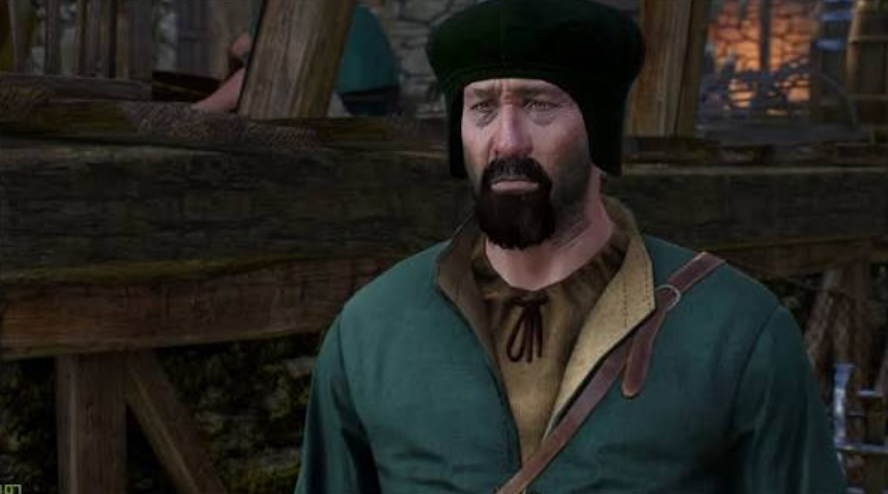
Ultimately, the system was abandoned entirely. But this incident is more than just an anecdote. It vividly illustrates the pitfalls open-world creators face when trying to bring every corner to life. In The Witcher 3, they wanted even the smallest village to feel alive: peasants working, merchants shouting, children running around. However, any increased complexity in behavior created a chain of unpredictable consequences, forcing the developers to find a balance between realism and playability.
The Challenges of Creating a Living World: CD Projekt Red’s Experience
Weber also mentioned that the team paid close attention to the “population” of large cities. Take Novigrad’s port, for example—it had around 200 possible spawn points, even though there were only 50 active sailors. This ensured that characters didn’t crowd together in one place, but moved accordingly, creating the illusion of busyness. It’s a tribute to detail, but also a huge headache for optimization and behavior logic.
Interestingly, such problems aren’t unique to CD Projekt Red. Almost every studio that dares to build a crowd simulation system encounters ridiculous bugs. However, it’s precisely these stories that are remembered by fans as much as plot twists. One could say that the failed fear mechanic became further evidence that a perfectly living world is more of a myth than an achievable goal. But that’s the magic of development: even mistakes turn into invaluable experience.
Of course, if this system hadn’t been abandoned, we might now be discussing endless memes about falling babies, not the legendary plot of The Witcher 3. Fortunately, common sense and meticulous testing promptly showed the developers that not everything that looks cool on paper is worth bringing into the game.