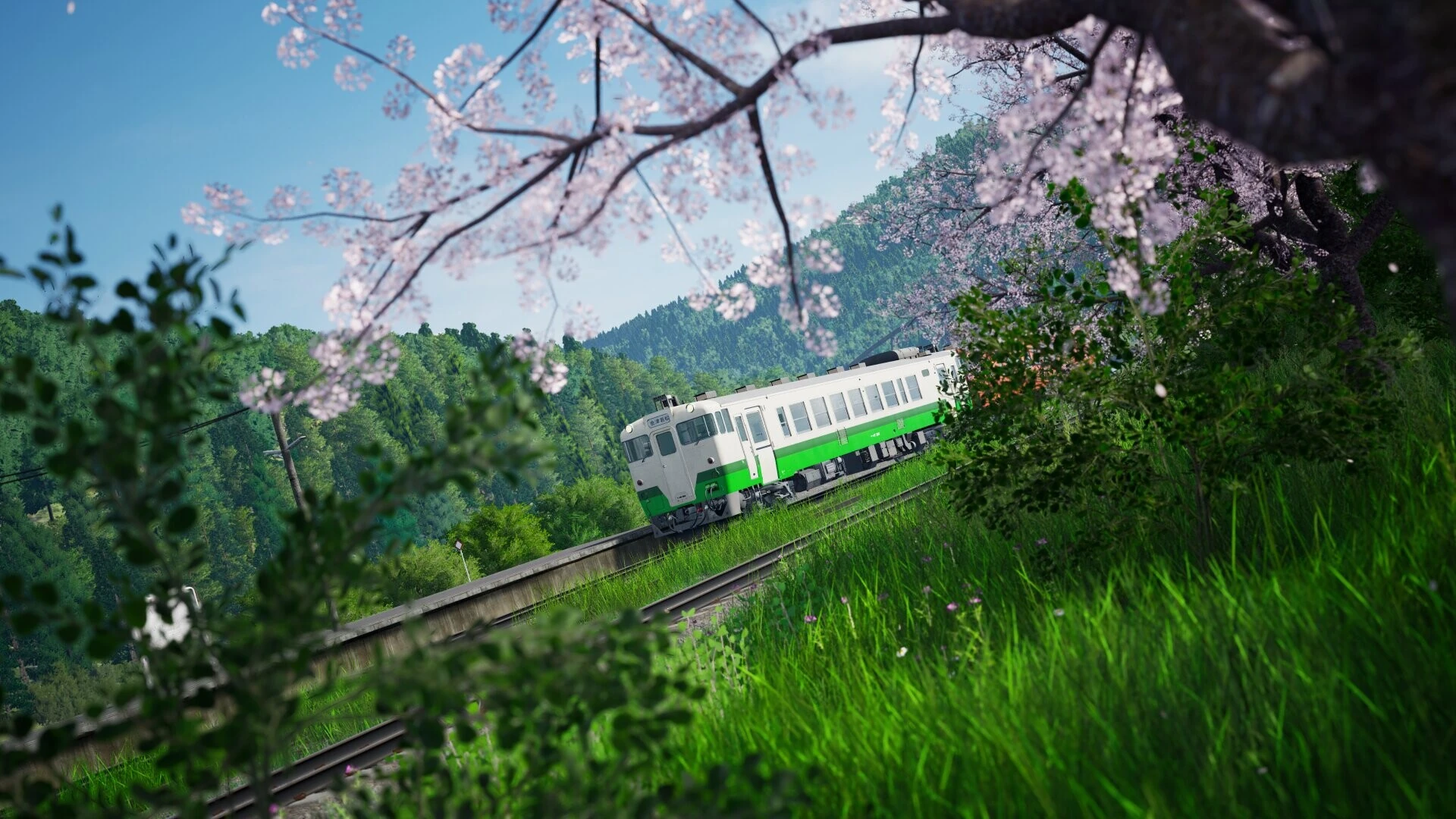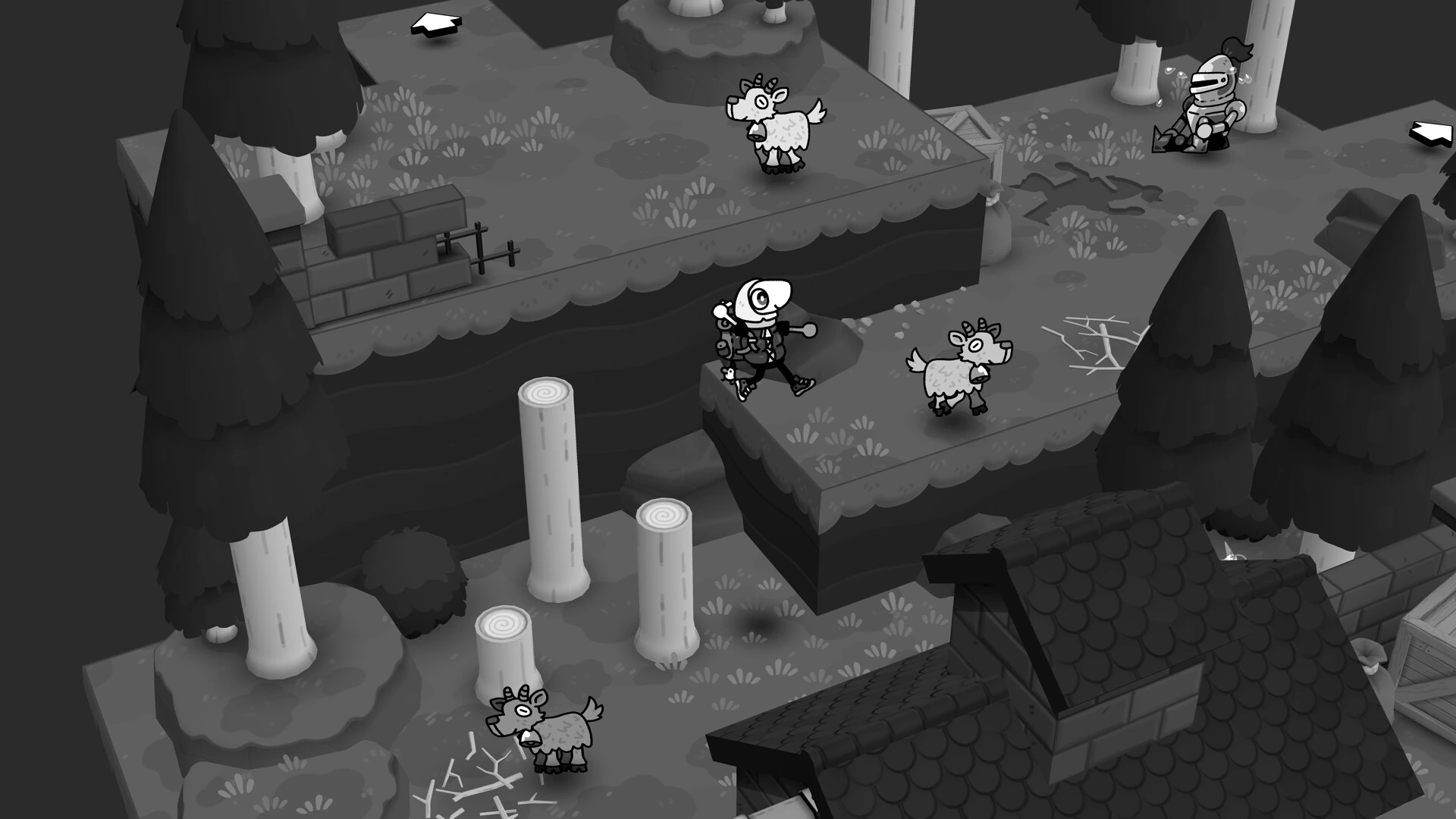
TOEM 2 is now available on Steam as a single-player photography adventure with achievements, cloud saves, a playable demo and Russian text. The sequel keeps the original game’s calm structure: the player explores at their own pace, photographs unusual events and helps residents instead of racing a clock. New camera tools, accessories and collectible stamps expand the puzzle vocabulary, while each completed request opens another reason to examine the same place from a different angle.
Table of Contents
The Steam release is designed for both newcomers and returning players
Something We Made describes TOEM 2 as a new journey rather than a continuation that requires a completed save. Returning players recognise the camera and hand-drawn monochrome world, while newcomers receive a fresh set of regions and characters. That separation matters because an observation game depends on curiosity. A player should not need to memorise the first title’s quest log before understanding why a photograph is useful.
The demo offers a practical way to test the pace and visual language before buying. Steam Cloud supports progress across PCs, achievements record optional discoveries and Family Sharing is listed. The game is also marked as Steam Deck Verified, which suits short exploration sessions, although text size and battery use should still be checked against each player’s handheld settings.
A photograph works as proof, not just decoration
Residents ask for help, but the solution often depends on recognising what the request really describes. A subject may appear only from a particular viewpoint, after another character moves or when a nearby detail enters the frame. Taking many random pictures can fill the album without advancing the task. The useful skill is to connect a clue to a place and then decide what the image must prove.
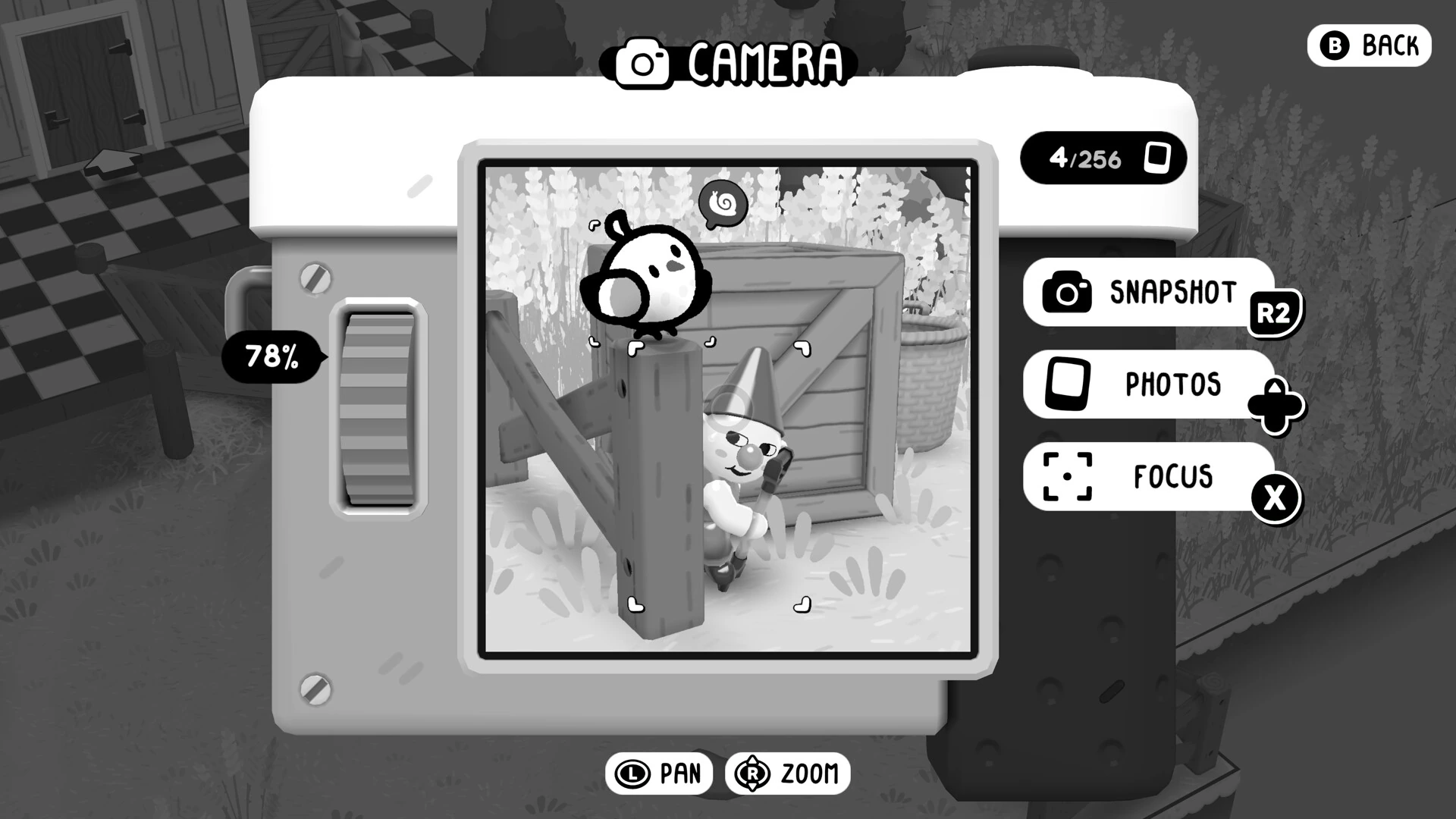
That gives the camera a clear mechanical role. Framing can isolate the relevant evidence, while zoom and position reveal relationships that are easy to miss while walking. The sequel can build more complex puzzles by asking the player to combine environmental changes with photography, provided the final result remains readable and does not depend on an invisible pixel.
New tools should expand observation rather than replace it
Camera accessories are most interesting when they change what can be noticed. A different lens can expose a distant detail; another tool can alter how a scene is documented or let the player interact with a subject safely. The tool should answer a category of problem, not become a universal button that solves every request after it is unlocked.
Good progression therefore alternates between access and understanding. Reaching a new platform may reveal the subject, but the player still needs to choose the correct angle. Receiving an accessory may make a clue visible, but it should not identify the answer automatically. This balance preserves the pleasure of discovery while preventing later regions from repeating the same basic snapshot.
| Steam feature | Status |
|---|---|
| Mode | Single-player exploration |
| Trial | Playable demo available |
| Progress | Achievements and Steam Cloud |
| Handheld | Steam Deck Verified |
Stamps turn completed requests into a route through the world
Helping residents earns stamps that open additional areas. The system gives each small story a purpose beyond a checklist: several local problems together create enough progress to continue the trip. A player can choose which request to solve first and return when a clue finally makes sense. Because there is no time limit, leaving a difficult scene is part of the intended rhythm rather than a failure.
The best hub design makes earlier locations worth revisiting. A new accessory may reveal an event that was visible but unreachable, or a character encountered later may clarify an old request. The stamp total then measures growing familiarity with the world, not merely the number of icons removed from a map.
Sound and animation help a monochrome world stay legible
TOEM’s black-and-white style gives it a strong identity, but similar tones can hide an important subject. Movement, silhouette and sound therefore need to guide attention without placing a bright objective marker over the answer. A distant noise can suggest where to turn, while a repeated animation can tell the player that an ordinary-looking object is part of an event.
Accessibility options are equally important in a game about visual discrimination. Clear interface contrast, adjustable volume categories and comfortable camera controls let the puzzle remain about observation instead of physical strain. The relaxed pace helps, but it does not remove the need for readable feedback when a photograph is accepted or misses one required element.
The sequel succeeds when each image records a small decision
A photo collection becomes memorable when the pictures explain how the player understood a place. One image may document a solved request, another a strange event found without a prompt, and a third a composition chosen only because it looked good. Allowing all three gives the camera value after the formal objectives are complete.
TOEM 2 arrives on Steam with a focused promise rather than a large systems list. It offers a new world to inspect, tools that alter how evidence is gathered and a progression route built from helping people.
The demo makes that promise easy to verify: players can decide whether the quiet pace and observational puzzles fit them before committing to the full trip.