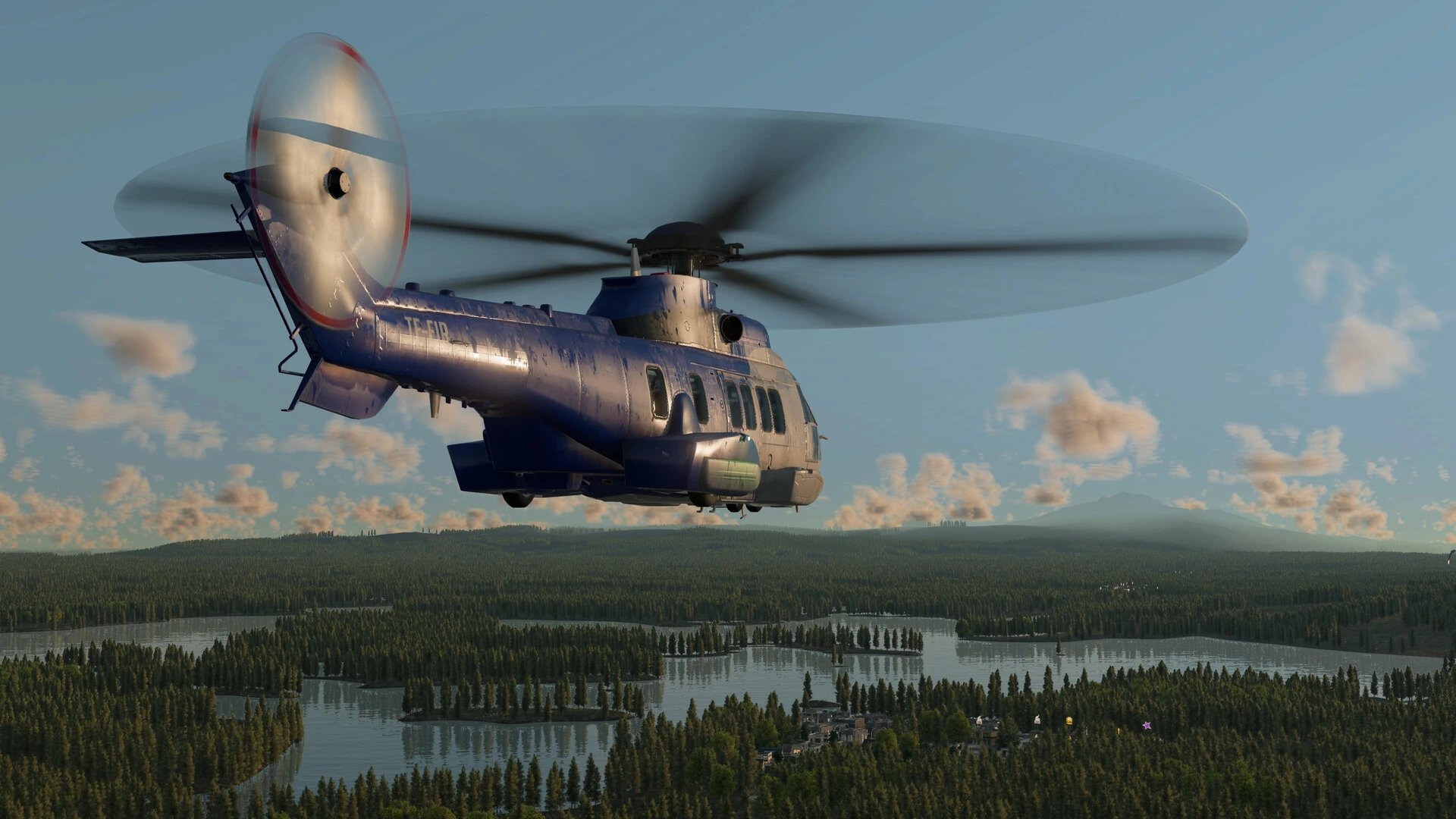
Transport Fever 3 launches on Steam on September 29. Urban Games is expanding its transport simulation with larger maps, more detailed industries and passenger behaviour that makes route planning depend on useful connections rather than the number of vehicles alone.
Table of Contents
Steam players can begin with a campaign or a free network
The campaign teaches the new systems through structured objectives, while the sandbox gives direct control over terrain, economy and company growth. A profitable transport company begins with a complete chain, not the largest possible map. One raw material, one processing step and one reachable customer give the player a clear way to see where money or cargo is being lost. A simple naming system for lines and stations becomes valuable as the company grows. Clear labels shorten troubleshooting because the player can identify the delayed corridor without opening every vehicle list in the region.
A new player benefits from learning line frequency and station coverage before attempting a very large region. Industry growth can expose a route that was only barely adequate. Leaving room for a second platform or a longer train prevents a successful line from becoming impossible to expand after the surrounding city has filled the space.
Cargo chains need complete connections
Raw materials only create reliable income when every transfer, processing site and final destination has enough capacity. Timetables should be judged through waiting cargo and missed connections rather than through vehicle count alone. A smaller, well-spaced fleet can outperform a crowded line whose vehicles repeatedly block one another.
Adding more trucks to one leg can worsen congestion without fixing a missing train or ship connection elsewhere. Passenger lines need a useful destination as well as frequent vehicles. A station beside many homes can still fail if jobs, shops or transfers remain too far away at the other end of the route.
Passenger demand follows useful travel
Citizens compare routes, waiting times and destinations, so a dense timetable is valuable only when it connects places people actually need. Larger regions make division of labour between transport modes more important. Trains and ships can move heavy volumes over distance, while road vehicles handle the shorter connection that would be inefficient for a large terminal.
A direct service can outperform a larger network if transfers are slow or stations sit too far from homes and jobs. Freight and passenger traffic should not be forced through the same small junction when each has a different rhythm. Separating the slow cargo turn from the frequent local service can improve both lines without buying another vehicle.
Larger regions reward mixed transport
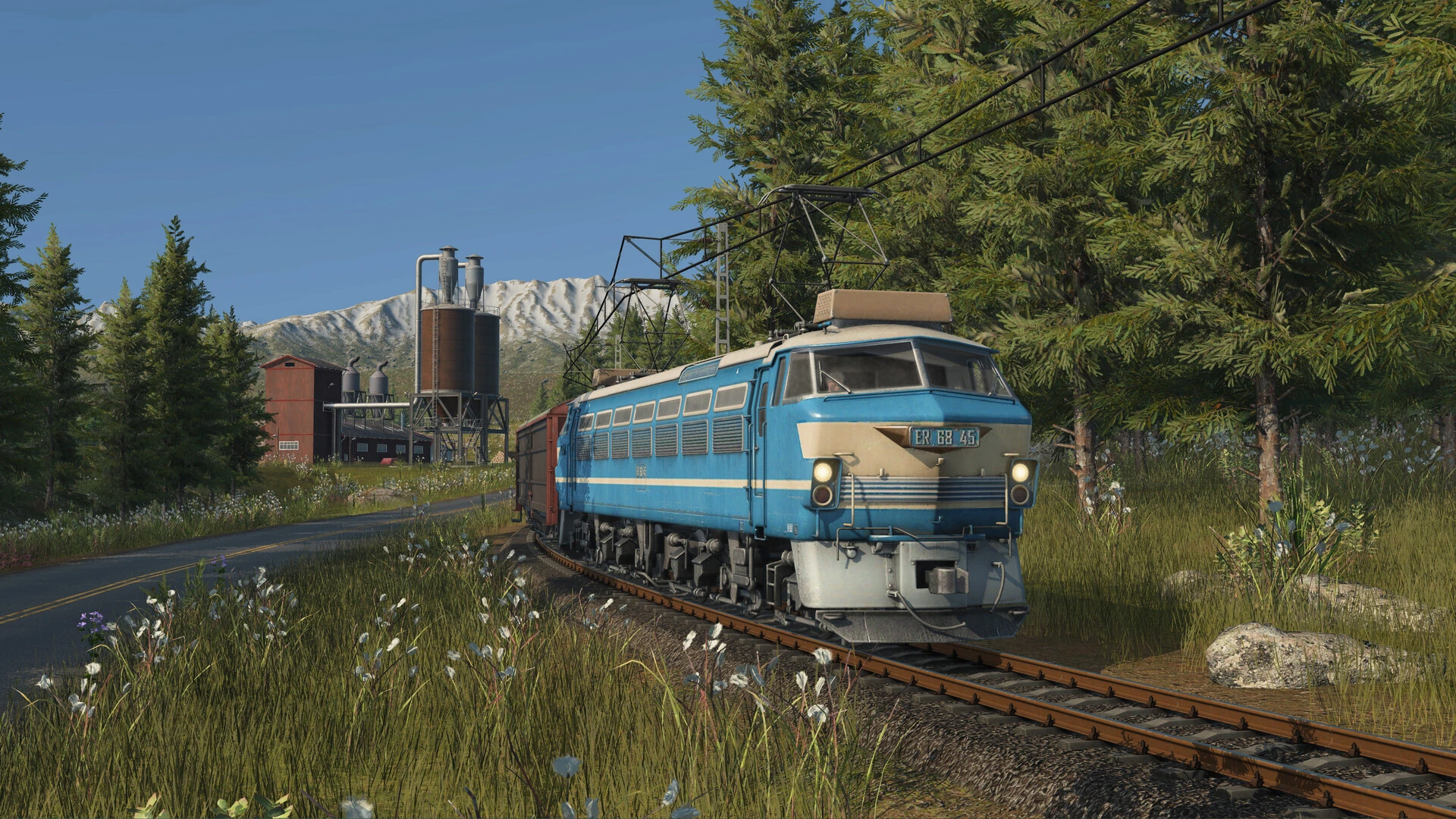
Road, rail, sea and air links can divide long-distance movement from local distribution. Financial reserves make network improvement safer. Spending the full balance on an ambitious railway can leave no money for replacement vehicles or the short road link required to make the expensive terminal useful.
The network becomes expensive when several modes duplicate the same task instead of serving different distances and capacities. Congestion should be diagnosed before more vehicles are purchased. A queue may come from a narrow junction, a slow loading point or several lines sharing one platform, and each cause requires a different correction.
The first save should stay manageable
Starting with one profitable cargo chain and one clear passenger corridor creates a stable base for later expansion. Campaign missions offer structured objectives for learning the new systems. Sandbox play removes that guidance and is better suited to players who already understand frequency, capacity and the effect of station coverage.
Regular saves before rebuilding a junction make it easier to recover if a change blocks traffic or interrupts an industry. The release will be strongest when larger maps remain understandable at several zoom levels.
Players need a regional view for strategy and a close view for signals, platforms and the exact source of a bottleneck.