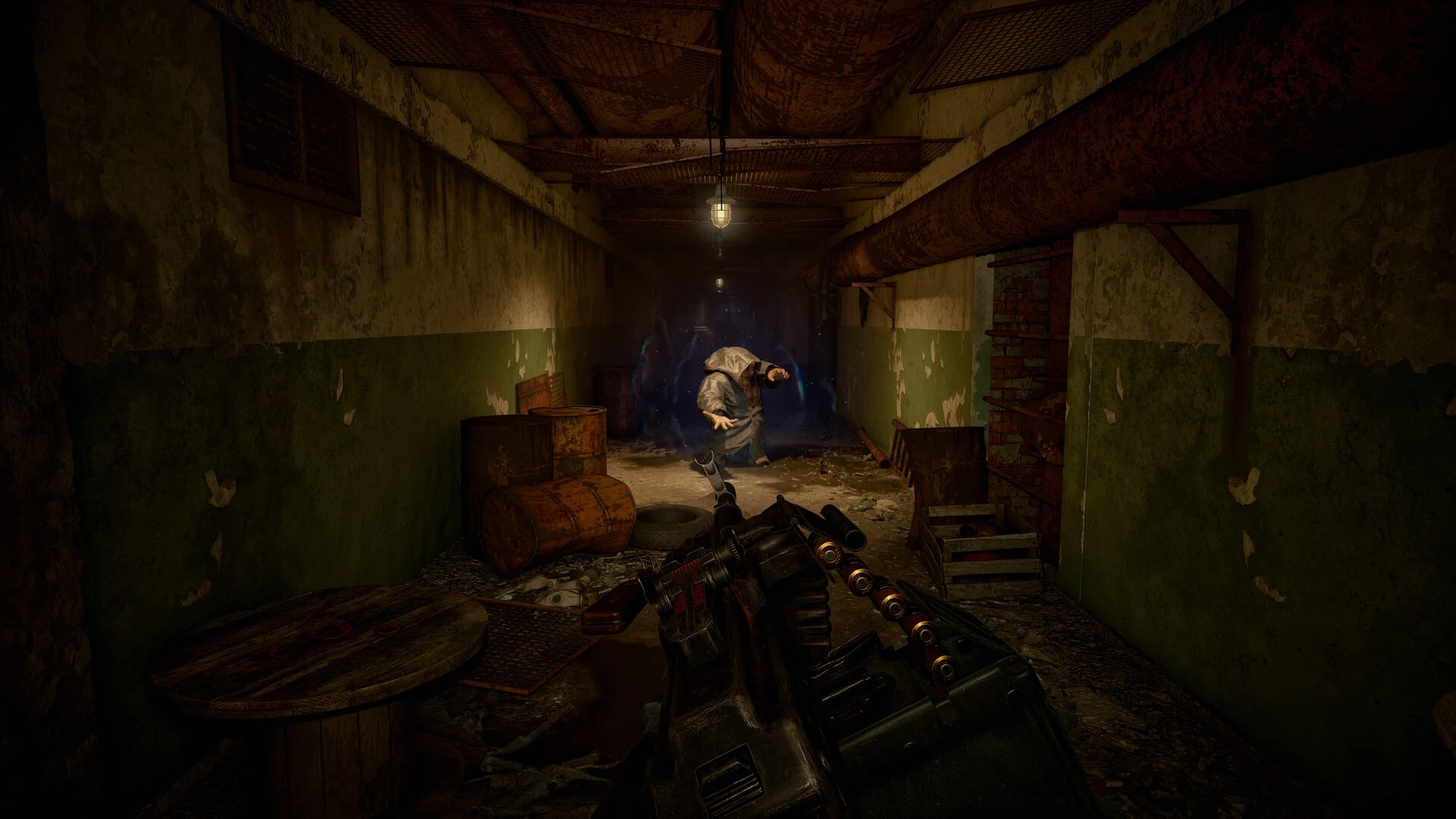
S.T.A.L.K.E.R. 2: Heart of Chornobyl has received patch 2.0.6 on Steam. GSC Game World backported several fixes for crashes linked to AMD graphics hardware and addressed other high-priority failures. The patch is small in scope, but it matters because it focuses on interruptions that can end a session or block progress rather than adding another layer of content.
Table of Contents
Steam players receive a focused stability update
Patch 2.0.6 is available through the existing Steam installation. It does not require a separate edition or a new save. Steam applies the files to the main game, after which the version can be checked from the menu before an old campaign is resumed. This makes the update relevant to current players rather than only to people starting a new run.
The narrow change list is useful here. GSC Game World identifies AMD-related crashes and other high-priority failures as the target instead of presenting the patch as a broad performance upgrade. Players should therefore judge it by whether a repeatable crash disappears, not by expecting every frame-rate or quest problem to change at once.
AMD crash fixes were brought into the current build
The studio says that several fixes for crashes involving AMD graphics processors were backported. In practical terms, completed corrections from another development branch were adapted for the released version. That can shorten the wait for a stability repair, although it still requires testing against the exact driver, location and save state that produced the original failure.
A useful check starts with the same route that previously caused trouble. The player should keep the graphics preset unchanged, load the same save and repeat the transition or fight. If the session remains stable, the result is more informative than changing the driver, settings and modifications at the same time. One controlled test makes the comparison easy.
Modified installations need a clean first test
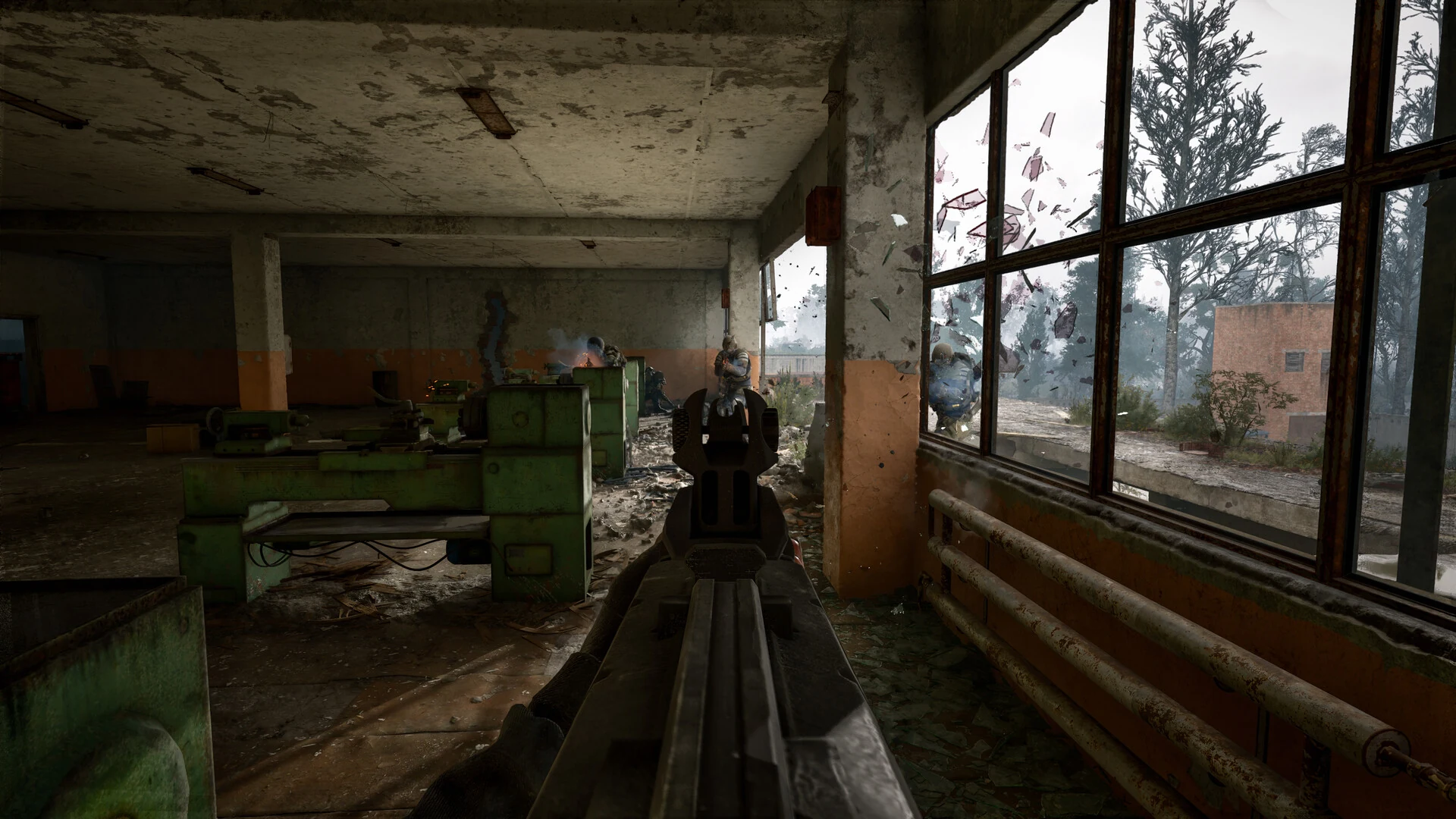
GSC Game World warns that game updates can make existing modifications incompatible. A mod can alter scripts, assets or configuration files that the new build also changes. If the game begins crashing after the patch, disabling mods before blaming the update is the most reliable first step. A clean launch separates the official build from third-party changes.
Save backups remain sensible before removing a large mod collection. Players should record which additions were active and restore them in small groups only after the unmodified game has completed a stable session. This method takes longer than enabling everything at once, but it identifies the exact conflict and protects the campaign from repeated failed loads.
Deluxe and Ultimate edition upgrades are discounted on Steam
Steam is also running a temporary discount on upgrades to the Deluxe and Ultimate editions through September 30. The offer reduces those upgrade prices by thirty percent. It should not be confused with a permanent reduction for every version of the game, so owners need to check the product named in the store basket before paying.
The patch itself is part of the normal game update and does not depend on buying an upgrade. Deluxe and Ultimate content should be considered separately from the technical fix. That distinction matters for players who only want a more stable installation: they can download version 2.0.6 without changing the edition they already own.
A reliable report needs a repeatable sequence
If a crash remains, the most useful support report describes the exact location, action and hardware configuration. A recent save, graphics driver version and a short list of active modifications give the support team evidence that can be reproduced. General statements about instability provide less guidance because several unrelated faults can produce the same return to the desktop.
Patch 2.0.6 is best understood as a targeted maintenance release after the larger 2.0 changes. It does not claim to redesign the Zone. Its value lies in keeping more Steam sessions stable, particularly on affected AMD systems, while the studio continues work on later updates. Players gain the clearest answer by repeating a known crash sequence. The strongest result would be regular play that no longer draws attention to the patch. A long trip across the Zone, a busy firefight and a save transition should pass without forcing the player to think about the graphics vendor or the recovery menu. A stable result is more valuable than a new graphics option for anyone whose campaign was interrupted by a repeatable crash.
It also gives later performance work a firmer base because the most disruptive failures have been isolated first.