VALORANT Champions Shanghai brings the season’s leading teams into a group stage where one difficult series does not immediately end a campaign. Four double-elimination groups feed an eight-team playoff bracket, while every match uses a best-of-three format until the lower final and grand final expand to best-of-five. The structure rewards recovery, map-pool depth and the ability to prepare for an opponent a second time without turning early matches into low-stakes exhibitions.
Table of Contents
The group bracket gives teams one route back
Each group begins with two opening series. Winners meet for the first playoff place, while the two losing teams play an elimination match. The remaining teams then contest a deciding series. A roster can therefore survive one defeat, but it cannot treat that defeat as harmless. The lower route adds another match and exposes more of the team’s map choices before the main bracket.
Double elimination also makes adaptation visible. A team that misreads an opening opponent can change defensive setups, veto priorities or pace for the next series. The adjustment must be specific. Repeating the same plan and hoping for cleaner aim rarely solves a structural problem. Coaches need to identify whether the loss came from map selection, weak opening duels or an inability to convert advantages.
Best-of-three play tests the usable map pool
A best-of-three series cannot normally be carried by one preferred map. The veto removes comfort choices and asks both sides to win on different layouts. A team with one exceptional composition may take an early lead, yet still need a more conventional answer on the next map. That makes preparation broader than studying the opponent’s most famous setup.
The order of maps matters as much as the list. Starting on a confident pick can settle nerves, while saving an uncertain battleground for the decider creates pressure if the series reaches it. Teams must also consider overtime and long tactical pauses when managing energy. A close first map can reveal more tendencies than a short win, even though both count as one point in the series.
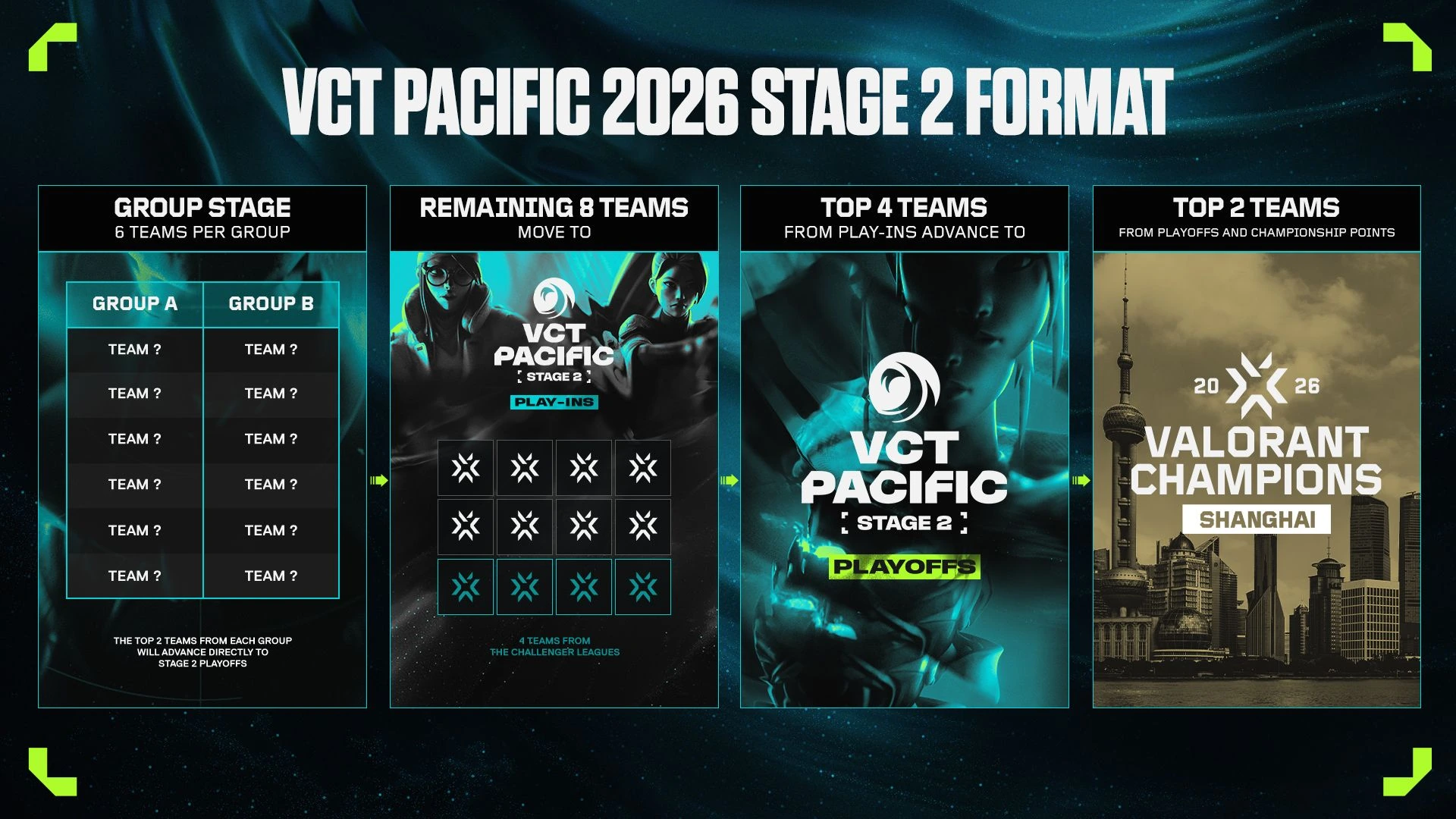
The playoff bracket removes the group safety net
Eight teams advance into the playoffs. From that point, the value of a complete tournament read increases because opponents arrive with several recorded series. Analysts can see preferred defensive rotations, pistol-round ideas and how a roster behaves after losing momentum. At the same time, teams can plant false expectations by varying a familiar opening.
Elimination pressure changes risk. A group-stage experiment may be worth trying when another route remains, while a playoff map often favours the plan a team can execute under stress. That does not require passive play. It requires knowing which aggressive move has preparation behind it and which one depends on surprise alone. The strongest teams keep a reliable base while reserving a few changes for decisive rounds.
Long finals reward recovery inside the same day
The lower final and grand final use best-of-five series. More maps reduce the chance that one narrow veto advantage decides the title, but they also test concentration and physical endurance. A roster may need to recover after losing its own pick, then enter another map with only a short break. Coaches have fewer opportunities to rebuild confidence away from the stage.
A deep map pool becomes valuable even when all five maps are not played. The threat of a strong fourth option can change the opponent’s bans and protect a preferred map earlier in the order. Subtle preparation around economy and ultimate usage also accumulates. By the late maps, both teams have seen each other’s habits, so disciplined variation can matter more than a completely new composition.
What viewers can follow without drowning in numbers
The simplest way to follow the tournament is to track three questions: which map each team protects in the veto, how it responds after losing a first half, and whether its defensive rotations remain calm in late rounds. Those signs reveal more than a long list of player statistics. Individual form matters, but VALORANT series are often decided by whether five players use information together.
Riot’s event guide confirms the group and playoff structure, match lengths and official viewing routes. Schedule changes can still occur, so viewers should use the live event page for the next start time. The format itself is stable enough to explain the competitive path: survive the group, carry a broad map pool into playoffs and be prepared to solve the same opponent more than once.