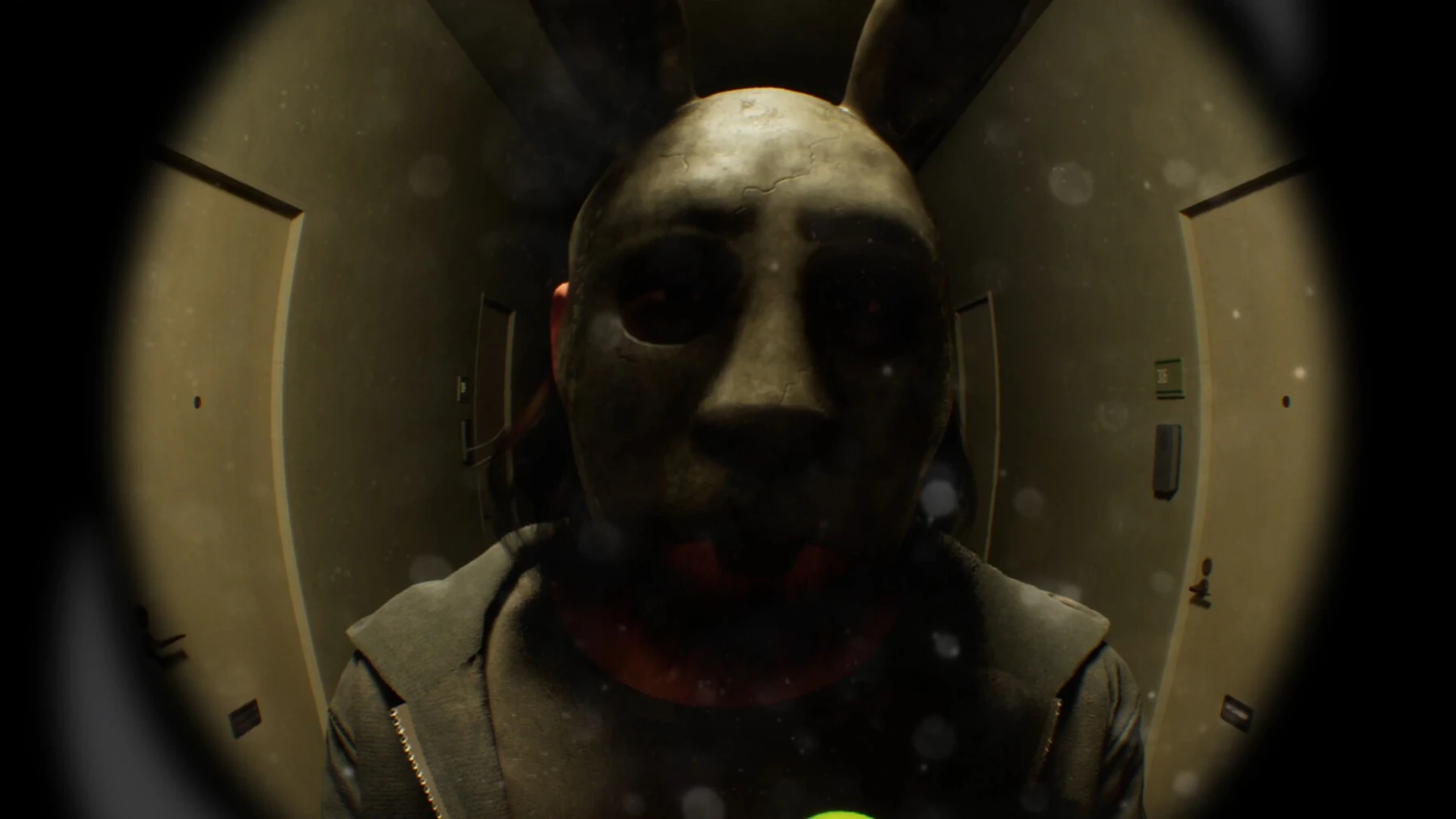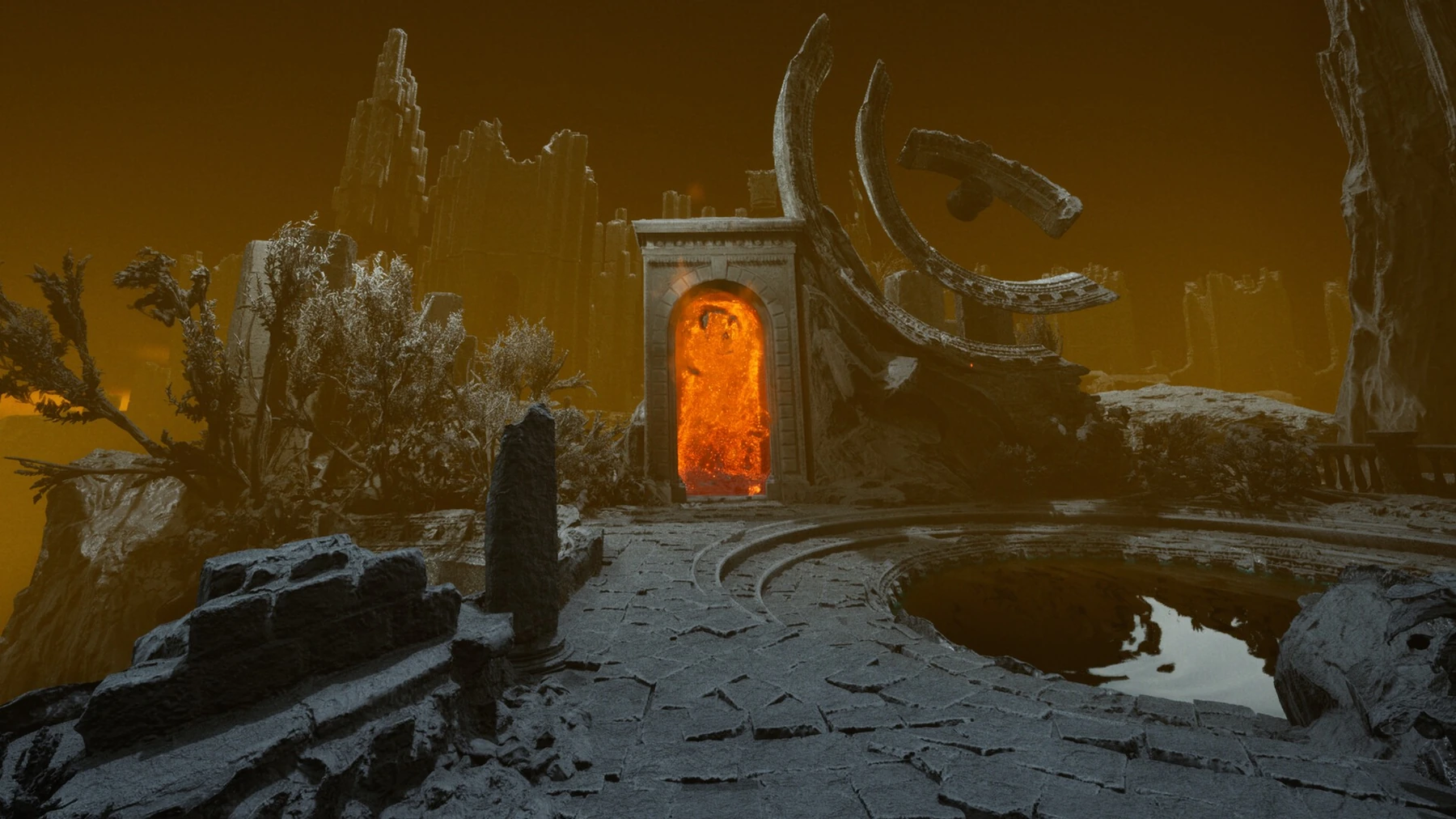
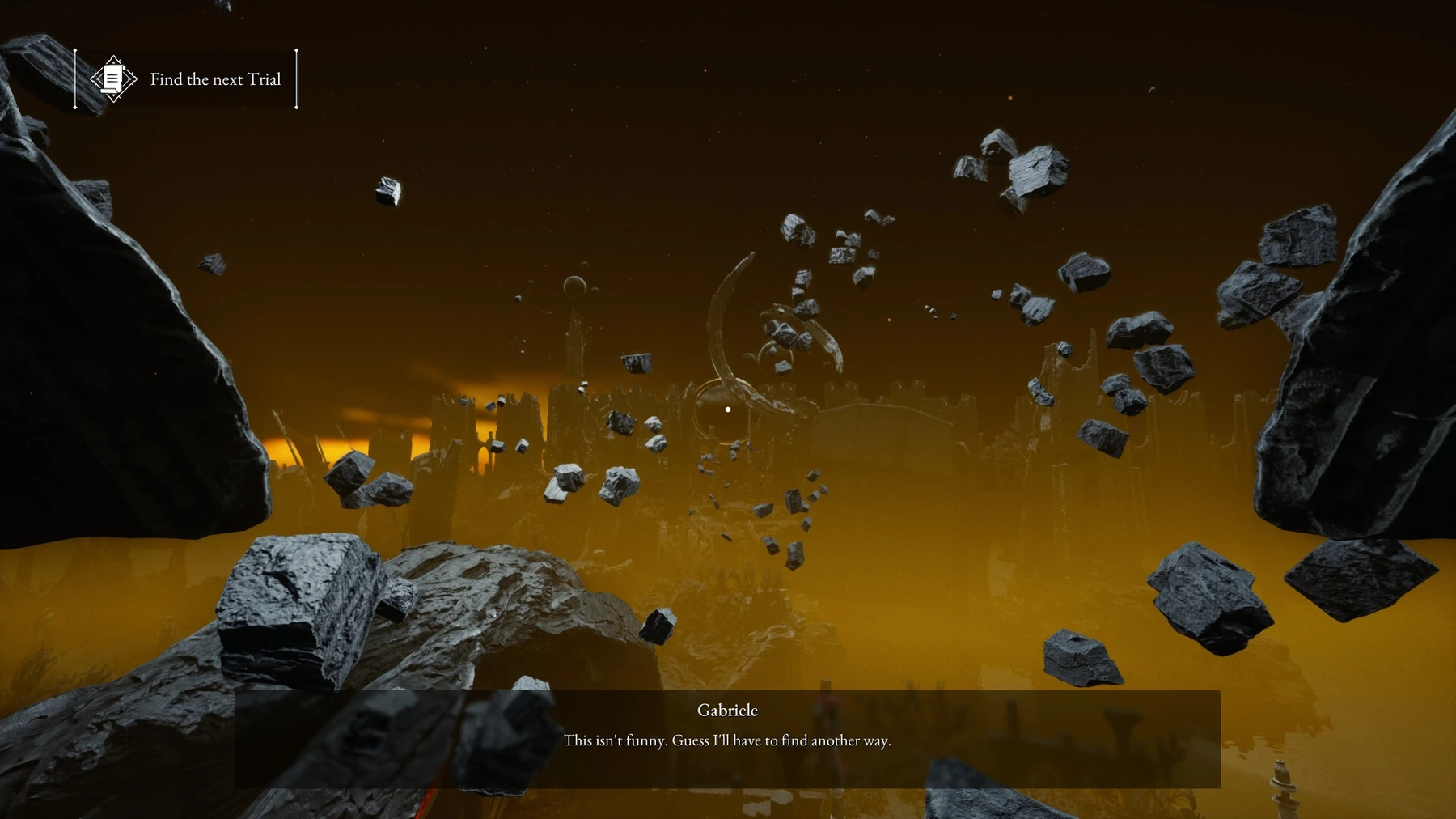
The Alighieri Circle: Dante’s Bloodline follows Gabriele Alighieri, who must return to his ancestral villa and renew a seal that separates ordinary reality from an infernal reflection. The psychological adventure has no combat. Progress comes from exploring the Villa and the Dive, recovering pages of the Divine Comedy, reading family records and solving thematic puzzles tied to memory and fear.
Table of Contents
Two realities should answer each other
The Villa and the Dive are more useful than separate visual themes when a detail in one changes the player’s understanding of the other. A family portrait may identify a symbol, while the distorted space may expose what a diary avoids saying. Players should compare rooms by layout and object position. The solution may depend on a difference rather than on an item hidden in isolation.
No combat places more weight on movement and sound
Without weapons, tension must come from uncertainty, timing and the consequences of entering a space. Footsteps, telephone calls and changes in the house can warn the player without explaining everything. Audio settings and subtitles are therefore part of comprehension, not optional decoration. A careful pace lets the player distinguish a designed cue from ordinary ambient noise.
| Layer | Confirmed role |
|---|---|
| The Villa | Physical family home and records |
| The Dive | Distorted reality linked to the ritual |
| Objective | Recover pages and renew the seal |
| Combat | None |
| Release | 10 September |
The missing pages create a concrete investigation
Recovering pieces of the Divine Comedy gives Gabriele a visible task inside a story about inherited fear. Each page should add information, enable part of the ritual or revise a family claim. Collectibles become weak when they only repeat atmosphere. Reading them near the place where they were found can connect text, architecture and the ancestor responsible for the hidden record.
Puzzles can use literary ideas without requiring a course
References to Dante should enrich the structure while remaining solvable from evidence inside the game. A player who knows the poem may recognize an extra layer, but the required symbol or order must be taught through the villa and recovered documents. This balance respects the source and prevents outside knowledge from becoming an unexplained key.
The 33-year cycle gives the family history a rhythm
A barrier that weakens every 33 years creates generations of preparation, concealment and failure. Dates in letters can show who performed the previous ritual and why Gabriele resisted the role. The cycle also limits coincidence: his return is connected to a known deadline. A clear chronology helps players separate supernatural events from family decisions made long before the current night.
Psychological horror needs limits around unreliable perception
A changing room can express Gabriele’s state, but the player still needs stable rules for interaction. Important objects should remain identifiable and completed actions should have readable confirmation. If every failure can be dismissed as unreliable reality, investigation loses meaning. The most effective distortion changes interpretation while preserving enough evidence to make progress.
The ritual is stronger when its cost is understood
Renewing a seal may protect the family and wider world, yet the inherited duty has already shaped several lives. Documents should reveal who paid the cost, who benefited and whether another solution was considered. Gabriele’s final act then becomes a decision supported by history. The player can understand why obedience, refusal or revision would each carry consequences.
A spoiler-light first session can still be methodical
Players can keep a short record of names, dates and recurring symbols without searching for an external answer. Photographing a puzzle too early may encourage random matching, while noting the evidence preserves the investigation. When the two realities begin to overlap, that record helps distinguish a deliberate family clue from an image introduced only to create unease.
Environmental detail carries the family argument
The condition of a room can say who preserved tradition and who tried to escape it. Repaired ritual objects, locked correspondence and ordinary possessions left behind each provide a different kind of evidence. Gabriele’s ancestors should not exist only in explanatory notes. Their choices become more believable when the villa shows the practical cost. Careful observation then supports both puzzle solving and the central question of whether inherited duty deserves to continue unchanged.