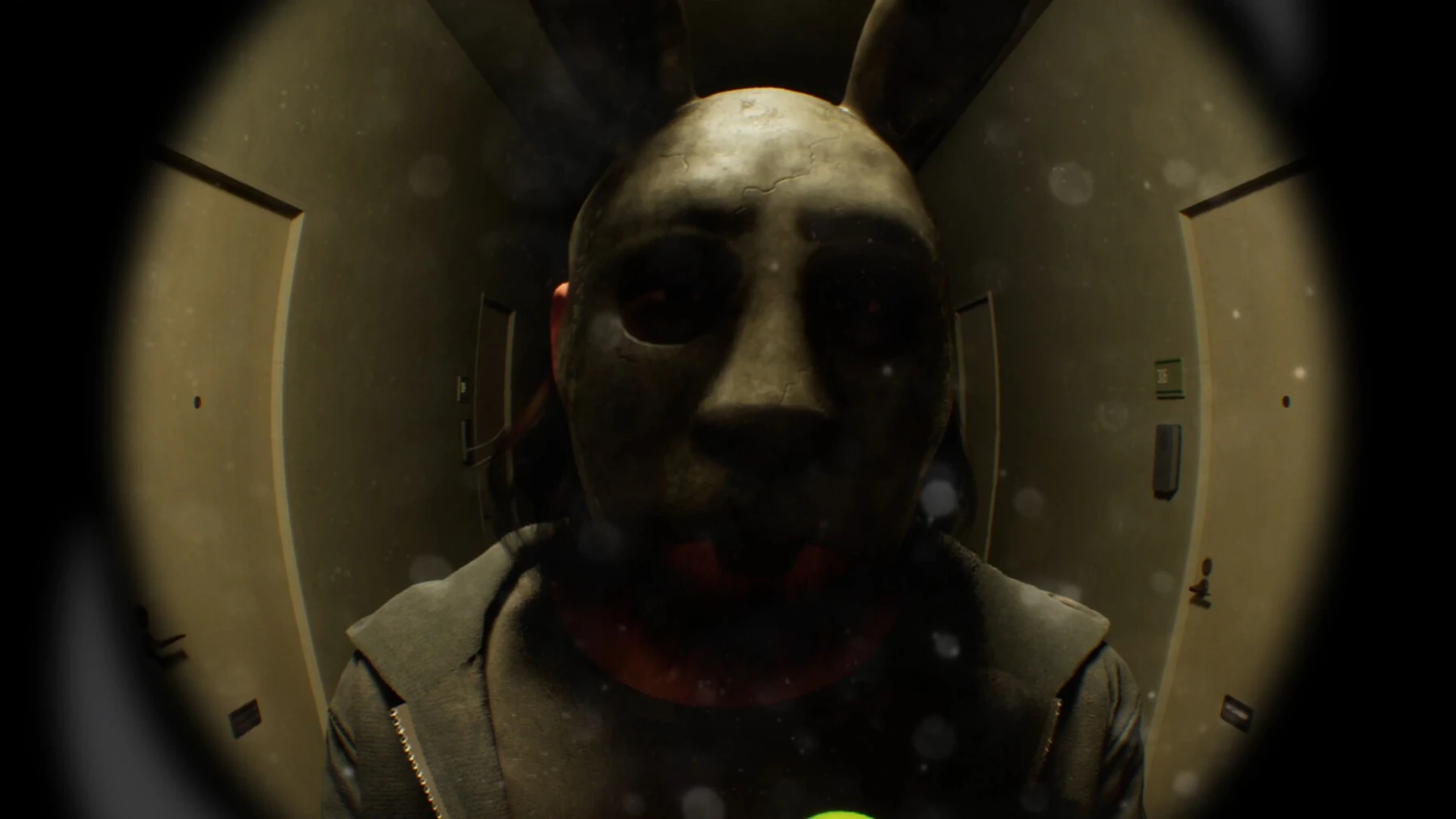
BrokenLore: DON’T LIE is a standalone story connected to DON’T WATCH. Junko lives in a small apartment and tries to reconnect with Shinji and Hideo, people she met during rehabilitation. Daily calls, medication, guilt and incomplete memories gradually alter how she understands the room around her. The game combines first-person exploration, hidden details and psychological horror rather than presenting every frightening image as a literal event.
Table of Contents
The apartment begins as a reference point
A small familiar space lets players notice subtle changes in object placement, light and sound. Before rushing to the next prompt, it helps to learn the ordinary layout. A moved photograph or blocked doorway then carries meaning. The design can create tension without constant spectacle because the player knows what should be present and recognizes when the room no longer follows that memory.
Phone calls connect isolation to real relationships
Shinji and Hideo are not only voices delivering instructions. Their history with Junko can reveal support, dependence, misunderstanding and the pressure of trying to reconnect. Players should listen for changes in wording and for facts that do not match an earlier account. A contradiction may show fear or incomplete memory rather than proving that one person is deliberately deceptive.
| Story element | Confirmed role |
|---|---|
| Lead | Junko |
| Relationships | Shinji and Hideo |
| Setting | Apartment and distorted connected spaces |
| Play | Exploration, hidden details and stealth |
| Release | 10 September |
The title makes truth a mechanical question
DON’T LIE suggests that statements and self-deception will influence how events are interpreted. A responsible reading separates what Junko says, what another character reports and what the environment visibly confirms. The game can then place tension between those layers. Choosing an answer should matter because it shapes trust or perception, not because one dialogue option is secretly labeled correct.
Medication requires careful narrative treatment
Medication can be part of Junko’s routine without becoming a simple explanation for every frightening event. Clear timing and personal context help avoid reducing mental health to a plot trick. The story should show what is prescribed, what Junko believes and which observations remain uncertain. Players can follow those distinctions instead of assuming that all perception is invalid.
Hidden details reward a slow second look
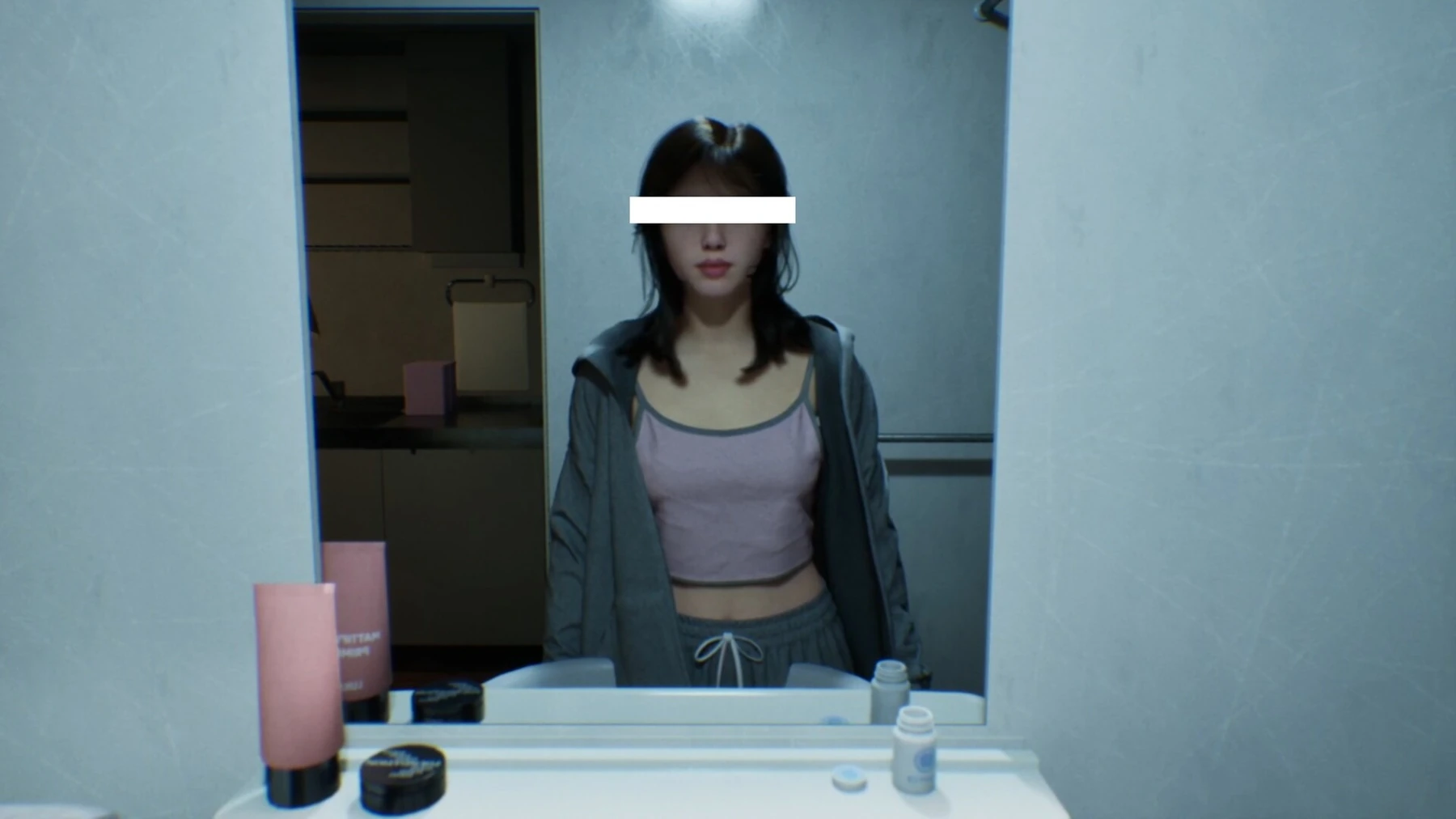
A document, reflection or small object may connect the apartment to rehabilitation memories. The useful search is guided by a question from the story. Sweeping every surface without reading turns discovery into collection. After a call, the player can revisit the area linked to the conversation and check whether new evidence appeared. This keeps exploration connected to Junko’s relationships.
Stealth changes the apartment from shelter to route
When a threat enters the space, furniture and narrow passages gain a practical role. The player must remember where vision is broken and which door creates noise. A chase remains readable when previous exploration taught those landmarks. Sudden danger is more effective if survival uses knowledge the player earned, rather than an exit that becomes visible only after the threat appears.
A standalone story still benefits from series context
New players should be able to understand Junko’s immediate problem without finishing another BrokenLore game. Returning players can recognize themes or events linked to DON’T WATCH as an additional layer. The distinction matters in coverage: DON’T LIE expands the setting, but its central relationships and outcome must be presented as their own story rather than as a missing chapter summary.
Players should check the content warnings before starting
The game deals with isolation, self-destructive behavior and psychological distress. Players can check the store warning, subtitle options and control settings before beginning. That preparation does not weaken horror. It gives the player enough control over presentation to follow dialogue and stop when needed, which is especially valuable in a story where uncertainty is an intentional device.
Visible save confirmation supports a difficult story
Psychological horror benefits from tension, but players also need to know when progress has been recorded. A visible save confirmation allows a break after an intense scene without forcing repetition. Chapter selection or warning labels can protect later review from accidental spoilers. These controls do not explain the mystery or reduce uncertainty inside it. They simply separate deliberate discomfort in Junko’s story from uncertainty about whether the software preserved the last completed sequence.