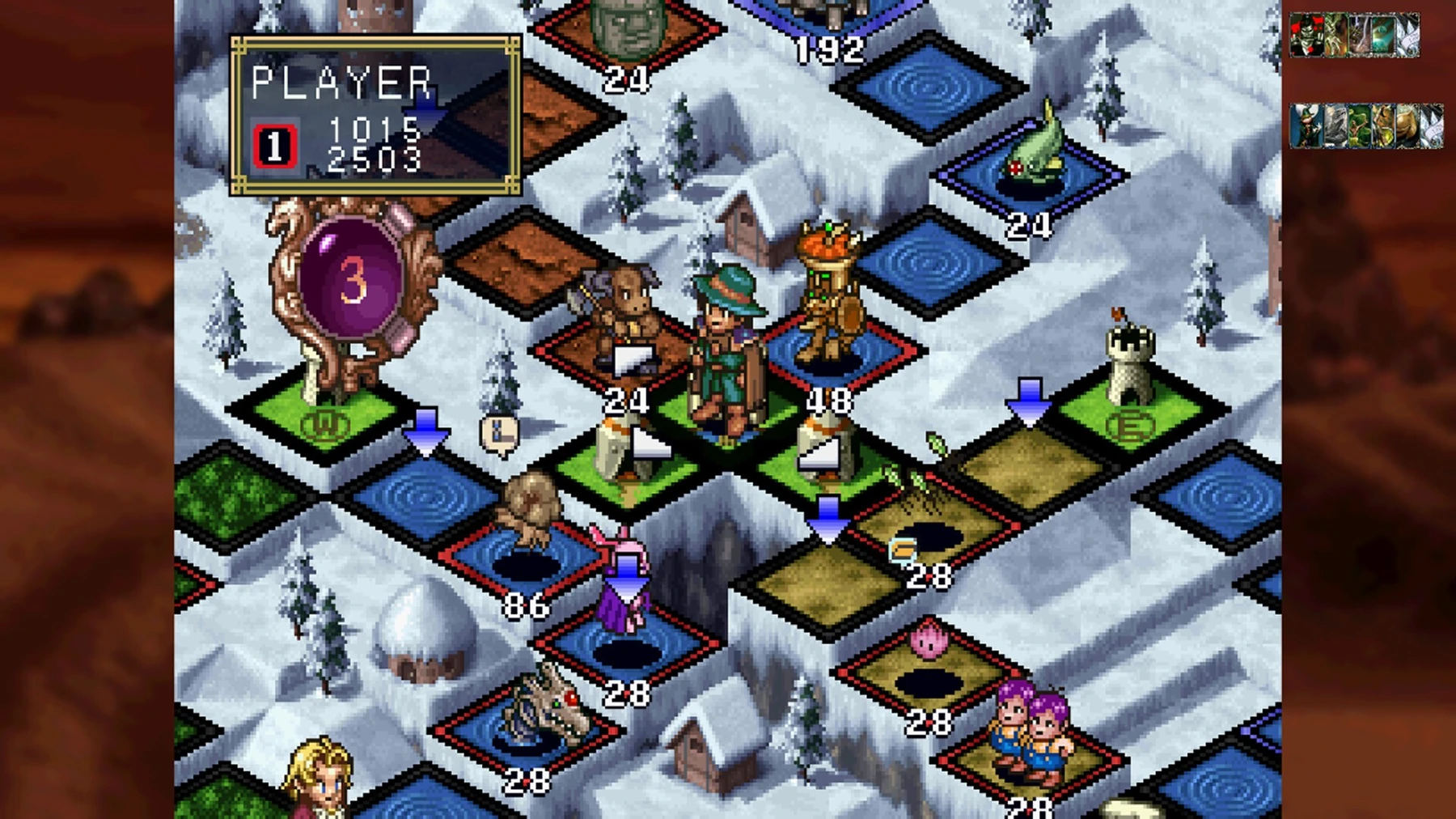
Culdcept The First Saturn Tribute brings the series’ first game outside Japan with English support and modern convenience features. Up to four competitors move around a board, summon creatures onto territory and use spell or item cards to change a contest. Victory depends on building total value and reaching the required goal, so a strong deck must also work with movement, tolls and the geography of each map.
Table of Contents
Cards and board position form one economy
A powerful creature has limited value when it is placed on an isolated space that opponents rarely cross. A modest defender on a busy route can collect repeated tolls and support nearby territory. Deck construction must therefore anticipate movement. The player is not only asking whether a card wins a fight, but whether it helps convert the current part of the board into reliable value.
More than 300 cards create roles, not one ranking
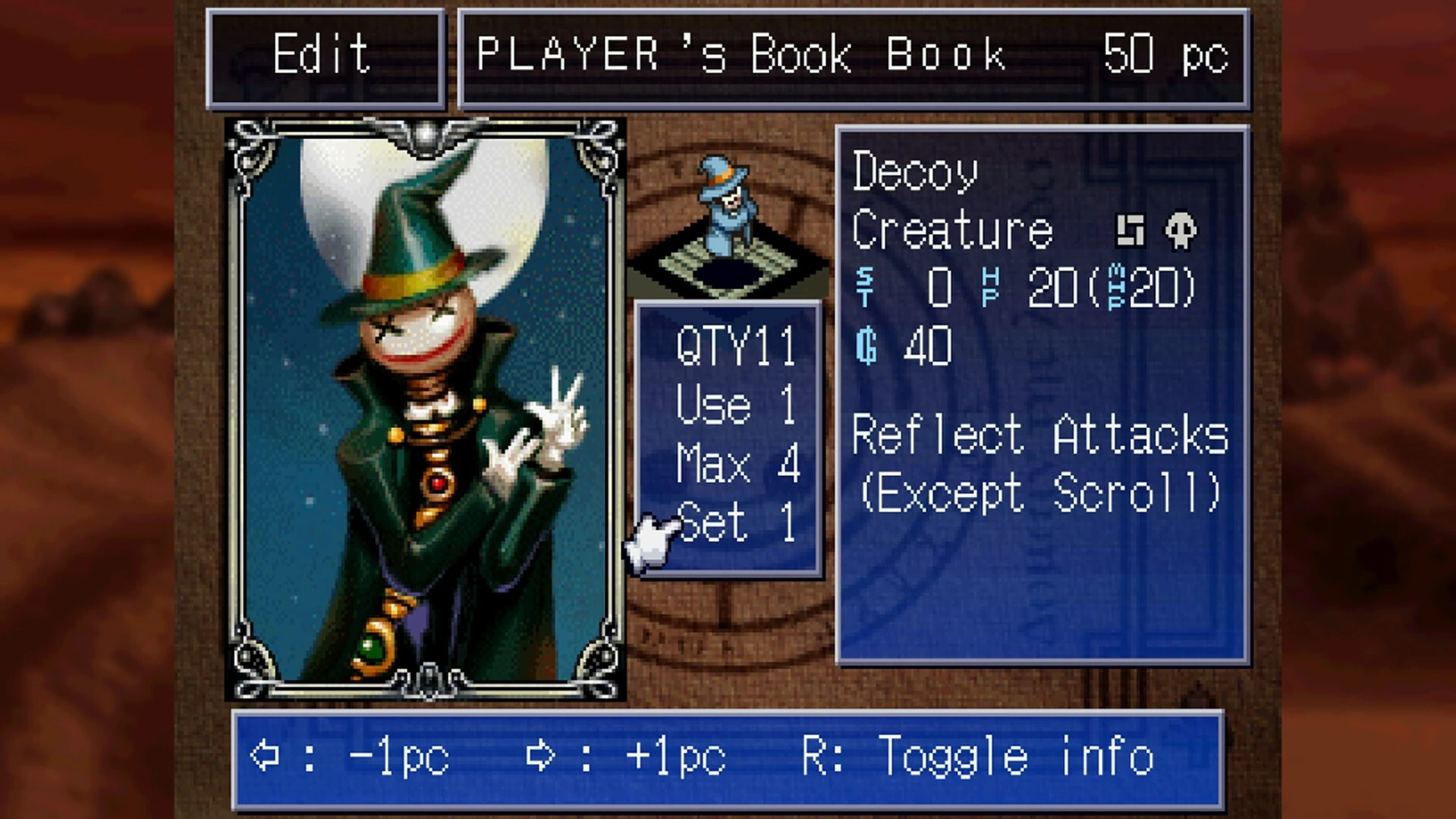
The pool includes creatures, spells and items whose value changes with the map and surrounding deck. A direct damage spell may solve a weak defender, while movement control can be stronger when a rival approaches an expensive territory. Useful decks give each draw a purpose. Filling every slot with rare cards can leave no inexpensive play for the opening turns.
| System | Confirmed detail |
|---|---|
| Card pool | More than 300 types |
| Players | Solo and local or online multiplayer options |
| Board layer | Claim territory and raise its value |
| Battle layer | Creatures defend occupied spaces |
| Xbox arrival | 8 September |
Territory upgrades create pressure and risk
Investing in land raises its value and the toll charged to a visitor, but it also concentrates resources in a visible target. Opponents may use combat, exchange effects or route changes to avoid paying. The safest upgrade is supported by a suitable creature and nearby spaces. Raising one square too early can make the rest of the board impossible to contest.
Combat is short but preparation begins earlier
When a player lands on occupied territory, the cards already placed and the items saved in hand shape the result. The defender benefits from matching the land element and from effects prepared during earlier turns. The attacker must decide whether taking the space is worth spending a rare item. Winning one battle can still be inefficient if it empties the hand before a more important crossing.
Movement cards change the meaning of luck
Dice remain part of the board game, yet spells can influence routes, speed or a rival’s next turn. Good play does not remove uncertainty; it keeps several acceptable outcomes open. A player with only one useful destination becomes dependent on a perfect roll. A player who controls adjacent territory or holds a movement option can turn an ordinary result into progress.
The goal value changes priorities near the finish
A competitor who reaches the required total still needs to complete the proper route and protect enough value to finish. Rivals can target exposed territory before that happens. The leader should reduce unnecessary fights and preserve a path home, while trailing players may need coordinated pressure. The final turns are therefore about conversion, not simply collecting one more expensive card.
Modern features should shorten repetition without changing rules
A tribute edition can add speed settings, clearer records and easier restarts while preserving the original balance. Those options matter because a card-and-board match contains many routine animations. Faster presentation should never hide which card produced an effect or how a toll was calculated. New players need enough information to understand a loss before moving to the next turn.
A beginner deck benefits from a narrow idea
The easiest first build uses creatures that share one or two elements, affordable spells and a small set of items for defense. That structure makes land matches easier to recognize. After several games, the player can replace cards that remained unusable rather than rebuilding around a single dramatic victory. Culdcept rewards a deck whose ordinary draws support the board plan.
Multiplayer etiquette keeps a strategic match moving
A four-player game contains negotiations, temporary shared interests and long turns. Competitors should state required confirmations clearly and avoid presenting an informal promise as a binding rule. A player can oppose the leader without deliberately extending every animation. The tribute edition has an opportunity to make logs and card text easy to revisit, so a disputed effect can be checked inside the match. Clear records protect both competitive decisions and the social board-game rhythm.