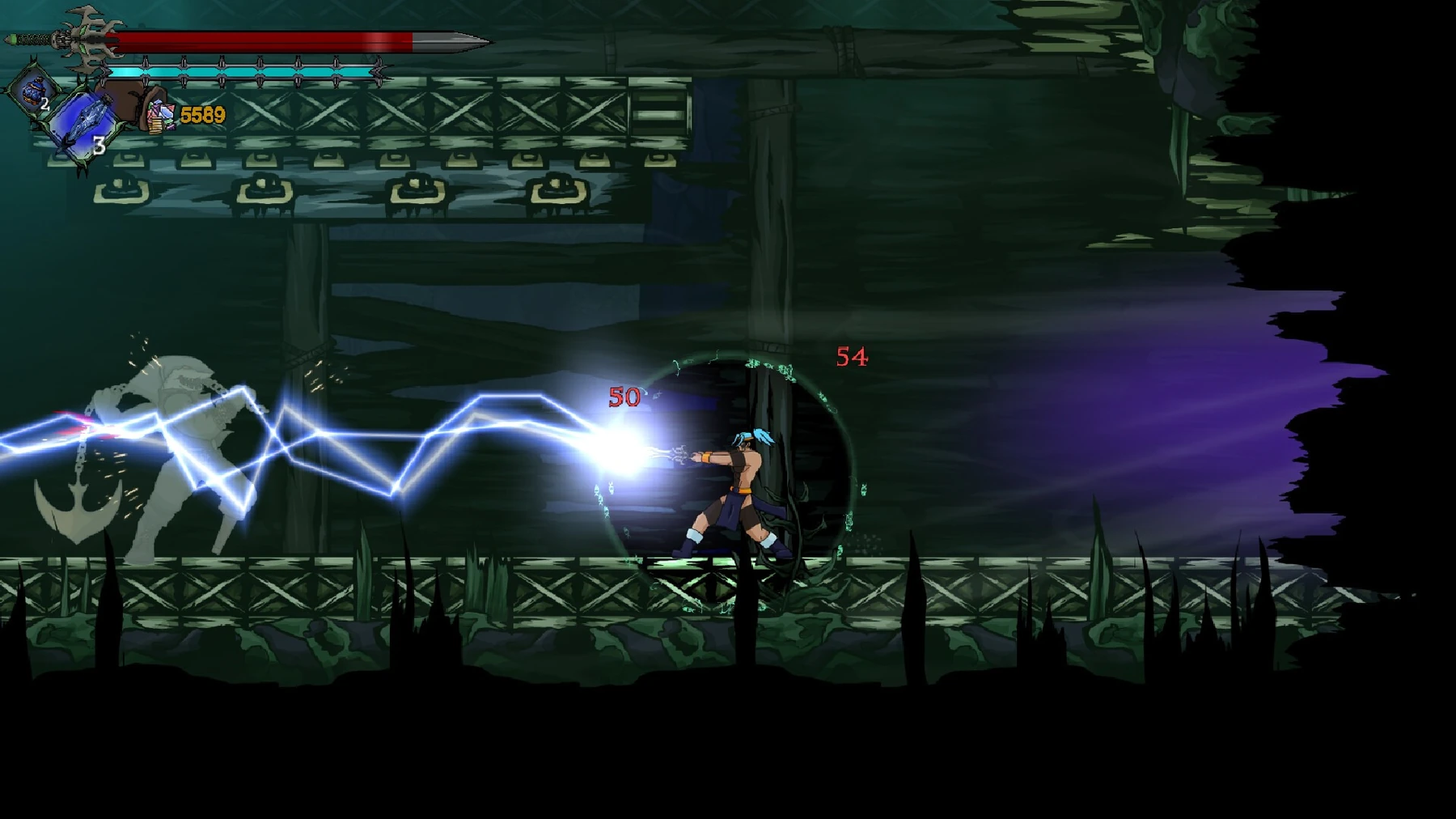
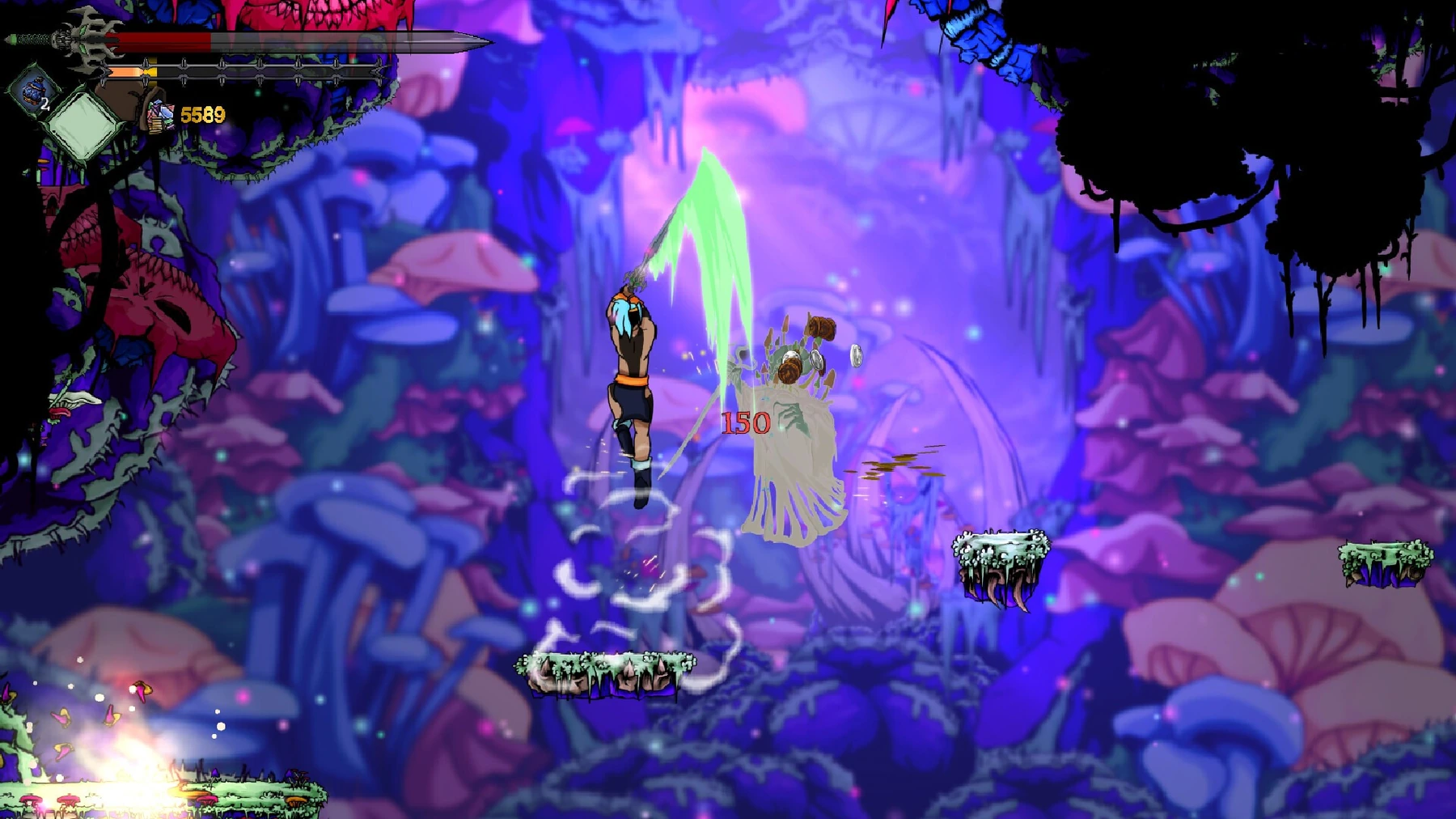
Barbarian Saga: The Beastmaster follows the last Beastmaster through Arborea after a new war is directed against non-human life. The hero can use creature souls to transform, learn sword techniques and assemble a ritual necklace from fangs, roots and amulets. Exploration follows a connected Metroidvania map, while certain arena encounters move closer to the fighters and use visible energy bars.
Table of Contents
Transformations should solve space as well as combat
An animal form is most interesting when it changes how the hero reads a room. One ability may cross a gap, pass a barrier or reveal a route that the human form cannot use. Returning to an earlier region then has a clear purpose. If every soul only increases damage, the connected map loses part of its identity and exploration becomes a search for larger numbers.
The Heart-Eater sword provides a stable foundation
Transformations and magic can change, but basic sword timing must remain dependable. Players need to recognize reach, recovery and the difference between a safe strike and a committed sequence. New techniques should widen those options without making the opening moves obsolete. A stable foundation lets an unfamiliar form feel like an addition rather than a complete replacement of learned control.
| Element | Function |
|---|---|
| Creature souls | Transform and reach new routes |
| Heart-Eater sword | Core combat and learned techniques |
| Necklace | Beads alter attacks, vitality or mana |
| Arenas | Close-camera duels with energy bars |
| Release | 9 September |
Ritual beads ask players to choose a direction
Fangs, amulets and roots can alter attacks, vitality or mana. The useful necklace reflects the next area and the player’s actual difficulties. More health may help while learning a boss, whereas mana support matters when transformation abilities create the safest route. Changing one bead at a time makes its effect visible and prevents a successful attempt from being attributed to the wrong choice.
Arena duels change the camera and the reading of distance
A closer view with energy bars recalls traditional fighting games and puts greater attention on spacing. Movement that was safe in a wide exploration room may be too slow against one focused rival. The player should identify the opponent’s recovery rather than trade every hit. Arena rewards become valuable because the duel teaches a precise skill that can return in ordinary combat.
The war against non-humans frames the moral choice
The new king of Imperia and the Sacred Kingdom are using Trece XIII and military leaders against non-human creatures. The Beastmaster’s ability to join human and animal strength places the hero directly inside that conflict. Conversations and side missions need to show different interests within both groups. Multiple endings feel earned when they follow accumulated decisions rather than one final menu.
A continuous map benefits from memorable landmarks
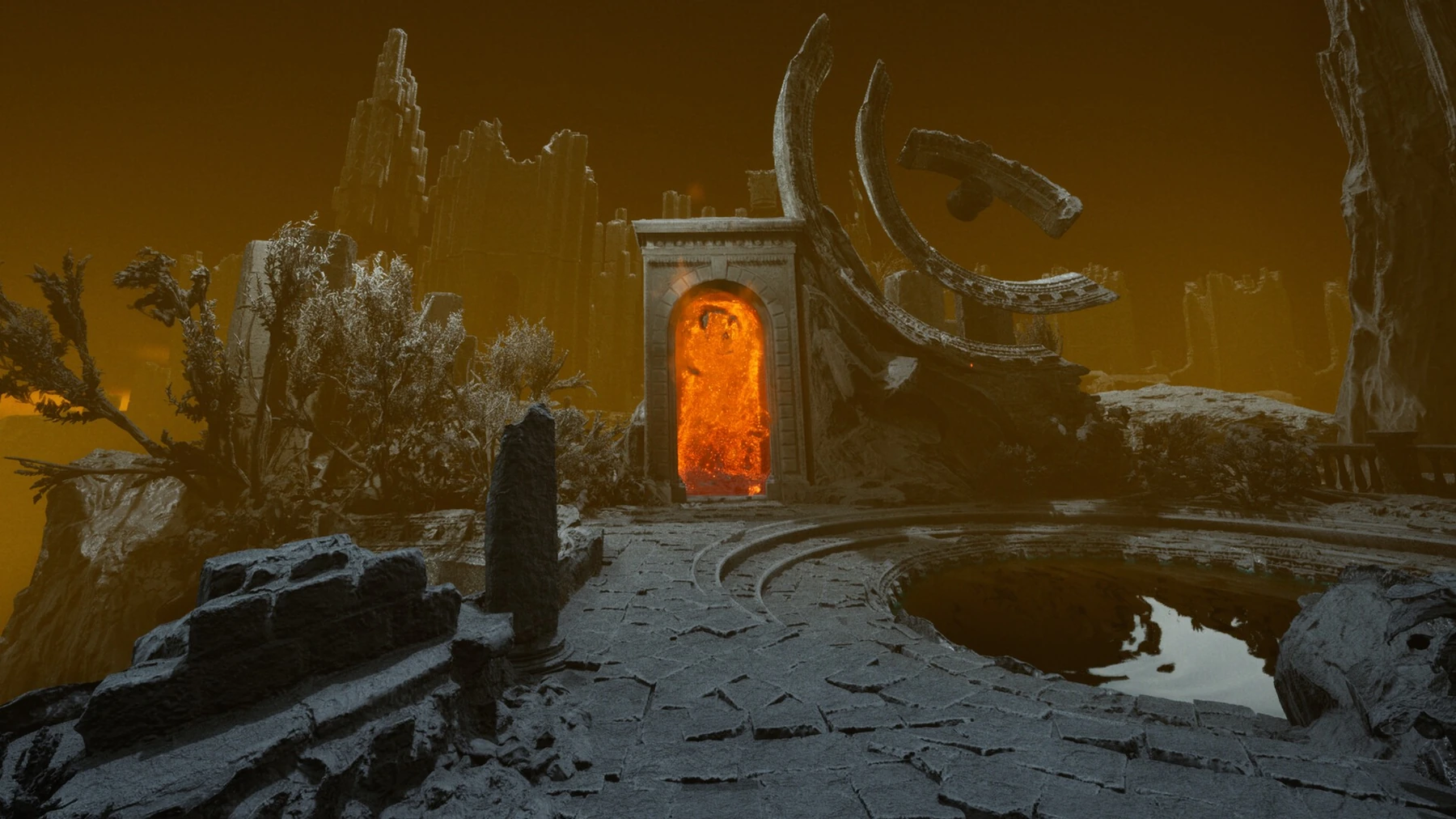
Hand-drawn regions can be beautiful and still difficult to navigate if doors and vertical links look alike. A strong map uses statues, color, weather and architecture to mark each junction. Players can note one blocked route when they first see it and return after gaining the matching form. That habit is more reliable than checking every wall after each upgrade.
The demo and final release serve different checks
A demo can prove movement, combat response and the visual language of the first area. It cannot show whether the necklace remains balanced or whether later endings receive enough development. Players should use it to test controls and performance, then treat wider progression claims as features to verify in the complete game. This keeps early impressions useful without turning them into a full verdict.
The strongest build keeps several answers available
A player can favor sword damage, forms or magic, but complete dependence on one resource creates fragile encounters. The practical setup has a low-cost action, a defensive response and one powerful commitment. When an enemy resists the preferred method, the hero can change pace instead of repeating a failing sequence. That flexibility matches a world built around transformation.
Multiple endings need evidence across the journey
An ending feels connected to the player when earlier alliances, rescued characters and uses of power are remembered. A final choice can still matter, but it should complete a direction visible in Arborea. The journal should distinguish an unfinished mission from a decision whose consequence will appear later. That clarity lets players explore another route on a future run without consulting a list that reveals every story result in advance.