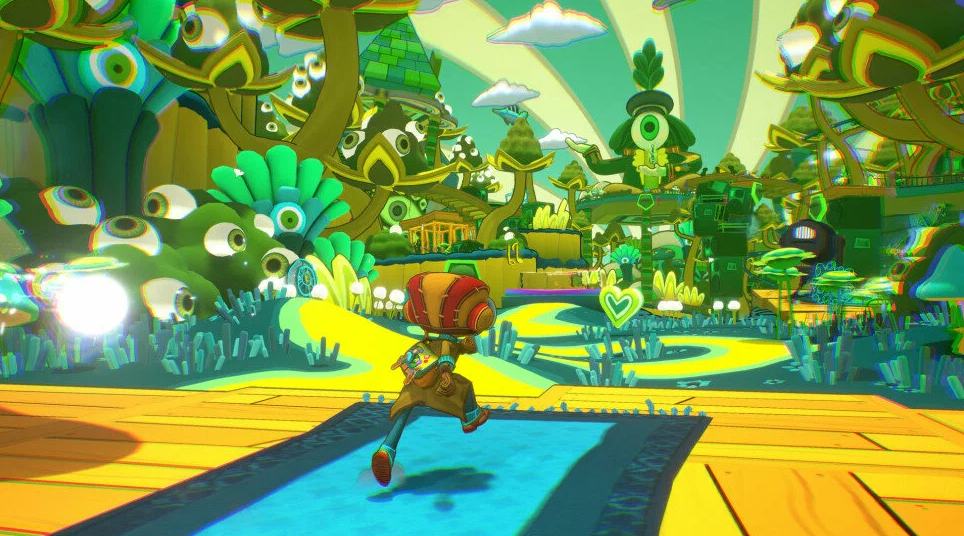
Seven years ago, Double Fine boarded Xbox’s “big green bus.” Now the studio has stepped off—and taken its games along with it. Tim Schafer’s team is independent once again, has regained control of its catalog, and is already teasing a project that no one outside the studio has played before.
At first glance, this may look like a routine split between a developer and its parent company. In reality, Double Fine has received something increasingly rare in today’s games industry: the opportunity to leave a major corporation without losing its intellectual property, existing titles, or freedom to choose what it creates next.
That freedom also brings back some familiar risks. Double Fine must now secure its own funding, sell its games, and convince players to support its next unusual experiment.
Table of Contents
Which Game Rights Did Double Fine Regain From Microsoft?
Double Fine officially became independent again in July 2026. In its announcement, the studio thanked Xbox for seven years of collaboration and said the agreement had preserved its history and culture while returning ownership of its games. Tim Schafer later clarified that the team once again controls both its intellectual property and the publishing of its projects.
For players, this is more important than a simple change of ownership. Revenue from game sales now directly supports the independent studio, while decisions about sequels, re-releases, and franchise development no longer need to fit into Xbox’s wider strategy.
| What Changed | Before Leaving Xbox | After Becoming Independent |
|---|---|---|
| Studio management | Double Fine was part of Xbox Game Studios | The team manages the studio independently |
| Game rights | Held within the Microsoft and Double Fine structure | Returned to the studio |
| Sales revenue | Distributed through the corporate system | Directly supports the developer |
| Choice of future games | Partly influenced by Xbox’s plans | Determined by Double Fine and its available budget |
| Funding | Financial support from Microsoft | Game sales, crowdfunding, and potential partners |
Double Fine’s current catalog includes Psychonauts 2, Keeper, Kiln, Brütal Legend, Broken Age, RAD, and several remastered adventure games. However, the exact legal terms for each individual franchise have not been made public. The return of the studio’s games should therefore not be treated as automatic confirmation of any long-awaited sequel.
Will Double Fine Reveal a New Game at PAX West 2026?
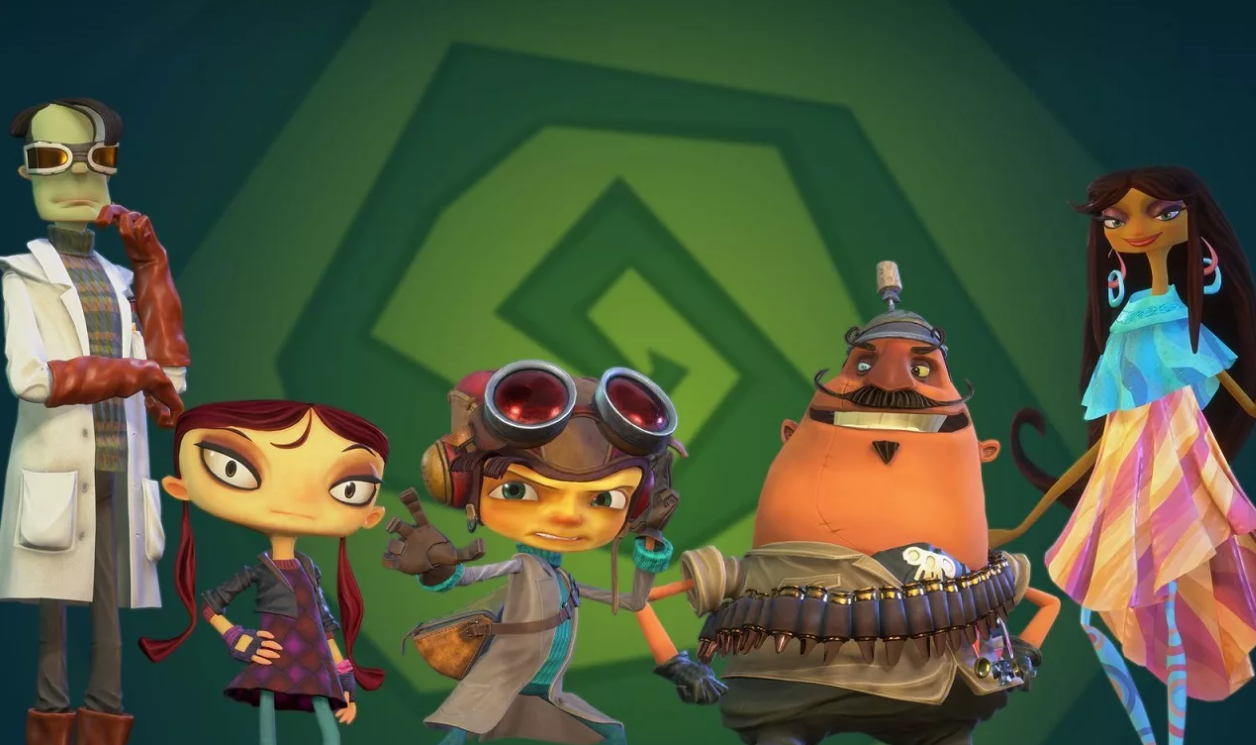
The biggest mystery surrounds Double Fine’s return to PAX West after a seven-year absence. The studio has promised to bring several games to the event, including at least one that no visitor has played before. Attendees will be able to try the mysterious project at the Double Fine booth.
For now, the wording leaves several possibilities:
-
a completely new Double Fine game;
-
an early prototype that has never been shown publicly;
-
a new mode or major update for Kiln;
-
a smaller experiment created for the Double Fine Action Labs label.
It is still far too early to call this a full Psychonauts 3 announcement. Double Fine has not mentioned a third game, and Tim Schafer previously said that the studio was focusing on original ideas rather than the sequels fans frequently request. The phrase “a game no one has played before” does not necessarily describe an unannounced big-budget production either.
The format of the presentation is still revealing. As an independent developer, Double Fine is once again prioritizing direct interaction with its audience. Visitors will not simply watch a trailer—they will be among the first people to test the idea for themselves.
Amnesia Fortnight 2026 Will Let Players Choose Double Fine’s Next Game
Double Fine is also bringing back Amnesia Fortnight, its internal game jam that began in 2007. For two weeks, employees set aside their usual work, pitch unusual concepts, and turn the best ideas into playable prototypes.
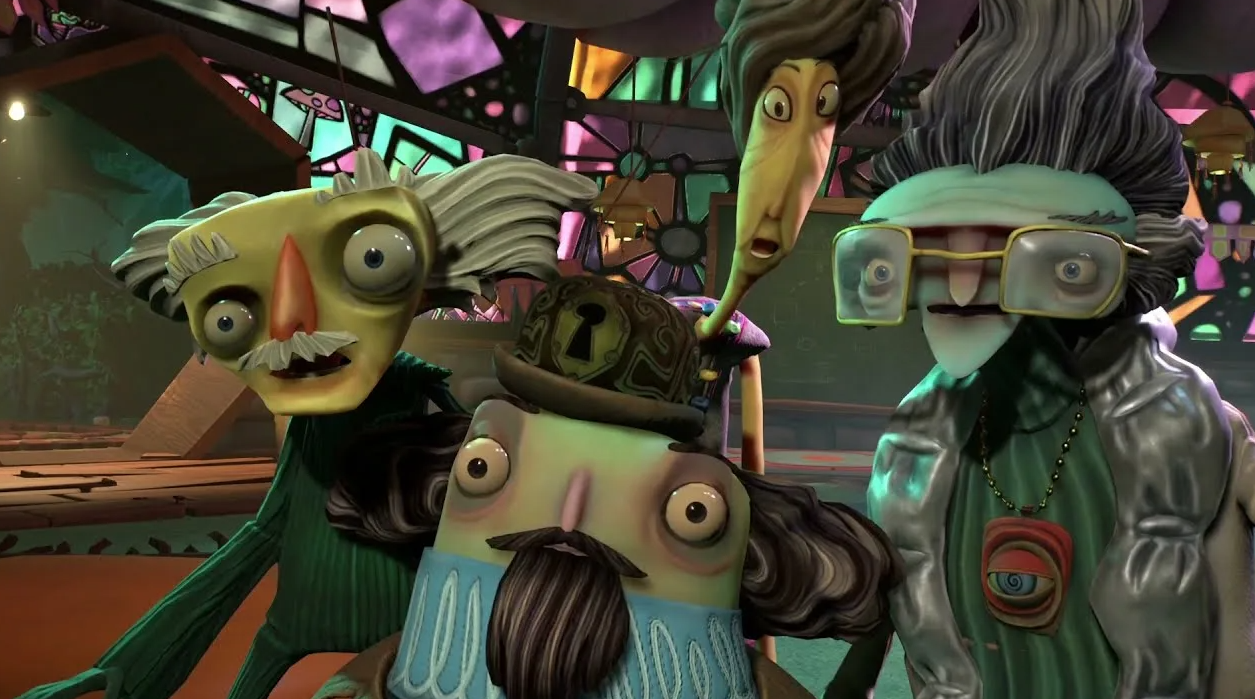
Previous Amnesia Fortnight experiments eventually grew into Costume Quest, Stacking, and Iron Brigade. One concept even became Compton Boole’s mental world in Psychonauts 2.
The new event is called Amnesia Fortnight 2026: Indie Reboot. Its Kickstarter campaign will launch on August 31 and continue through most of September. Backers will be able to:
-
explore the game concepts proposed by Double Fine developers;
-
vote for four ideas to be turned into playable prototypes;
-
follow development through livestreams and a documentary;
-
help select one project to become a complete small-scale game.
The winning project will be released through Double Fine Action Labs, a new label focused on smaller and stranger games. Kickstarter is therefore being used for more than simply raising money. It will also give the community a direct role in deciding which idea the studio develops further.
What Double Fine’s Departure From Xbox Means for Players
The obvious benefit is that Double Fine can once again make its own decisions regarding Psychonauts and its other games. In theory, this could make it easier to release projects on multiple platforms, work with different publishing partners, and revisit concepts that may not have fit Microsoft’s broader plans.
The downside is financial vulnerability. Double Fine is openly asking its audience for support through purchases and crowdfunding. Without Microsoft’s budget behind it, the team will probably need to be more cautious about the scale of future productions. Smaller experimental games currently appear more realistic than a Psychonauts 3 with development costs comparable to the second installment.
That is why the most important part of this story is not the possible secret reveal, but Double Fine’s new way of operating. The studio has regained its creative freedom, but it must now prove that its unusual games can generate enough revenue to fund their own development.
PAX West could offer the first look at an unknown project from this new chapter, while Amnesia Fortnight will allow players to vote directly on what comes next. For fans of Tim Schafer’s work, this is both a reason for optimism and a major test: Double Fine’s future once again depends not on Xbox’s strategy, but on the team’s ideas and the audience’s willingness to support them.