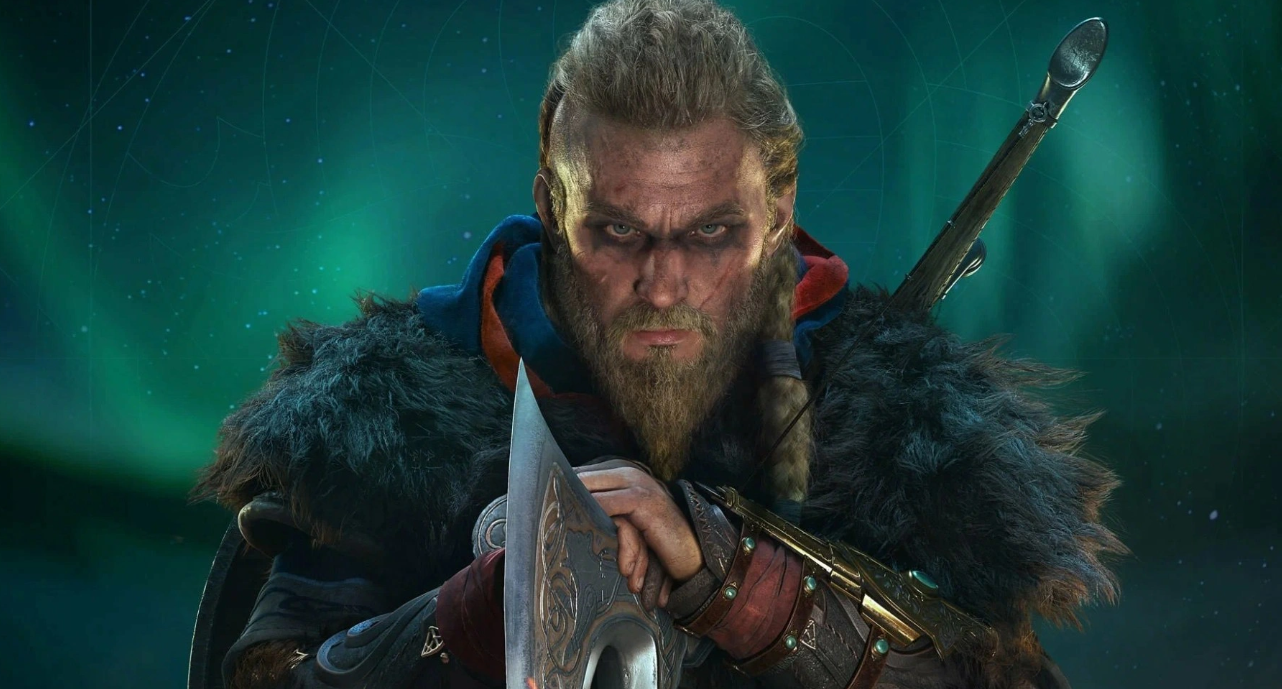
The shooter Atomic Heart removed its Denuvo anti-piracy system from its PC version on August 3, 2026, as part of a new update that coincided with the game’s release on Russian Steam.
Publisher Focus Entertainment presented the update as casually as possible—the usual bug fixes, stability improvements, nothing more. But the community quickly figured out the ploy: the executable lost 289 MB—the exact size of the DRM code. The warning message about the protection still appears on the Steam page, although this is simply a lag in the platform’s database update.
Table of Contents
Why did Focus Entertainment remove Denuvo after it was cracked?
Technically, removing the DRM system after three and a half years seems belated—protective mechanisms are usually reset either in the first few months or at release. But this is a special case: Atomic Heart was broken completely and irrevocably.
Security breakdown timeline:
-
April 2026 — The DenuvOwO group released a hypervisor-based bypass. This method was dubious, required disabling Windows security systems, and posed an additional risk.
-
July 2026 — Hacker voices38 released a full-fledged crack with all four DLCs: “Annihilation Instinct,” “Prisoner of Limbo,” “Enchantment of the Deep Sea,” and “Blood on Crystal.”
Maintaining a useless system became pointless — pirates had already exploited the game. While voices38 simply tricked Denuvo’s algorithms by allowing them to run in the background, the publisher took a radical approach — they simply surgically removed the code from the client. The trend is understandable — Square Enix and Capcom had previously taken similar steps.
How can I verify that Atomic Heart is no longer loading the DRM system?
-
Check SteamDB: patch ID M:1879284477080962633 was sent to depot on August 3, 2026, at approximately 4:00 PM Moscow time.
-
File size: AtomicHeart.exe has dropped by almost 300 MB.
-
Stability: No more online reactivation prompts when changing hardware or launching for the first time.
Furthermore, disabling Denuvo typically reduces CPU load—frame rate should improve in previously low areas, although only new benchmarks will reveal the exact numbers.
This is an important precedent, given Mundfish’s work on Atomic Heart 2 using Unreal Engine 5. Considering how the first game stormed Steam and shed its clutter, the developers will clearly be more cautious in choosing the game’s security software for the sequel.