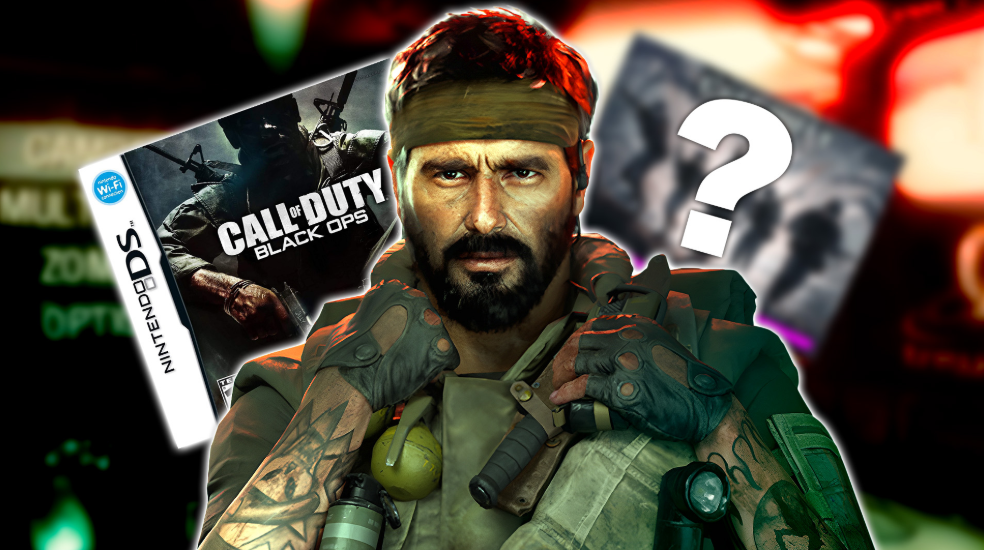
Call of Duty: Black Ops was originally developed under the name Cold Warriors, as confirmed by files discovered in the Nintendo DS version of the game 16 years after its release. A leak by users ForwardLeaks and TheSpoopatron revealed not only the alternate title but also dozens of cut elements: maps, missions, weapons, mechanics, and even early concepts for the iconic Nuketown location.
Table of Contents
Cold Warriors Working Title: What’s Known?
In 2010, Treyarch released Call of Duty: Black Ops, a game that defined the franchise for the next decade. However, as it now turns out, the studio almost launched with a completely different name.
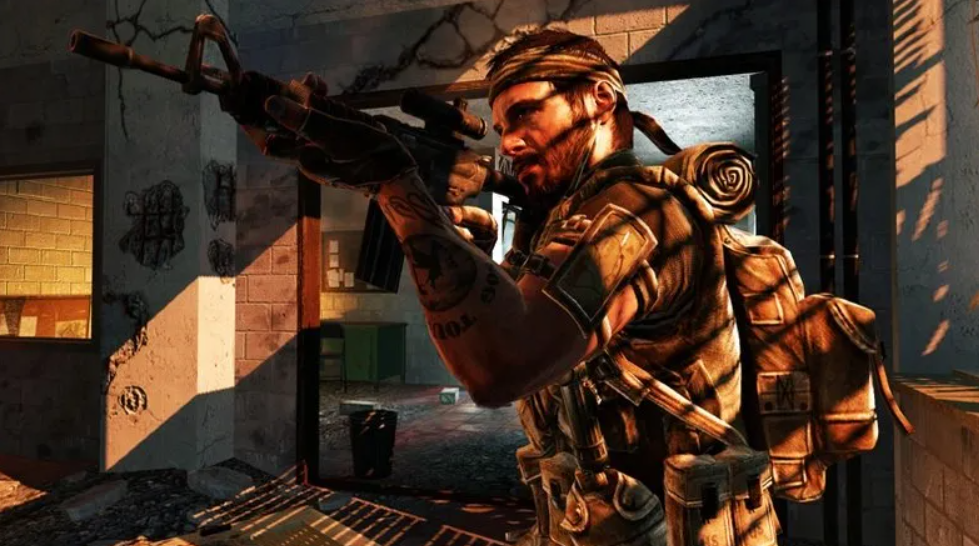
According to materials published on social media, the project was developed under the working title Call of Duty: Cold Warriors. This name appears in files for the Nintendo DS version of the game—a platform that, ironically, has become a repository for archival material a decade and a half later. The discovery is unique not only for its content but also for its source. The Nintendo DS, a handheld console with limited technical capabilities, received a version of Black Ops that differed significantly from the major releases for PC, Xbox 360, and PlayStation 3. It is these files that contain traces of the early stages of development.
Who leaked the files and how?
The publication was carried out by two users: ForwardLeaks and TheSpoopatron. The former posted images of the combat log, multiplayer menu, lobby, and top screen of Call of Duty: Cold Warriors online. The latter, in turn, shared a collection of concept art, including early designs for Nuketown and other visuals.
Both accounts actively published the findings between July 31 and August 1, 2026, which prompted an immediate response in the gaming community. Currently, neither ForwardLeaks nor TheSpoopatron have disclosed the technical details of the file extraction, leaving open the question of the methods used to delve into the Nintendo DS archives.
What exactly was found in the Nintendo DS files?
The discovered materials cover a wide range of gameplay aspects:
-
Interface and menus – images of multiplayer screens, lobbies, and a combat log with the working title Cold Warriors.
-
Concept art – early visual work, including location and character designs.
-
Nuketown – the iconic map that has become the series’ signature, originally had a different appearance.
-
Cut features – mechanics, campaign segments, and weapons that didn’t make it into the final version.
Of particular interest are locations that Treyarch planned to include in the game but ultimately abandoned or reworked.
Maps and locations that could have appeared in the game
According to leaked design documents, Treyarch was developing missions in the following locations:
-
Cairo – an operation in the Egyptian capital.
-
North Vietnam – jungles and guerrilla warfare.
-
Antarctica – snowy expanses and secret bases.
-
Russia – several missions on Soviet territory.
-
An underwater Soviet facility off the coast of Cuba – one of the most intriguing canceled missions.
These locations echo the Cold War atmosphere that became the main leitmotif of Black Ops. Some of them, in modified form, made it into the final game or subsequent installments in the series.
Project Apophus – a mystery in the code
One of the most mysterious elements of the leak was Project Apophus – a codename found in mission files.
What is it? There is no definitive answer. Pocket Tactics hypothesized that Apophus could have been an early form of Nova Six gas—a key plot element in Black Ops, a nerve agent weapon that forms the core of much of the campaign.
However, this is merely speculation. There’s no official confirmation from Treyarch, and the Apophus project could be something entirely different—perhaps the codename for a character, a mission, or a technological MacGuffin that was ultimately completely redesigned.
What didn’t make it into the final version?
Besides locations and the mysterious Apophus, the leak revealed several significant elements that were cut at various stages of development:
-
Weapons—several weapons mentioned in the files but not in the final game.
-
Campaign segments—entire missions or parts of them that didn’t make it into the final game.
-
Game mechanics—systems that Treyarch tested but ultimately scrapped.
Hub-Style Choice System
According to the findings, Treyarch considered implementing a hub-style choice system—a non-linear structure where players could choose the order in which to play missions. This idea was not implemented in the final version of Black Ops, and the game received the linear campaign typical of the Call of Duty series at the time.
Stats Website → Call of Duty ELITE
One of the more interesting cancelled concepts was an external website for tracking game statistics.
Treyarch planned to create a web platform where players could see their achievements, compare stats with friends, and analyze matches. This idea was not implemented in Black Ops, but was later revived in Call of Duty: ELITE, a service launched alongside Modern Warfare 3 in 2011.
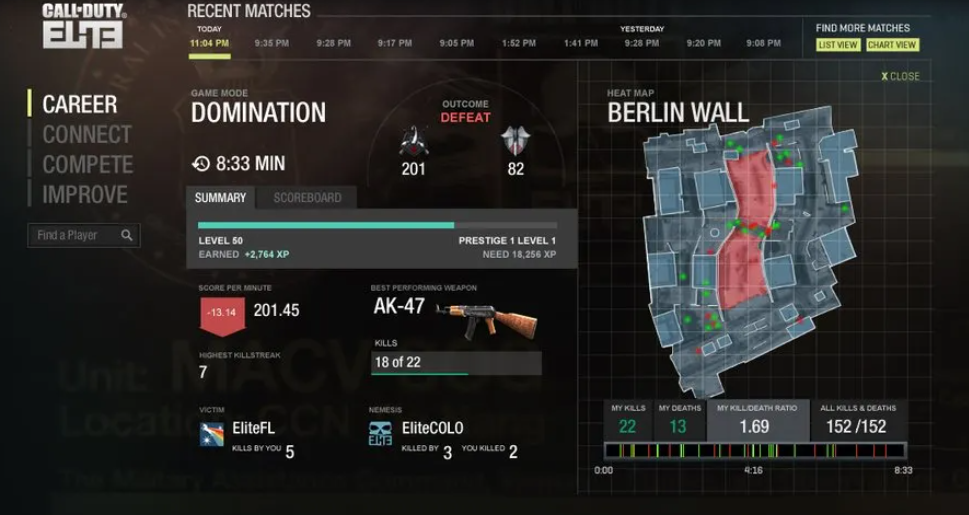
Thus, the leak shows how concepts that seemed premature or technically difficult to implement in 2010 found their way into future projects.
Why Cold Warriors Gave Way to Black Ops
The name change from Cold Warriors to Black Ops wasn’t accidental. It was a marketing decision that determined the fate of the entire subseries.
-
Cold Warriors is a descriptive, literal name. It accurately reflects the game’s theme (the Cold War), but lacks intrigue and memorable energy.
-
Black Ops is short, succinct, and mysterious. Two words that evoke associations with covert operations, espionage, risk, and elite units. The name feels like a brand, not a description.
As Insider Gaming notes, Black Ops turned out to be a much stronger name than Cold Warriors. And time has borne this out: seven mainline games have been released under this name (as of publication), and the series remains one of the most successful in the Call of Duty franchise.
What does this mean for fans and the series?
For fans, this leak is a dive into an alternate history of their favorite game. An opportunity to see what Black Ops could have been if the developers had taken a different path.
However, it’s important to understand: this is archival material. The files are 16 years old. The leak does not affect Treyarch’s current or future projects. It’s not an announcement of a new game, a hint of a remaster, or evidence of upcoming changes.
Nevertheless, the discovery demonstrates several important aspects:
-
The evolution of development – even iconic games go through dozens of iterations before reaching their final form.
-
The value of archives – old files, even for a platform like the Nintendo DS, can contain unique artifacts of gaming history.
-
The power of branding – the right name can turn a good game into a legendary franchise.