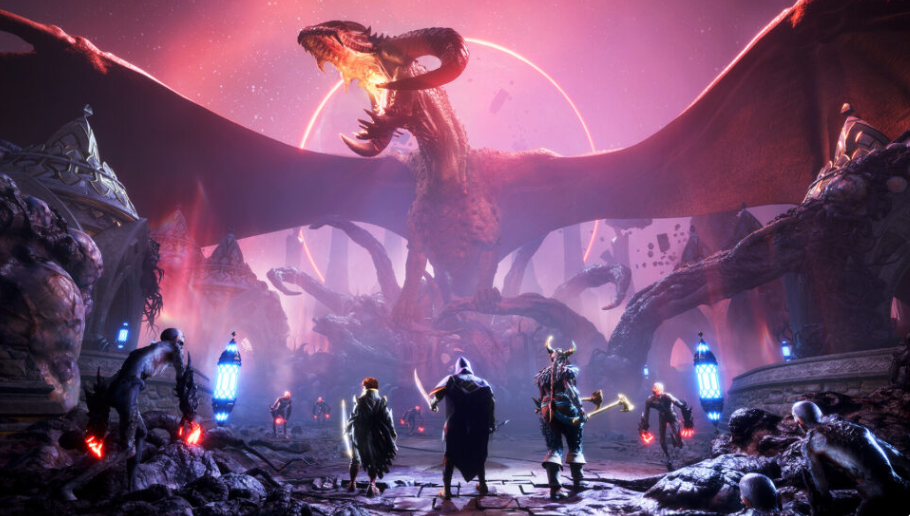
Mark Darrah, a 23-year BioWare veteran, stated in an interview with FRVR that a Dragon Age comeback is unlikely. The reason is not only the dismal sales of The Veilguard, but also EA’s internal structure, where any proposal for a dormant IP is blocked at the concept stage.
Table of Contents
Inside EA’s Profit-Driven Mindset: How the Publisher Views Single-Player Games
A former executive producer of the franchise succinctly described the publisher’s business model. According to him, EA today operates like a hedge fund for which game development is merely a side hobby.
The company is focused exclusively on projects with endless service revenue and minimal financial risk. Single-player RPGs with a complete story simply don’t fit into this pragmatic strategy.
Corporate Bureaucracy and Internal Friction: Where New Game Concepts Get Silenced
The main barrier to announcing a sequel lies in corporate bureaucracy. Within the publishing house, several top managers claim control over key brands.
When the developers pitch a new Dragon Age game, their concept is literally torn apart by the competing interests of various management levels. Ultimately, the project is canceled even before a budget is allocated.
Commercial Failure of The Veilguard: Sales Shortfalls and Financial Consequences
The financial results of Dragon Age: The Veilguard cemented the series’ negative status. The game sold only 1.5 million copies in the first two months, against management’s internal expectations of 3 million.
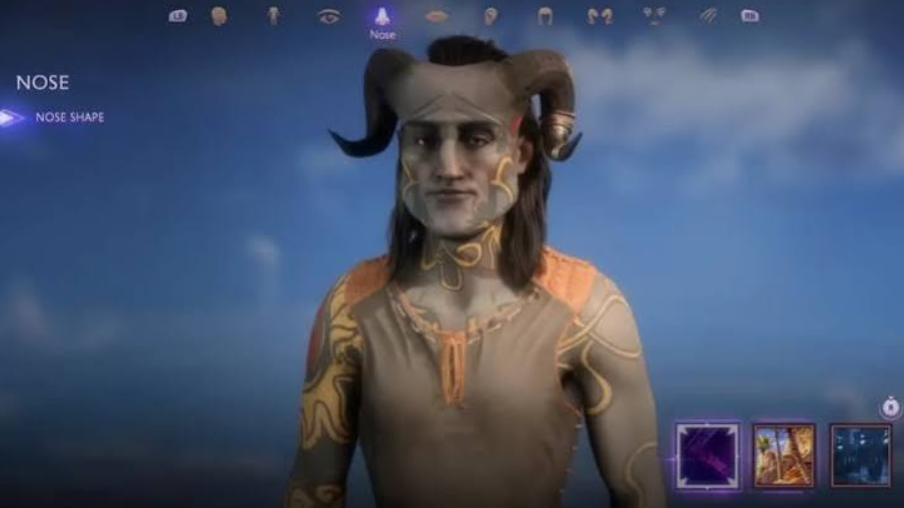
The weak performance caused EA’s stock price to fall by 18-22% and forced the corporation to launch restructuring processes within the Canadian studio.
BioWare Reduced to its Core: What’s Left of the Studio
-
Massive workforce abbreviations and transfers of specialists to other EA divisions after the release.
-
The departure of key creators of the game universe, including Patrick Weekes and Karin Weekes.
-
A complete freeze on all ideas for developing the Thedas lore.
-
Reallocation of BioWare’s remaining resources exclusively to the production of Mass Effect under the leadership of trilogy veterans.
The Leadership Vacuum at BioWare: Can Any Studio Revive the Franchise?
Darrah emphasized that the current BioWare team simply lacks a leader capable of pitching the next installment.
Even if a hypothetical third-party team were to try to seize the initiative and pitch its concept to EA management, BioWare itself would quickly block such an attempt for intellectual property rights reasons. It’s impossible to assume a quick announcement under these circumstances.
Technical Barriers and Publisher Strategy: The Death of The Champions Trilogy Remaster
Even the “easy money” route of remastering classics has been closed. BioWare proposed a compilation project, “The Champions Trilogy,” which would have included remasters of Origins, Dragon Age 2, and Inquisition.
The publisher declined. The reasons for this were top management’s principled stance against remasters and the technical difficulty of porting games created on radically different engines (Eclipse, Lycium, and Frostbite) to modern platforms.
There has been no official comment from EA regarding Darrah’s statements. Fans shouldn’t expect any news about the series for the next 3-5 years. The only theoretical scenario for the brand’s revival remains a hypothetical change in EA ownership, but even in this scenario, Dragon Age is unlikely to be on the list of priority titles.