Valve has updated the Global Regional Ranking (VRS) on January 5, 2026, effectively distributing tickets to the main events of the first half of the season. This update became the final filter for the formation of the lists of participants of IEM Krakow, PGL Cluj-Napoca and ESL Pro League Season 23.
Table of Contents
Analysis of the top 20 of the world ranking and direct invitations
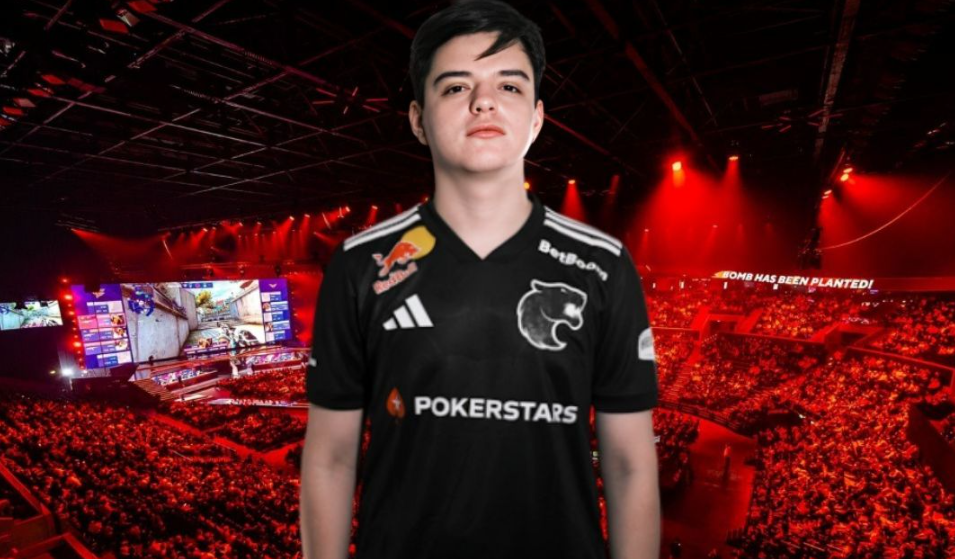
The Brazilian organization FURIA has held the leadership since November last year. Despite fierce competition from European teams, the Panthers have maintained the status quo. The main changes occurred in the top five after the triumph of Team Vitality at the StarLadder Budapest Major 2025.
-
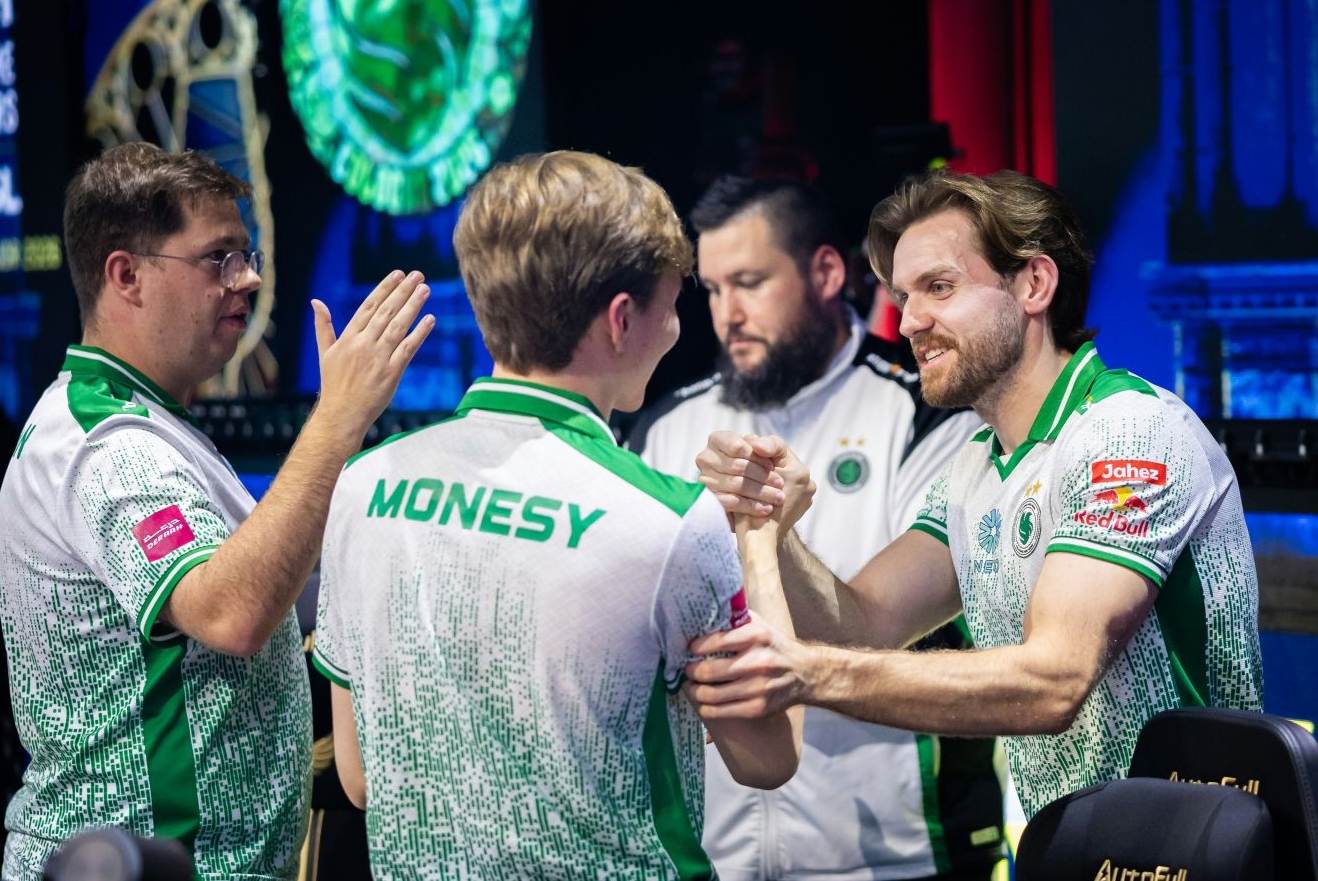
Team Vitality (+1): The Budapest Major champions predictably moved up to 2nd place, displacing Team Falcons. Gold in Hungary earned the team not only $500,000, but also a guaranteed slot in Stage 2 at all upcoming top tournaments.
-
FaZe Clan (+10): The main breakthrough of the month. Reaching the grand finals of the Budapest Major allowed Carrigan’s international roster to break into the top 10, rising from 17th place.
-
NRG and GamerLegion: The teams literally “jumped into the last carriage”. Thanks to NRG’s victory at Fragadelphia Miami 2 and the GamerLegion bronze, both teams secured their participation in the first stage of IEM Krakow.
Tournament calendar and VRS slot allocation
The January ranking is not just numbers, but a document defining the logistics of the teams for the next four months. According to Valve’s regulations, invitations are sent strictly according to the VRS list without the right to substitute (except for force majeure situations with visas).
-
IEM Krakow (January 28 — February 8): Total prize pool of $ 1,250,000. The top 8 teams in the ranking go straight to the second stage, while the remaining 16 will start with a Play-in.
-
PGL Cluj-Napoca (February 9th — 22nd): A 16-team tournament with a prize pool of $625,000. There will be no qualifications here — only the top 16 according to the VRS version on January 5th.
-
ESL Pro League Season 23: Forms a grid based on global and regional quotas, where positions in the top 20 guarantee a place in the group stage.
| Position | Team | Change | Key Result |
|---|---|---|---|
| 1 | FURIA | — | Maintained the top position since November 2025 |
| 2 | Vitality | +1 | Won the StarLadder Budapest Major |
| 5 | NAVI | +5 | Major Top-4 finish, points stability |
| 20 | NiP | +9 | First Top-20 entry since October |
Valve ranking factors and auditing of team positions
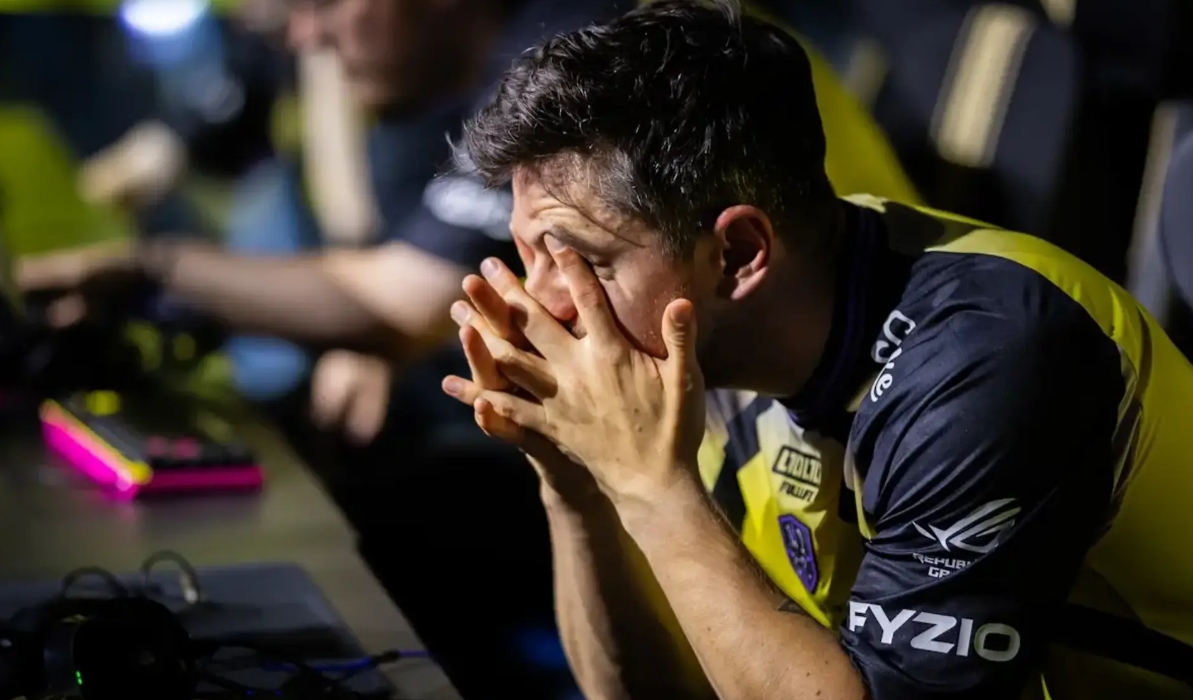
The current Valve system severely punishes skipping tier-1 events. The fall of G2 Esports (-3) and Team Liquid (-5) is due to the early departure in Budapest, where the teams were unable to score distance points. Based on the dynamics, it is critically important for teams from the bottom of the top 20 (Astralis, HEROIC, paiN) to show results in Krakow, otherwise they risk falling out of the invitation cycle to summer tournaments and IEM Rio.
Major 2026 reform and new CS2 qualifications format
Valve has completely reshaped the landscape of the CS2 professional scene, expanding the majors to 32 teams. The new structure includes three full-fledged stages of the Swiss system with a combination of Bo1 and Bo3 relegation matches. However, the main factor in the destabilization was the open qualifiers, which turned the path to the title into a real lottery for the favorites.
VRS rating as the main criterion for the success of organizations
The updated Valve Regional Standards (VRS) rating is now recalculated weekly. The system is tightly tied to three variables: the amount of prize money, personal meetings (H2H) and the quality of defeated opponents. In this mathematical model, one failure on a conditional IEM instantly throws an organization 10-15 positions down.
The risks of favorites: The top 1 of the VRS rating is no longer immune. In the conditions of the Bo1 roulette of open qualifications, any team from tier-1 can be eliminated from a random mix, which completely nullifies their annual progress.
A chance for the underdogs: Fresh roasters, unencumbered by the burden of past defeats, get a legal window to take off. For bettors, this means the end of the era of safe betting on early favorites — the value of the “dark horses” is now at its peak.
The strategy of the teams for grinding points in the Valve system
In order not to become a victim of the system, top organizations are changing their approach to season planning. The era of selective tournament attendance is over; now the concept of total presence on the server dominates.
| Strategy Element | Execution Method |
|---|---|
| Intensity | Transition to a schedule of 40+ tournaments per year to accumulate VRS points |
| Forecasting | Use of Spearman models (0.98 accuracy) for bracket evaluation |
| Preparation | Specialized bootcamps for Bo1 formats and expansion of the map pool |
The experience of teams like SAW proves that only a combination of intense grinding and an analytical approach can mitigate the “lottery” effect in open brackets. Organizations must invest in extensive analyst teams to evaluate each potential opponent using the VRS model before the match even begins.