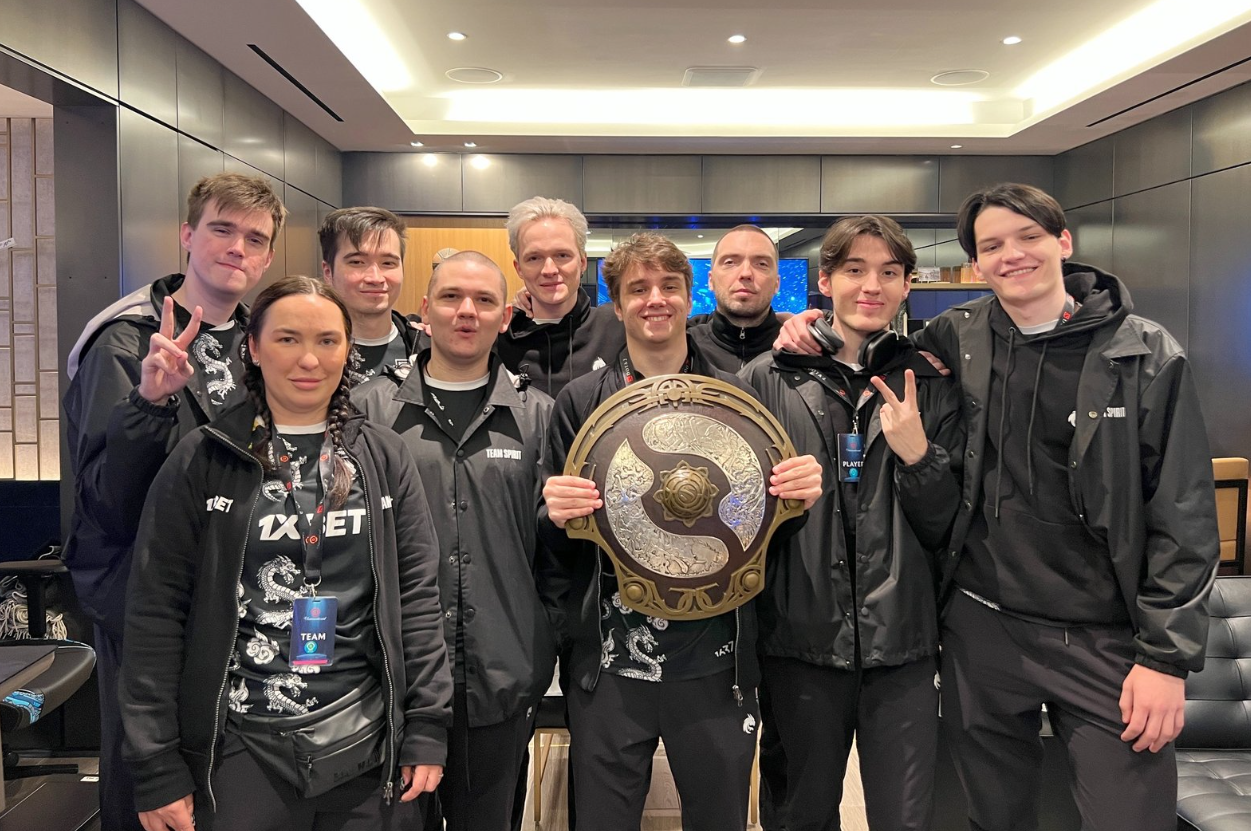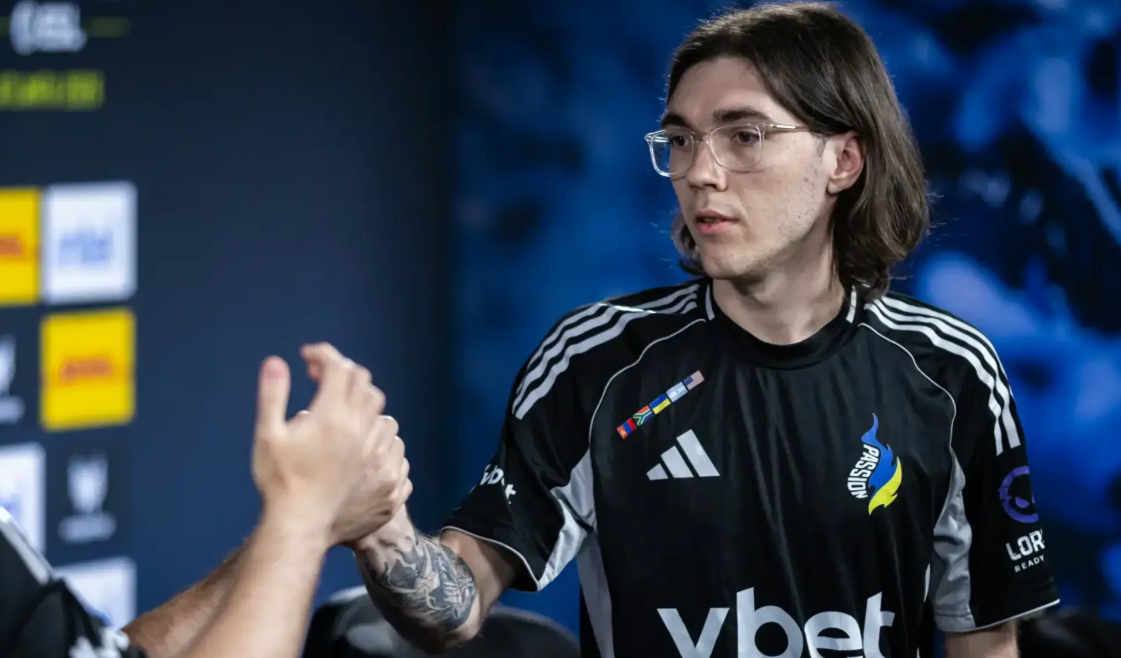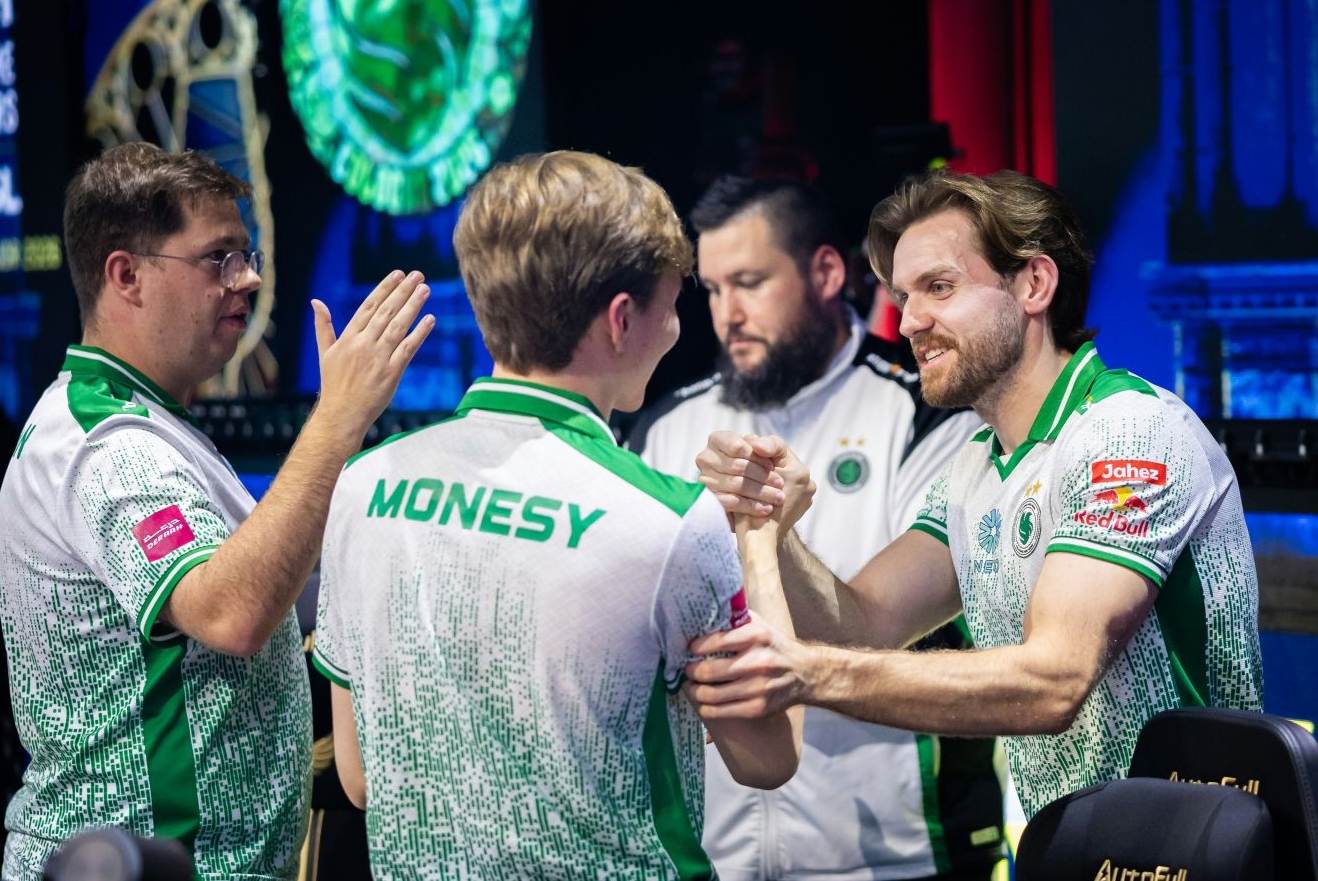
The triumph of Team Yandex ended with the big esports event PGL Wallachia Season 7 — on March 15, 2026, the team defeated Team Liquid in an intense struggle with a score of 3:2. Analysts from Esports Charts have already summed up the results: the championship managed to simultaneously set a historical record and show the worst result in the series in terms of peak online. In total, viewers spent more than 16,033,491 hours watching the matches, which is an impressive figure.
Table of Contents
PGL Wallachia Season 7 Recap: Why Viewing Time Has Increased
The record—breaking total viewing time is due not only to the interest of the public, but also to the exorbitant duration of the games themselves. The teams spent 112 hours and 35 minutes on the air. At the same time, the average online audience remained at 142,415 viewers, a stable result for the studio format, confirming its survivability.
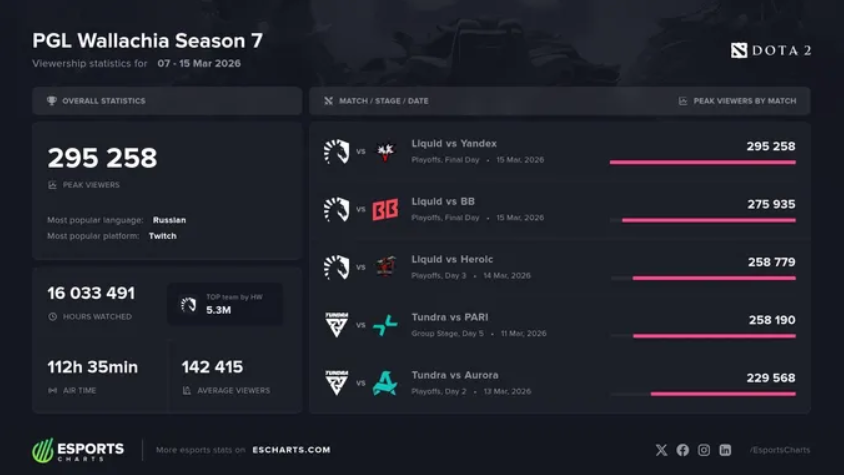
The main figures of the tournament are:
-
Total viewing time: 16,033,491 hours — the absolute peak for the entire PGL Wallachia series.
-
The most sought—after tag: Team Liquid – matches with their participation have collected more than 5.3 million hours.
-
Average audience: 142,415 people were on the broadcast at the same time.
Team Yandex vs. Team Liquid finals and online pick
The grand final between Team Yandex and Team Liquid became the most popular match of the event, bringing together 295,258 people at the same time. And here lies the main paradox: despite the status of the decisive meeting, this figure was the lowest in all seven seasons of the league. The peak interest of the audience has clearly subsided, perhaps due to the oversaturation of the calendar or the specifics of time zones.
Nevertheless, the financial side of the issue is comparable to optimism. Esports Charts experts estimated the potential payback of the championship only due to views in excess of $ 5 million. This is a clear signal for the industry — even with a drop in explosive interest in the finals, a loyal audience base is ready to “sit out” hundreds of hours of content, bringing the organizers a solid profit. The next stop for the top teams is to prepare for the summer majors, but the balance of power in the top has clearly changed after March 15.