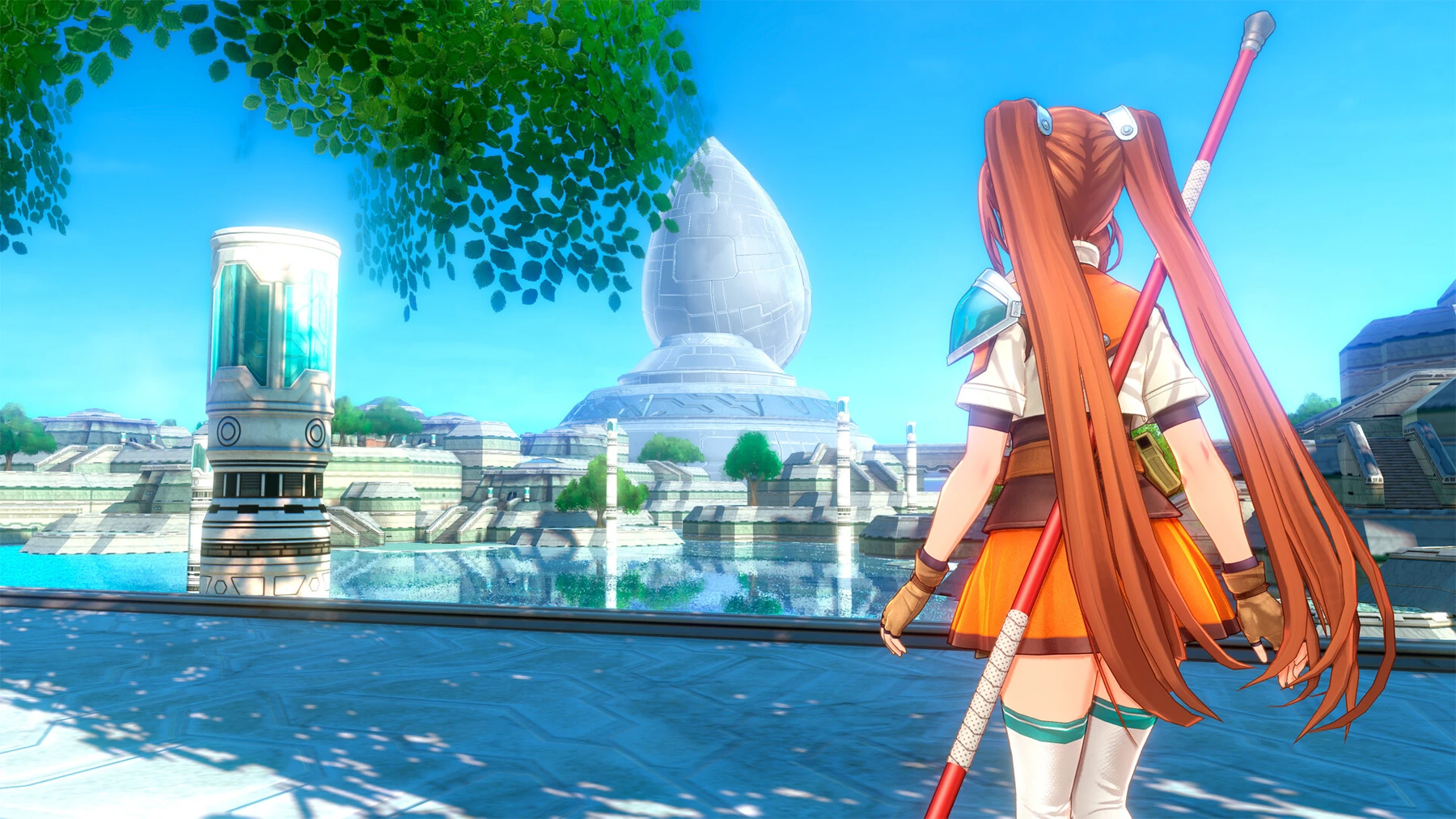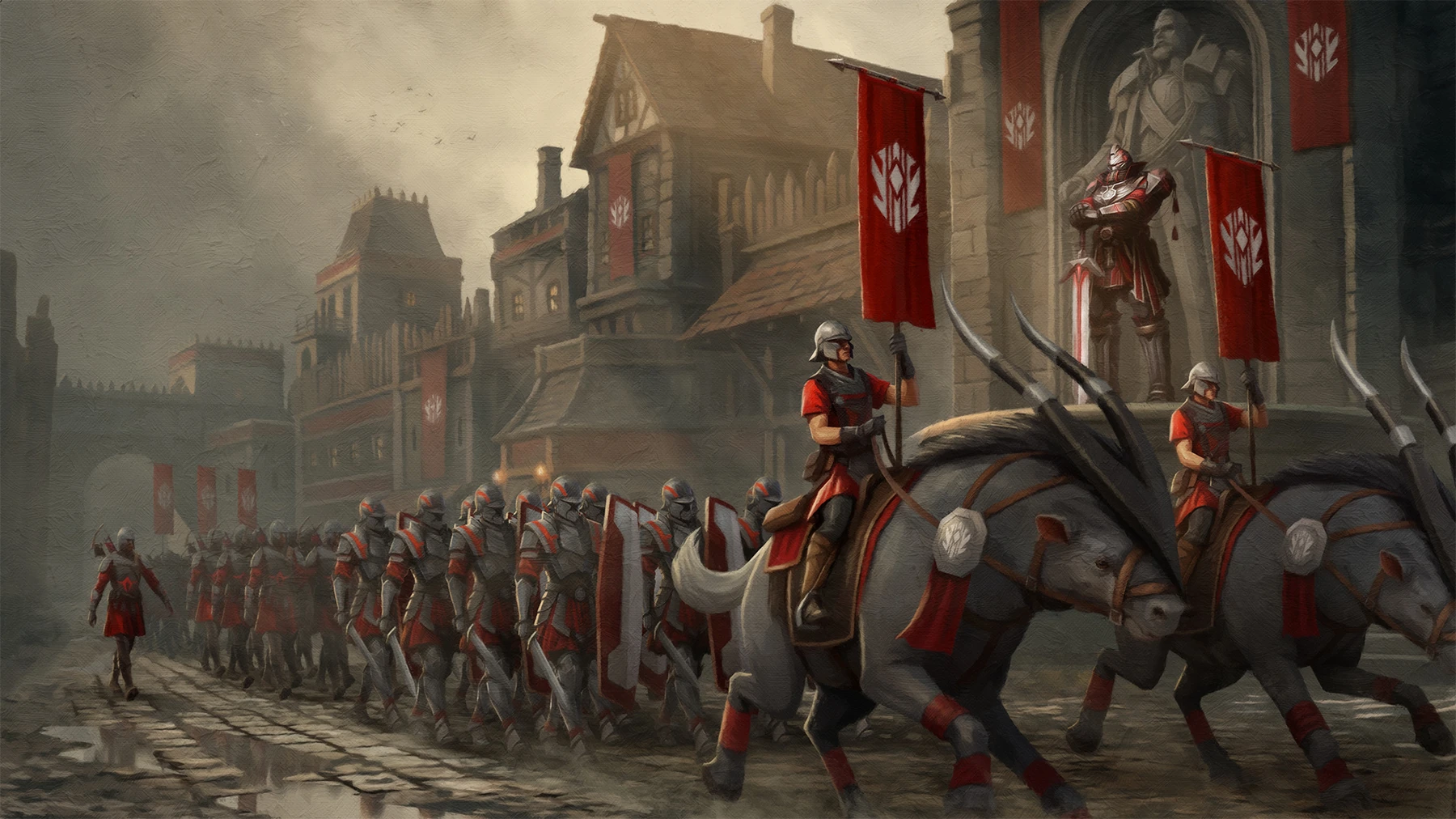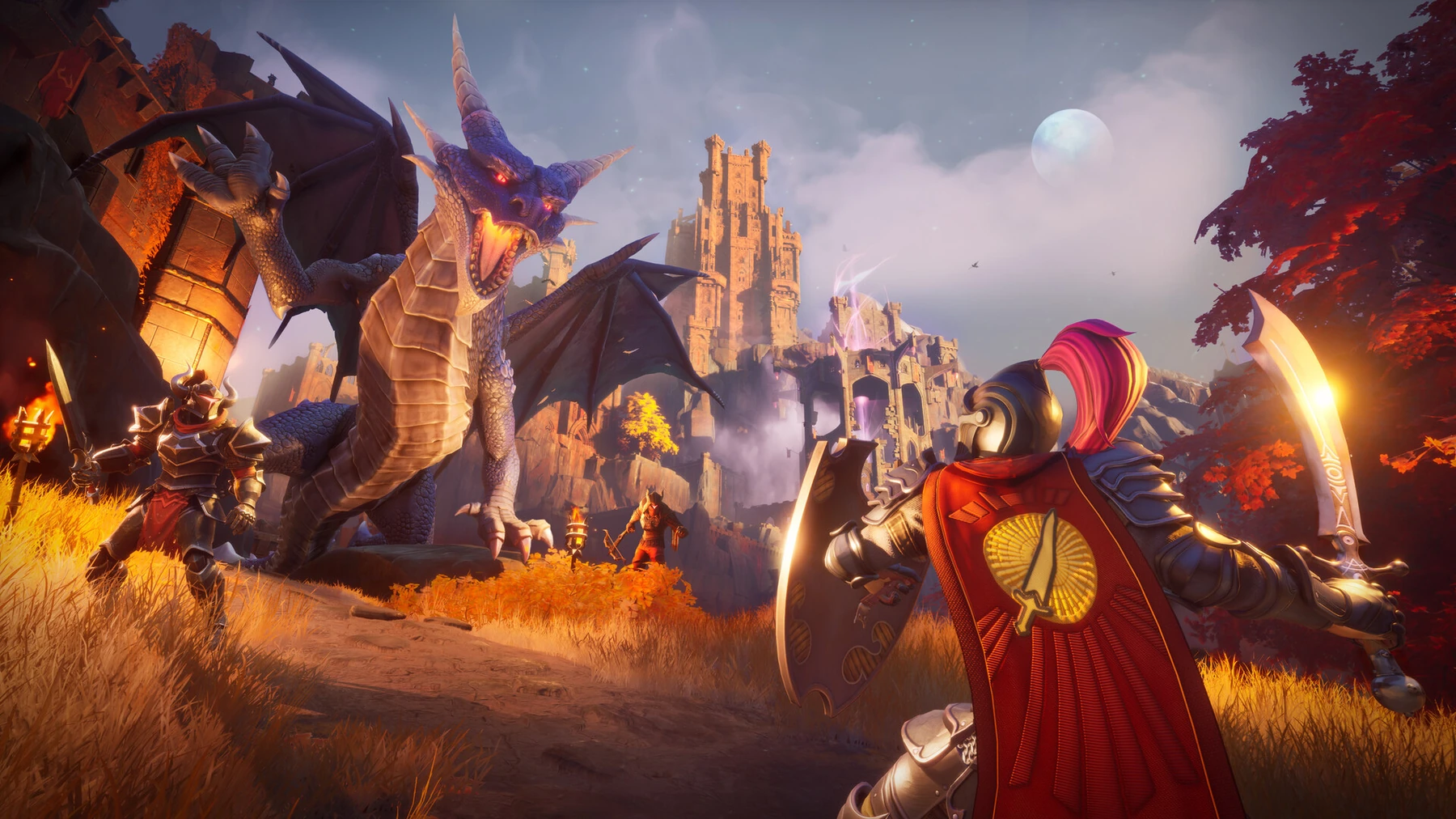
Graveyard Keeper 2 expands the job beyond maintaining a cemetery. Its announced September 22 release puts the player in the role of Grand Inquisitor, with a town to restore, production to automate and an undead force to equip. The sequel’s central change is the connection between those responsibilities: resources and workers support both the local economy and the defence of the settlement.
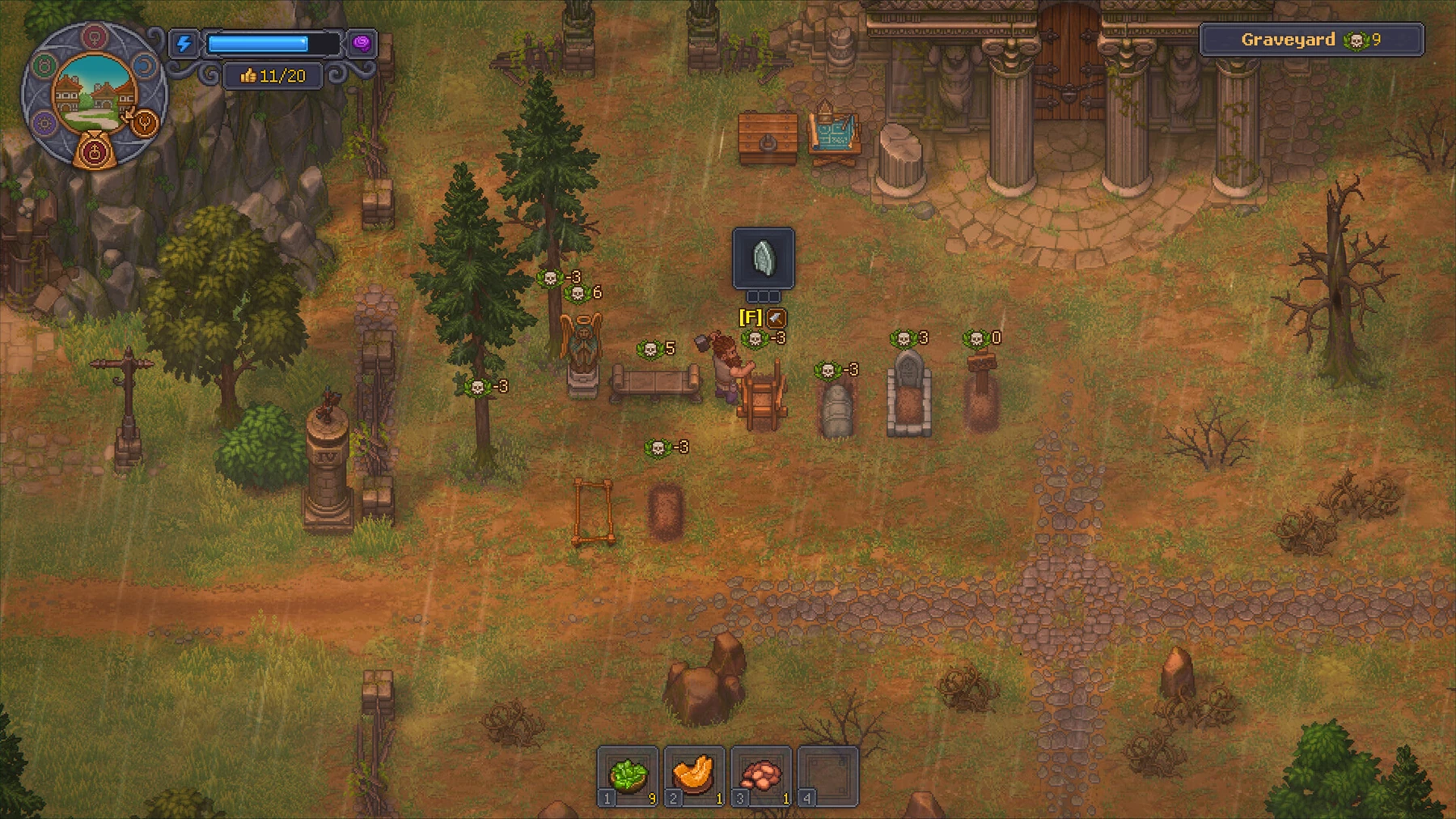
Table of Contents
The cemetery supplies materials for crafting
Managing a medieval graveyard is still part of the sequel’s identity. The official description connects gathered plants, animals and human remains to machinery and production. Its grotesque humour remains visible in that premise, but the practical question is straightforward: what can the available resources produce, and which task needs those products next?
Expanding production only helps when it serves a useful purpose. A player might need more materials for construction, supplies for a quest or equipment for the army. Those are different demands on the same operation. The sequel’s announcement supports a broader management loop, not a claim that every resource chain or machine from the first game returns unchanged.
Town rebuilding adds customers and competing needs
The town is not merely a background illustration. Players are asked to restore homes and complete quests for residents, turning local problems into opportunities for revenue. That creates a reason to move between the cemetery’s production systems and the people who need the results.
The interesting management choice is how to balance immediate income with work that improves future production. Completing one resident’s task could be a short-term priority, while repairing or expanding another part of the operation may serve a longer plan. Exact prices, quest rewards and construction costs have not been established by the store description, so they should not be invented as if this were a tested opening strategy.
Undead workers support automation
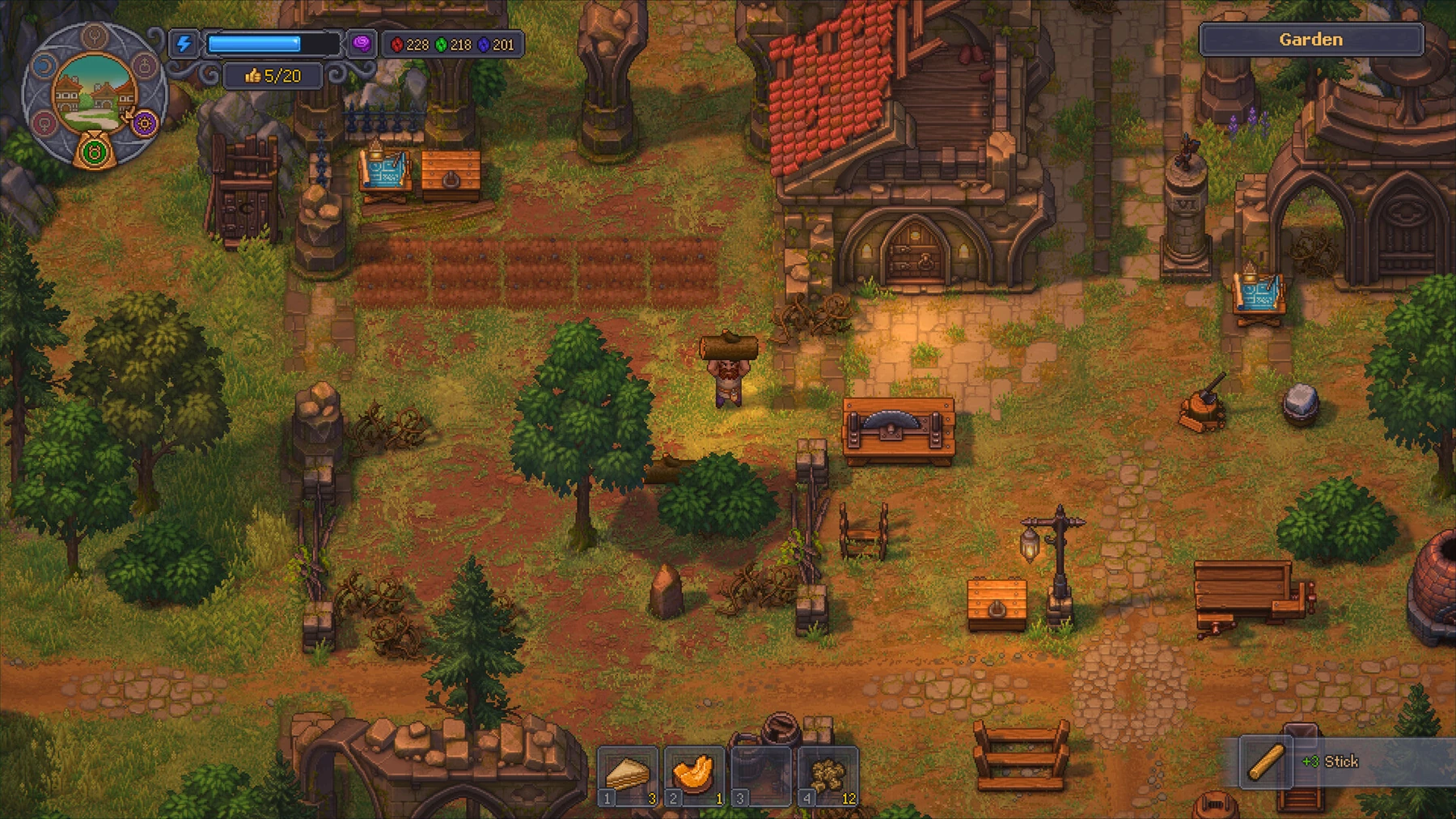
The sequel explicitly promotes zombie-based automation, with undead workers handling labour while the player deals with quests and other responsibilities. Automation therefore changes where attention can be spent. Instead of manually repeating every production step, the player can build an operation intended to continue supporting activity elsewhere.
That does not make planning unnecessary. A production chain still needs the right inputs and a useful destination for its output. A sensible way to approach the announced system is to identify the repeated task that most often interrupts an expedition or town objective, then look for a way to automate that task. This is an interpretation of the management loop, not a claim about an unannounced machine, worker capacity or upgrade price.
The army must be trained and equipped
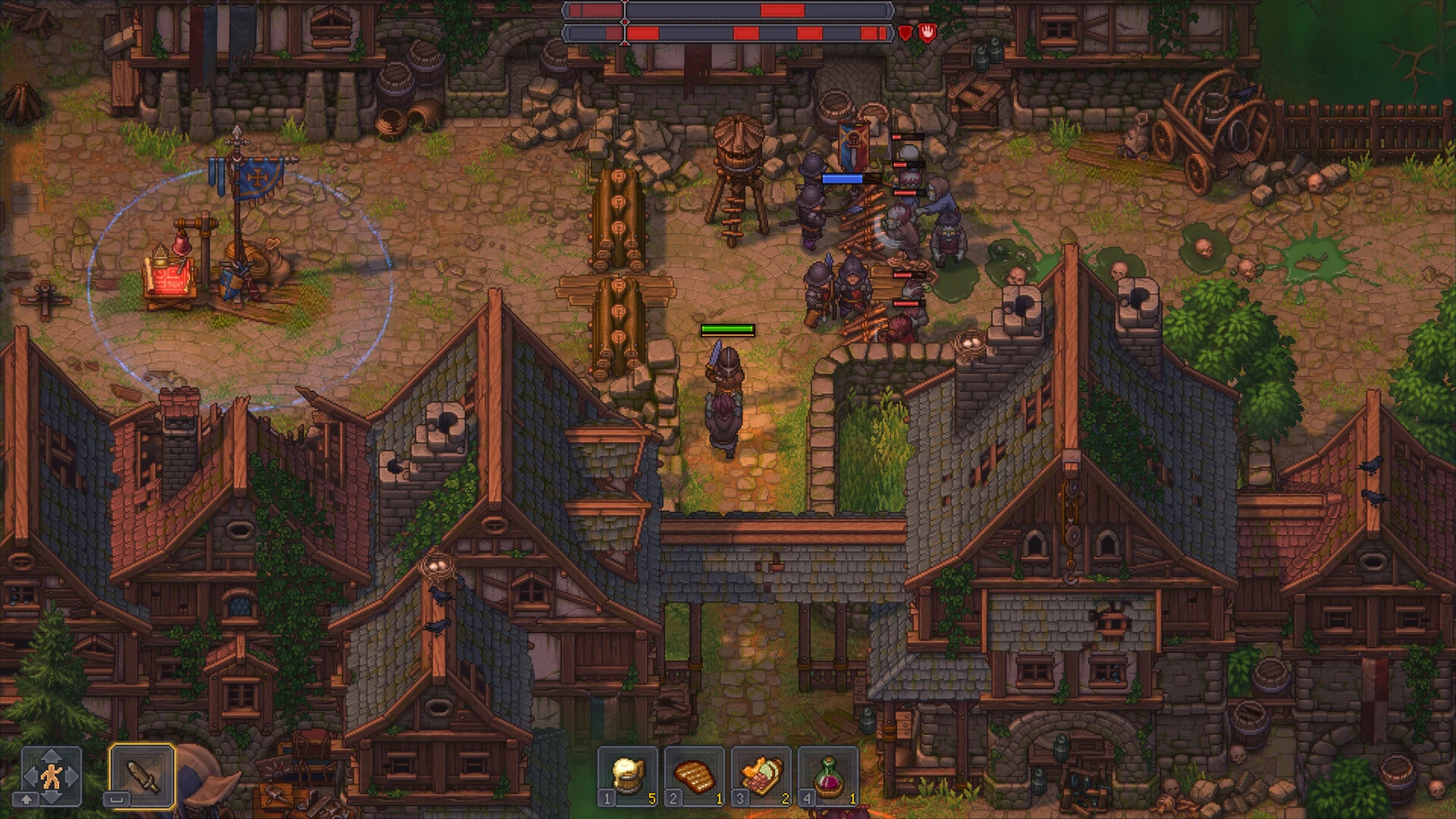
The Grand Inquisitor role brings military responsibilities. The official feature list includes leading an undead army, crafting armour and weapons, and training troops. Town defence also involves towers and fortifications. The sequel is therefore adding preparation for conflict to a game that still depends on resources and production.
The announcement should not be stretched into an unsupported description of a full real-time strategy system or an exact command interface. It establishes an army and defensive construction, but not every way the player controls a battle. The useful distinction is that equipment and fortifications create demands before an encounter begins. Fighting is connected to the management systems rather than presented as a completely separate side mode.
Ordinary jobs still involve the undead
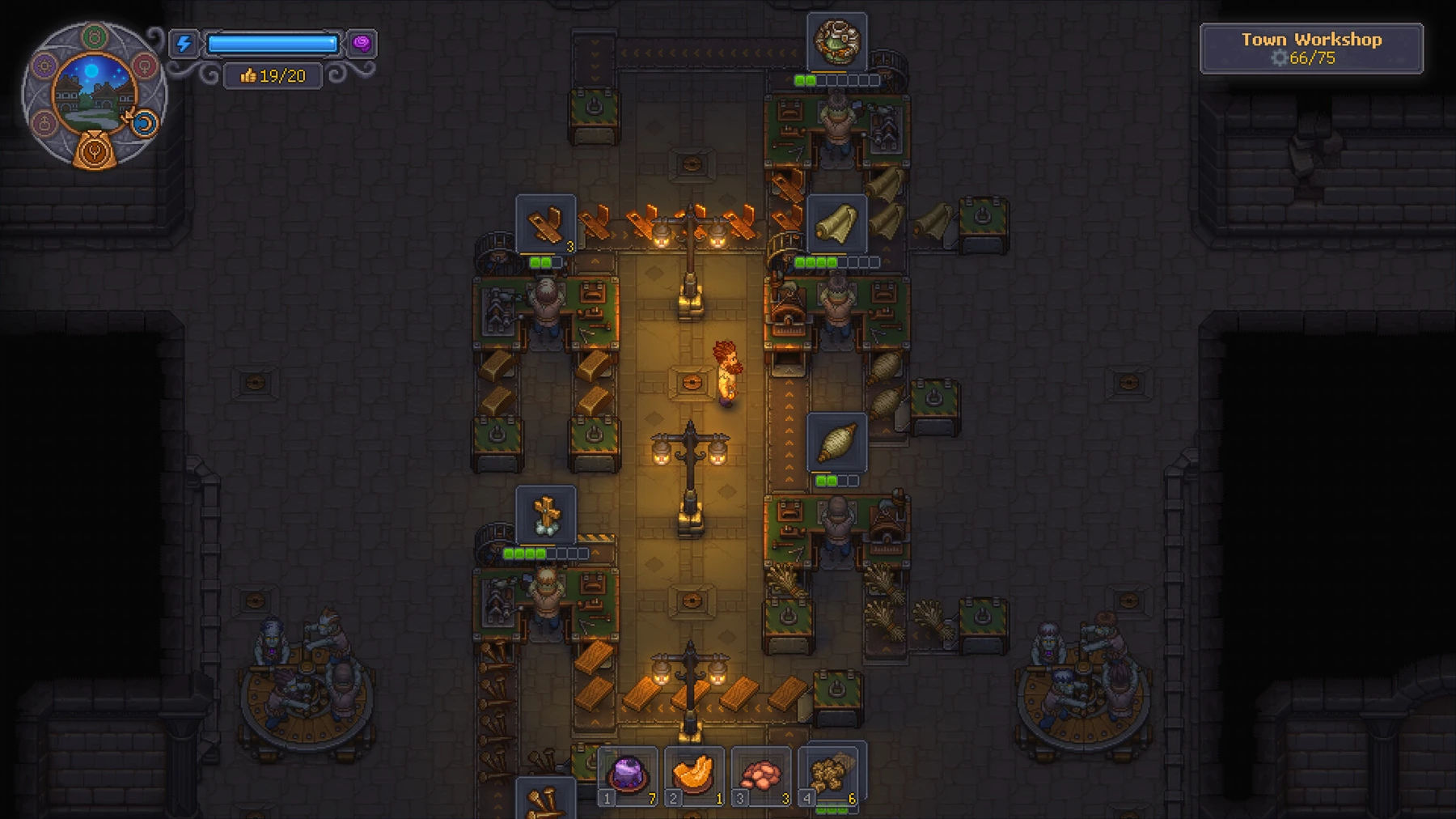
The sequel combines everyday work with its deliberately grotesque treatment of the dead. Residents need help, the cemetery needs management and the player is encouraged to make a profit from both. Undead workers are not only enemies or background decoration: they are part of how the business operates. The new town and military duties extend that contrast into more parts of the game.
For a fan of the original, the main comparison is scale: a cemetery, an automated workforce, a restored town and an equipped army are now described as connected responsibilities. For a newcomer, that also explains why the title is not simply a combat game about zombies. The everyday management of labour and resources remains essential to what the player is being asked to do.
The release listing is still a pre-release description
Steam lists September 22 as the planned release date. Before that date, the official features describe what the sequel intends to offer, not a completed review of its balance, length or technical state. A promotional purchase button or discount should not be read as proof that the full game is already available to play.
The strongest reason to follow Graveyard Keeper 2 is the way its new duties could interact. Town requests can create production goals; automation can free time for those requests; an army can require equipment from the same operation. Whether those systems remain manageable over a full campaign is a question for the released game. The announced design, however, clearly moves beyond a larger graveyard alone.