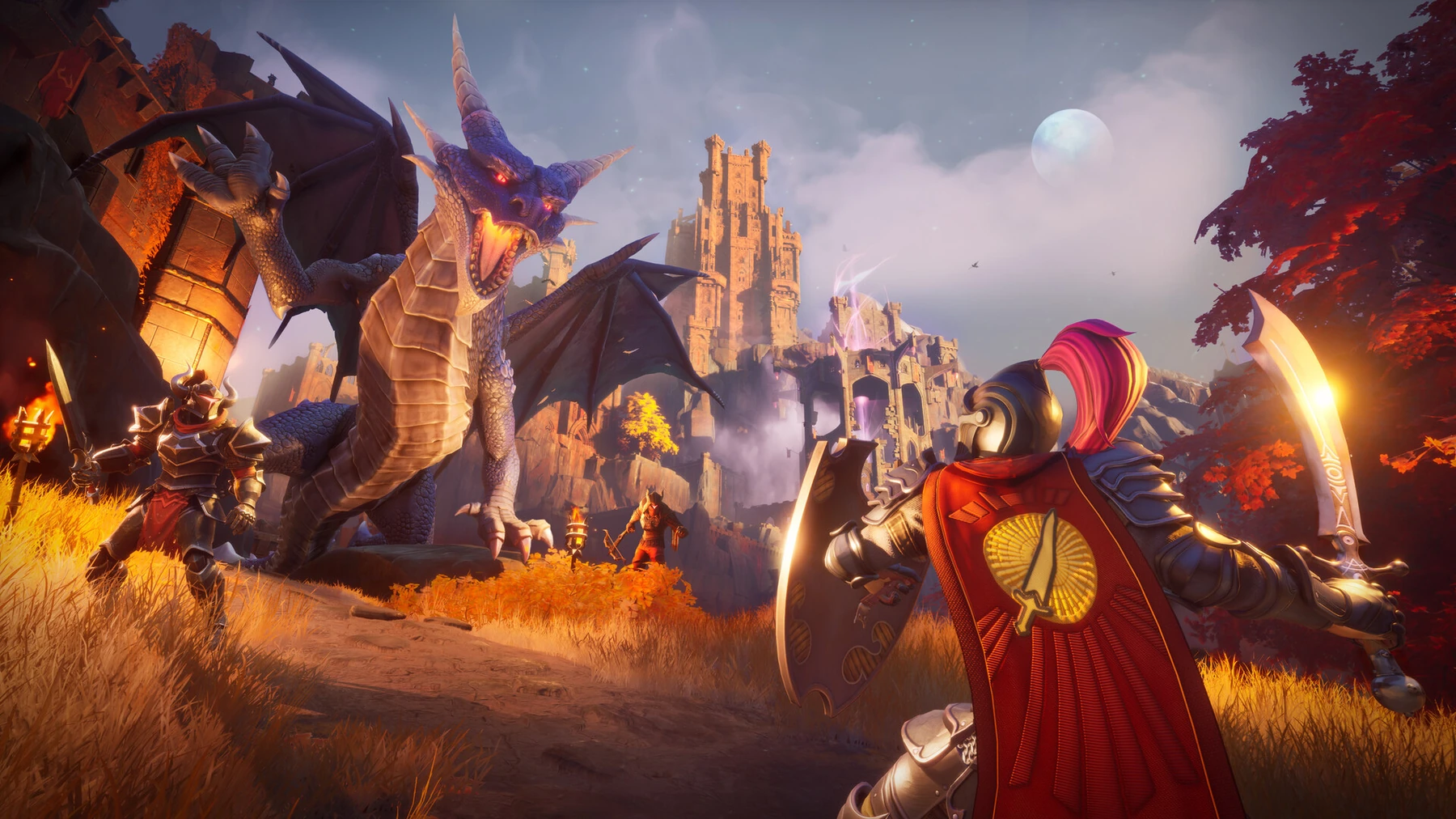
Endless Legend 2’s two announced Rogue Factions are more than visual alternatives to existing factions. The Order of Zelevas rewards territorial expansion and purchases units instantly with Dust. The Severed Claws connects recruitment and population to its treatment of minor-faction villages. Both variants will be free additions with the September 17 release of version 1.0, giving returning players new strategic problems rather than just new leaders to select.
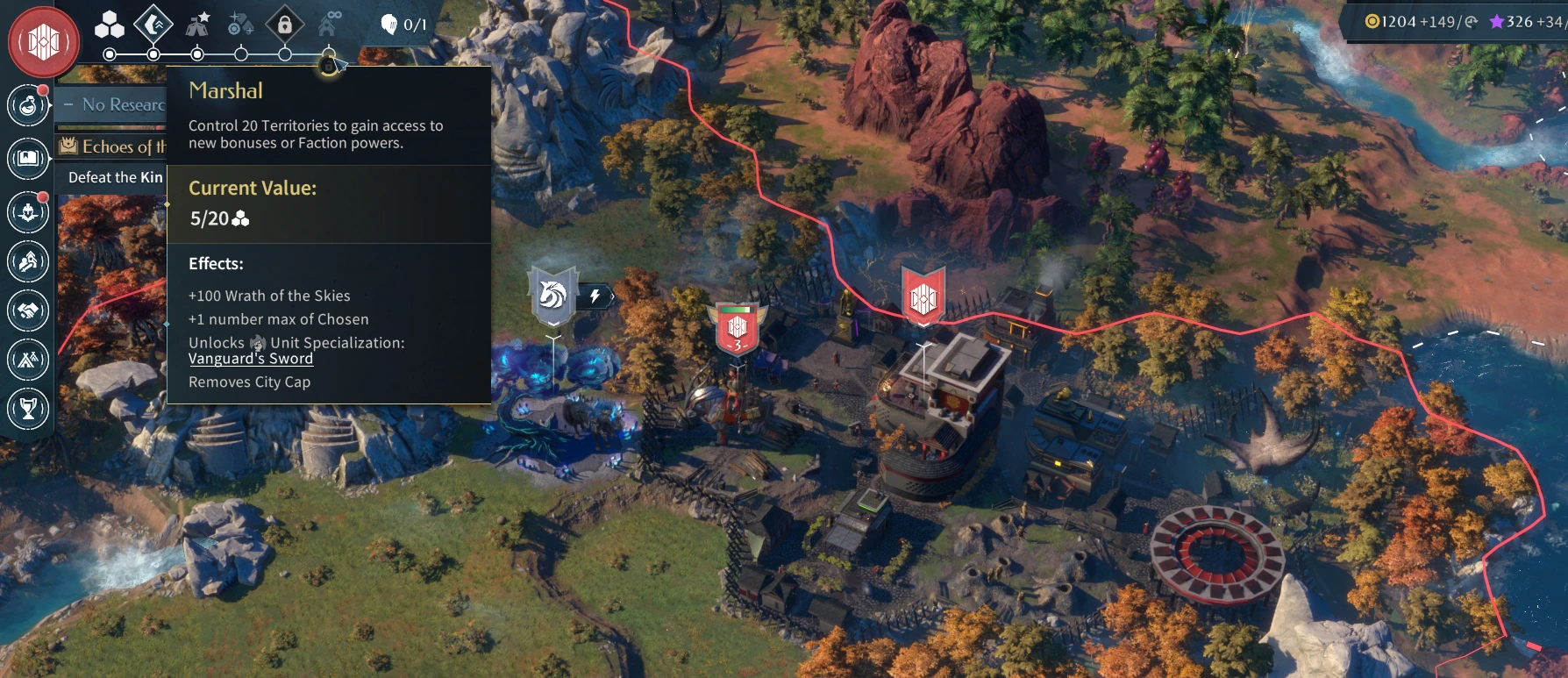
Table of Contents
Rogue Factions keep some familiar rules but change the strategy
Amplitude describes Rogue Factions as playable groups that have broken away from an existing major faction. Some of their core rules remain familiar, but they receive different traits, a distinct combat rule, their own leader and a shorter faction story. Experience with the original faction helps explain these differences. It does not mean that the same decisions about early expansion and military spending will suit both groups.
The distinction is especially important when comparing them with cosmetic skins. Their changes affect the decisions made while founding cities, acquiring units and fighting battles. A player returning for 1.0 should read the variant’s actual traits before repeating a familiar construction plan. A shared origin is not a promise of identical development priorities.
The Order unlocks bonuses by expanding its territory
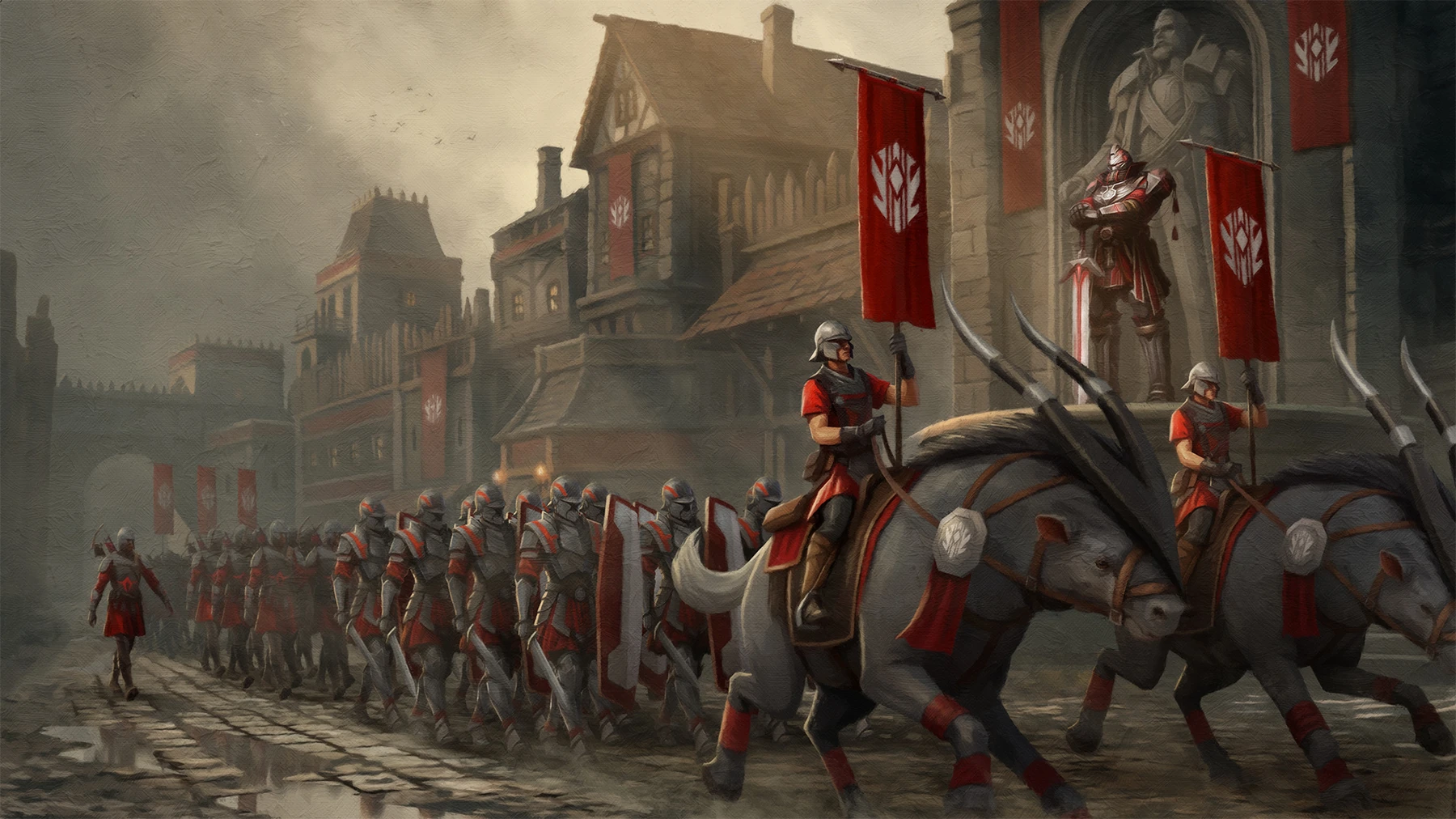
The Order of Zelevas separates from the Kin of Sheredyn under Imperator Vecc. Where the Kin unlocks abilities through stronger fortifications in its capital, the Order gains its unlocks through territorial expansion. At the highest level, its announced bonuses remove the city cap entirely. That creates a direct reason to value additional territory beyond the resources a particular city produces.
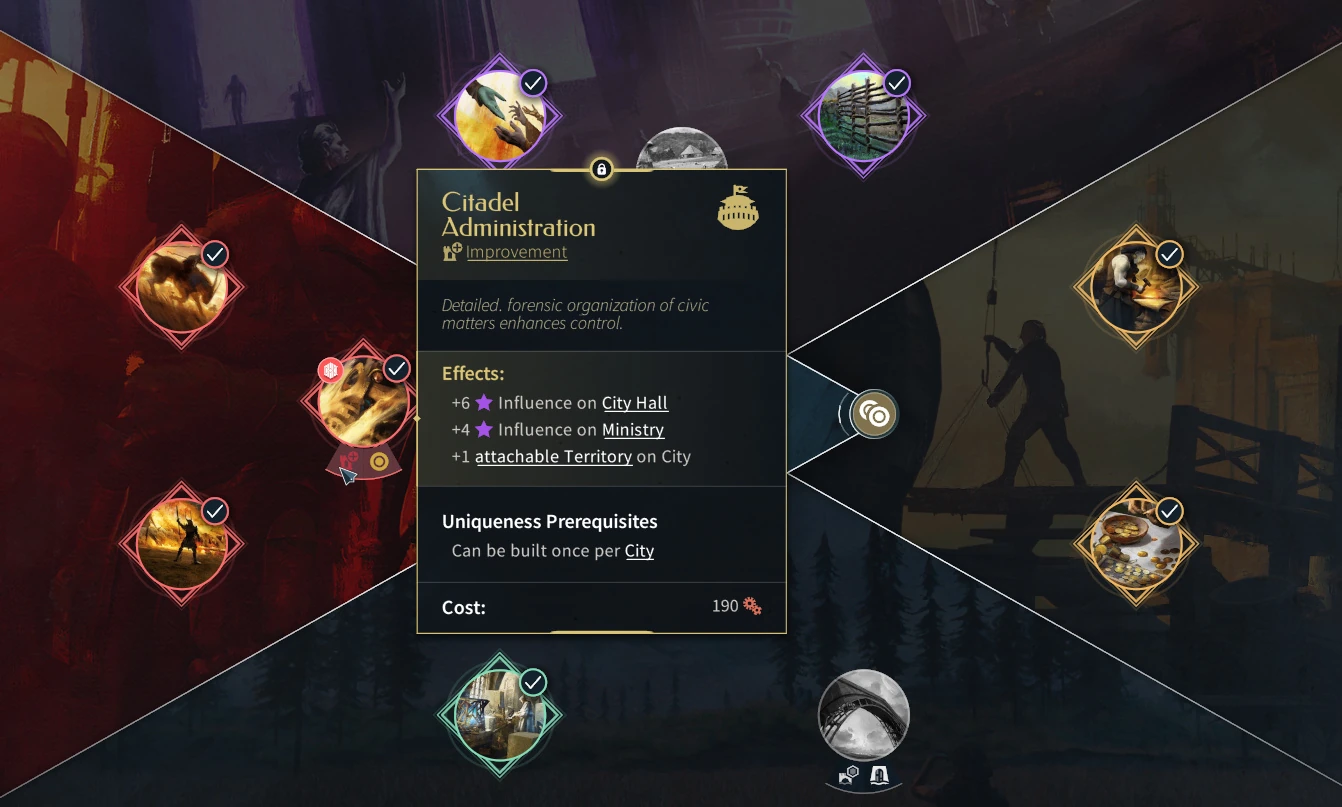
Several unique infrastructures also gain bonuses from owned city centres and ministries. The faction does not have access to the Kin’s level-three districts, so expansion is not simply an extra reward added to an otherwise unchanged construction system. Its districts can instead level up easily near its centres of power. Location and the relationship between districts and those centres become part of the expansion decision.
| Faction | Main development incentive | Military distinction |
|---|---|---|
| Order of Zelevas | Expand territory to unlock bonuses | Spend Dust to obtain troops immediately; Keeps provide cavalry |
| Severed Claws | Connect villages, population and districts | Obtain troops from villages and train additional units in the capital |
Dust and cavalry shape the Order’s military choices
The Order recruits its units instantly with Dust and receives a cavalry unit whenever it constructs a Keep. Its combat emphasis shifts away from the Kin’s tightly organised defensive formations toward cavalry capable of charging and enduring counterattacks with shields. These are different incentives for both the economy and the battlefield.
Units still cost Dust even when they appear immediately. Spending this currency on other projects can leave too little to buy troops when an enemy attacks. Keep the next likely battle in mind before spending the reserve. Instant access to a unit helps only if the player can pay for it. The announcement does not give a complete price list, so the amount to keep available will depend on the units and costs in the released version.
The Severed Claws depends on minor-faction settlements
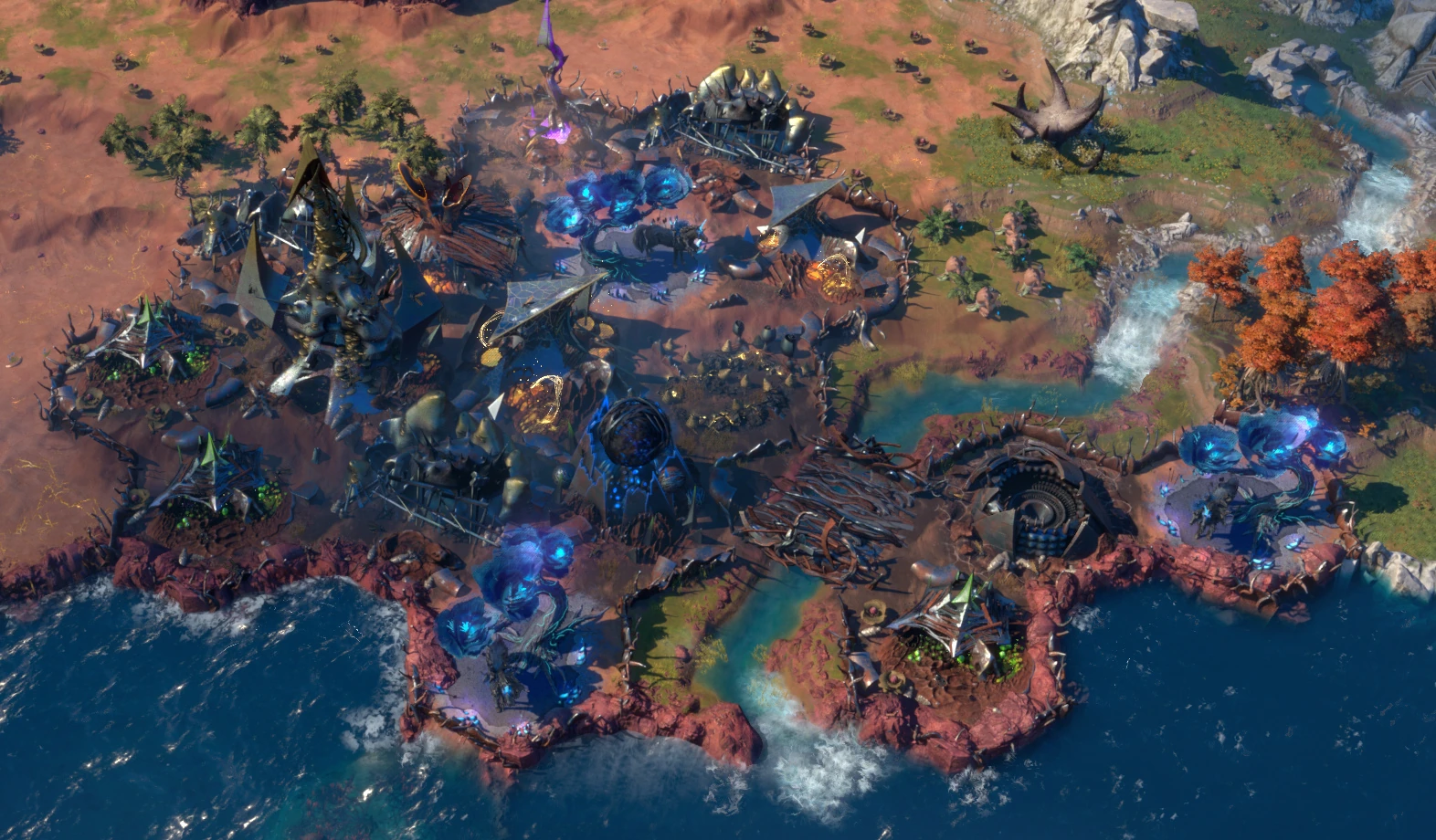
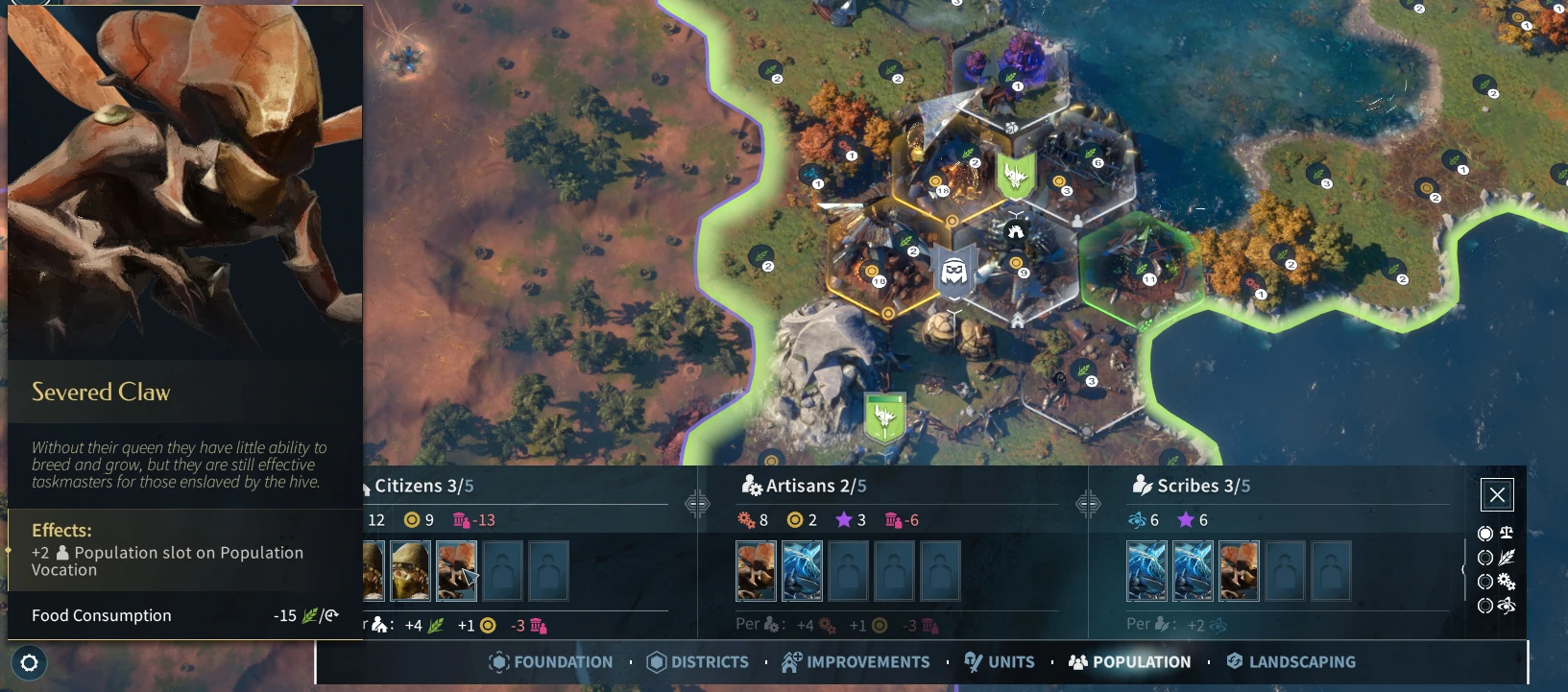
Separated from its queen, the Severed Claws no longer follows the main Necrophage hive’s normal replenishment pattern. It can include minor-faction population in its cities, but that population does not grow on its own. Rebuilding a pacified village adds new minor-faction population. This makes the settlement network relevant to development, rather than treating villages only as targets or obstacles.
The faction also lacks special districts such as the Matriarch’s Eye and groups its districts around minor-faction villages. Its population and district rules are closely connected. Communal Habitations help population grow rather than providing population slots directly; population then provides slots and reduces district costs. Different population categories should not be collapsed into a claim that all residents grow in the same way.
Village destruction supplies units, but it is not the only production route
Destroying a minor-faction village creates a unit from that faction in the Severed Claws capital. However, Amplitude also says the faction constructs its own units in the capital. It would be incorrect to report that destroying villages is the only possible way it can obtain soldiers. The actual restriction is that it cannot rely on larvae after every battle in the same way as the parent hive.
The variant also gains a second attack in a turn after destroying an enemy. That can reward choosing an attack order carefully: a unit able to finish one target may then contribute again. It does not justify assuming unlimited repeated attacks or a guaranteed defeat of a second target. The rule creates an opportunity, while the combat situation still determines whether it is useful.
Returning players will also encounter earlier system changes
The new factions arrive after an Early Access period that has already changed combat and empire management. Amplitude’s retrospective lists encirclement, zones of control, melee retaliation and revised district costs. Playing with a gamepad and reading story events in the revised interface are also part of the earlier improvements. These changes arrived during development; they are not all new features of the 1.0 patch.
For a first campaign with a Rogue Faction, learn its economic constraint before attempting an elaborate military plan. The Order asks how far expansion and a Dust-funded army can be supported. The Severed Claws asks how village decisions sustain population and recruitment. Those are distinct questions, which is why the two variants offer a meaningful reason to revisit the game at full release.