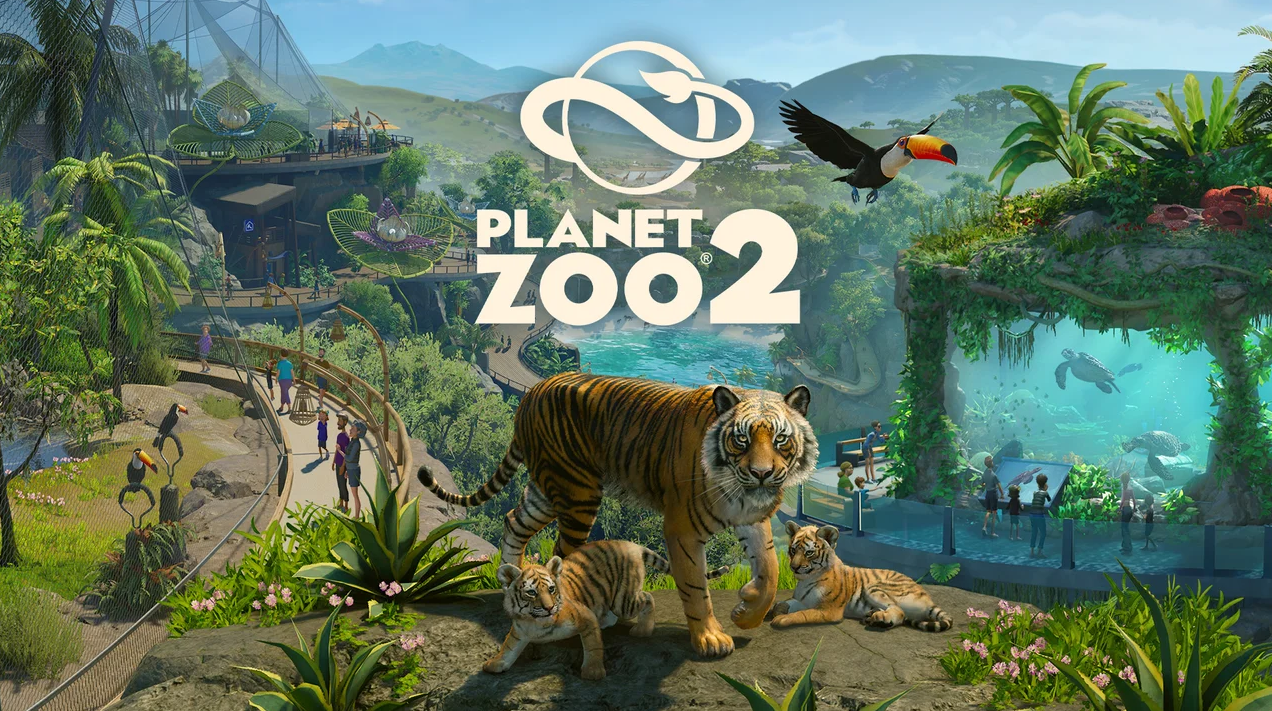
Frontier Developments has officially unveiled *Planet Zoo 2*—the sequel to their hit 2019 zoo management sim. And by all accounts, the sequel looks to be a worthy successor. The game is set to release on October 13th, launching not only on PC but also on PlayStation 5, Xbox Series X, and Xbox Series S.
What about pricing? The Standard Edition on PC will cost 4,922 rubles, while on consoles, it will be slightly more expensive at 5,037 rubles. However, the PC version will ship with Denuvo DRM protection. There is hope that this protection might be removed later on, but for now, that is the situation.
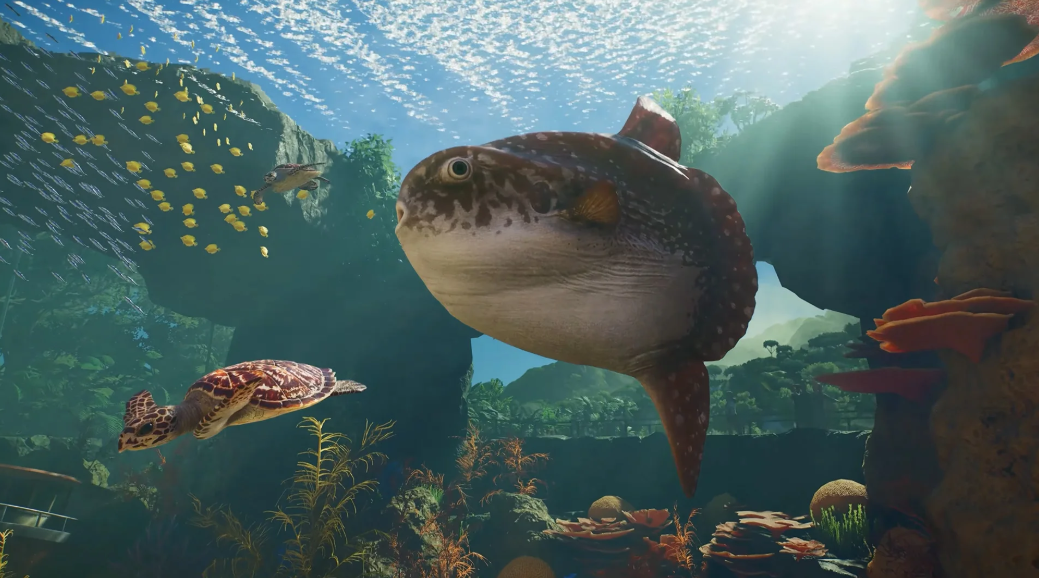
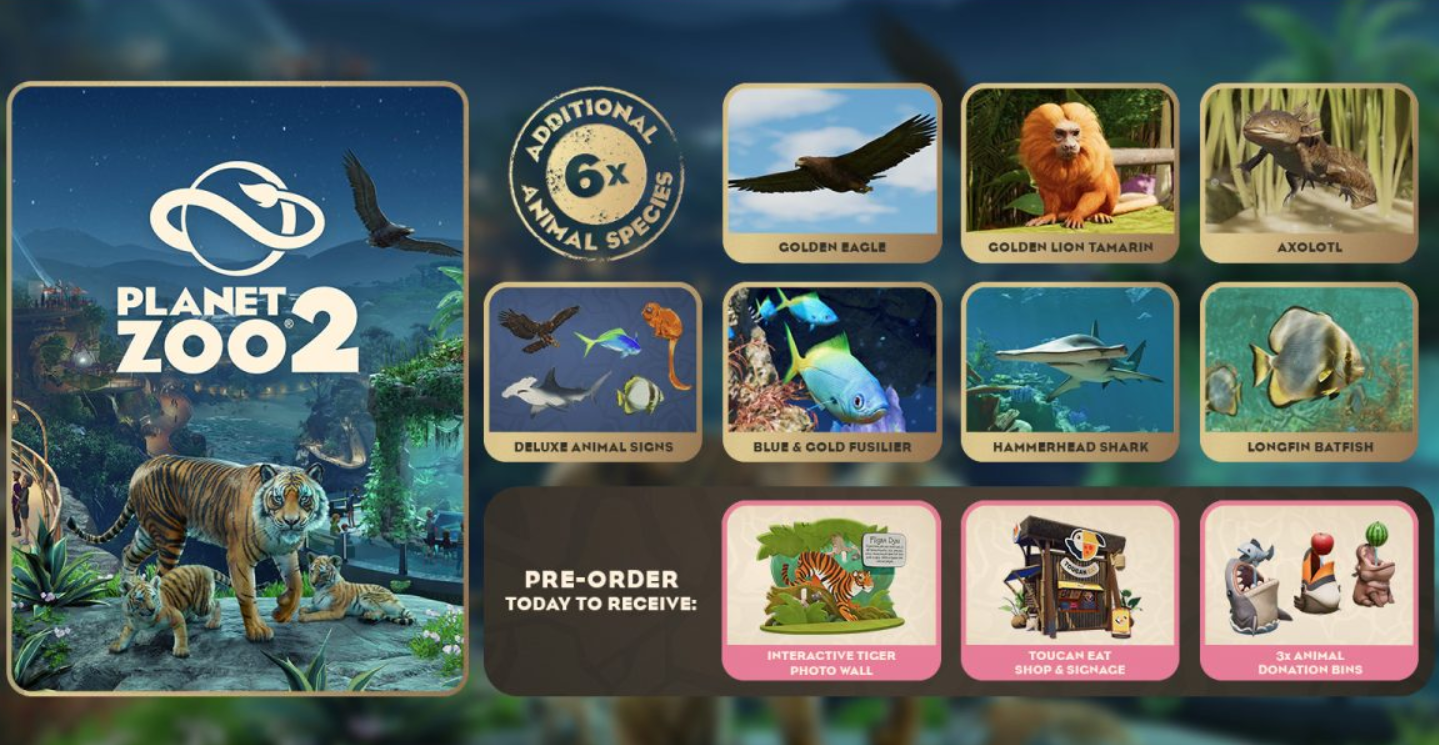
What’s new? The standout feature is the introduction of aquatic animals. You can finally build aquariums and populate them with creatures like sharks or octopuses. Exotic birds are also being added, and the building editor is being expanded to an almost staggering degree. And if you feel the urge to help conserve nature beyond the confines of your zoo, the sequel will allow you to participate in the creation of wildlife reserves. Additionally, PC players are promised robust modding support via the Steam Workshop.
Table of Contents
Key Differences Between Planet Zoo 2 and the Original
Quick Summary for Featured Snippet:
What are the main differences between *Planet Zoo 2* and the 2019 original? Frontier Developments has taken a major structural leap forward by introducing three fundamental elements:
-
Marine Aquariums: Comprehensive mechanics for housing and caring for sharks, rays, and octopuses.
-
Aviaries: The ability to design intricate enclosures for exotic birds.
-
“Reserves” Mode: An expansion beyond the zoo’s boundaries to manage external conservation territories.
-
Multi-platform Launch: Simultaneous release on PC, PS5, and Xbox Series X/S, featuring a user interface completely redesigned for gamepad controls.
New Animal Species and Deep Gameplay
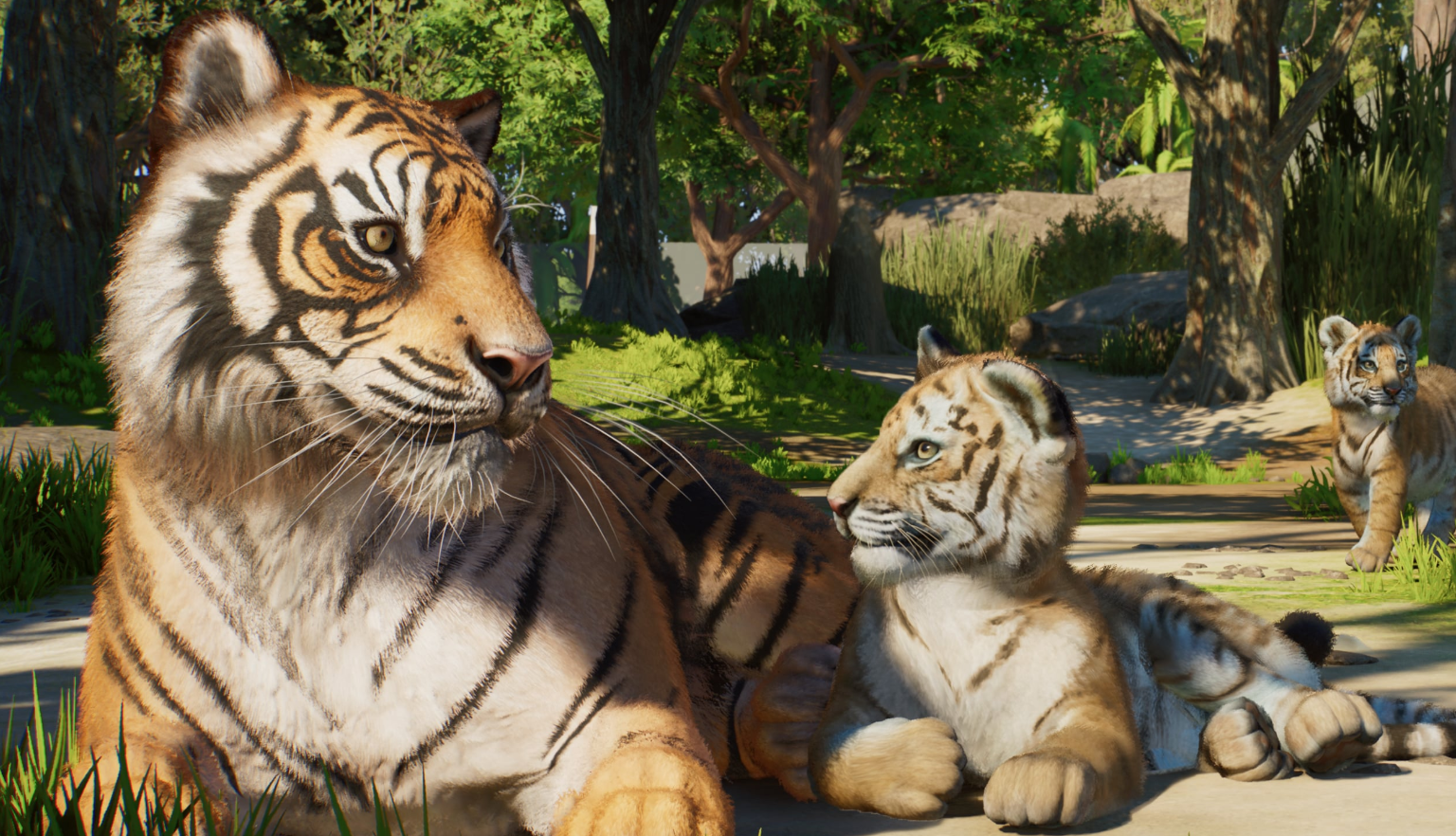
In the six years since the release of the first game, the original title has accumulated a colossal amount of DLC content. In creating *Planet Zoo 2*, the developers opted to address structural gaps rather than simply expanding the roster of fauna.
In 2019, gameplay revolved exclusively around terrestrial species. The sequel breaks through these limitations by introducing fundamentally new habitats; players can now design complex marine ecosystems and expansive aviaries. Furthermore, an entirely new strategic layer has been introduced—reserve management—which transforms the very essence of territorial management.
Planet Zoo 2 Release on PS5 and Xbox Series
The second critical difference is a shift in the platform paradigm. The original remained a PC exclusive for five years. Planet Zoo 2, however, launches on current-generation consoles (PS5 and Xbox Series X/S) on day one. This required the studio to build the interface and construction management system from the ground up—the control architecture is now perfectly optimized for controllers.
Zoo Simulator Version Comparison Table
Why the Sequel System Requirements Have Increased
Raising the entry threshold to an RTX 2060 in the minimum system requirements is not a marketing ploy, but rather a matter of the “harsh physics” of the updated engine. The implementation of dynamic water, complex algorithms for light refraction through the glass of massive aquariums, and a manifold increase in the number of simultaneous AI agents demand significant video memory capacity.
Classic Mechanics and Simulator Balance
Despite the sheer scale of the new features, Frontier Developments has preserved the core elements for which audiences fell in love with the franchise. The fundamental gameplay mechanics remain intact:
-
The intricate balance of animal welfare.
-
The Conservation Points system.
-
Multi-tiered attractiveness ratings.
The studio built the sequel atop a flawlessly functioning formula, expanding the horizons of the simulation without compromising the classic experience.
Official System Requirements and Patch 1202
Incidentally, the developers haven’t forgotten about the first game. Planet Zoo has received Patch 1.20.2, which addresses technical bugs and adds an impressive batch of new environmental objects. It’s a nice bonus for those who aren’t quite ready to make the jump to the sequel yet.
Now, regarding hardware. Minimum requirements: an Intel i7-8700K or Ryzen 5 3600 processor, an RTX 2060-class graphics card (6 GB), 16 GB of RAM, and 40 GB of disk space. Recommended requirements: i7-10700K / Ryzen 7 5800X and an RTX 3070 (8 GB)—or, alternatively, an RX 6700XT or Arc A770. The only supported OS is Windows 11 (64-bit), with DirectX 12.
*Prices are listed based on automatic currency conversion; actual prices in online stores may vary. However, they serve as a clear benchmark.