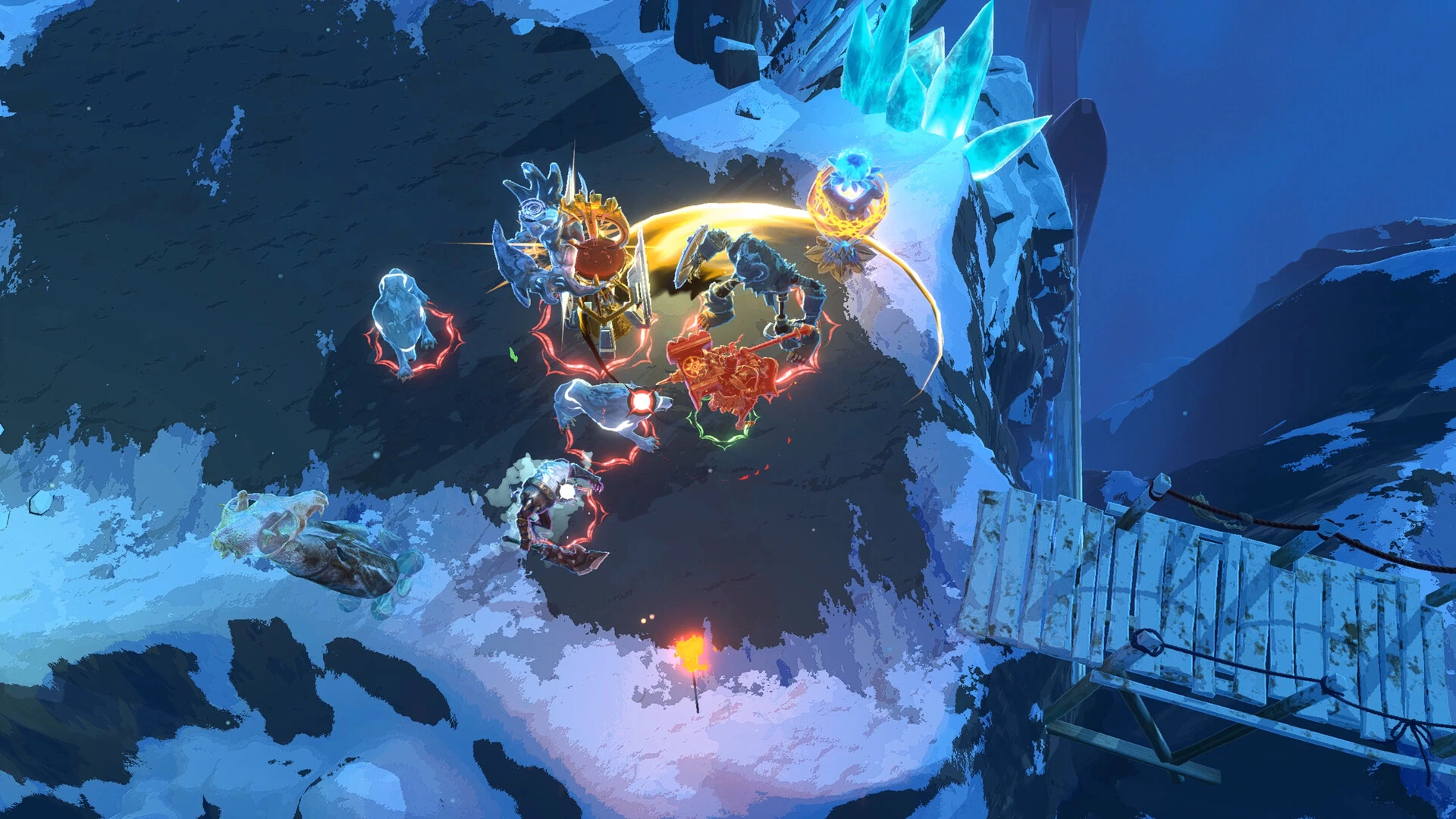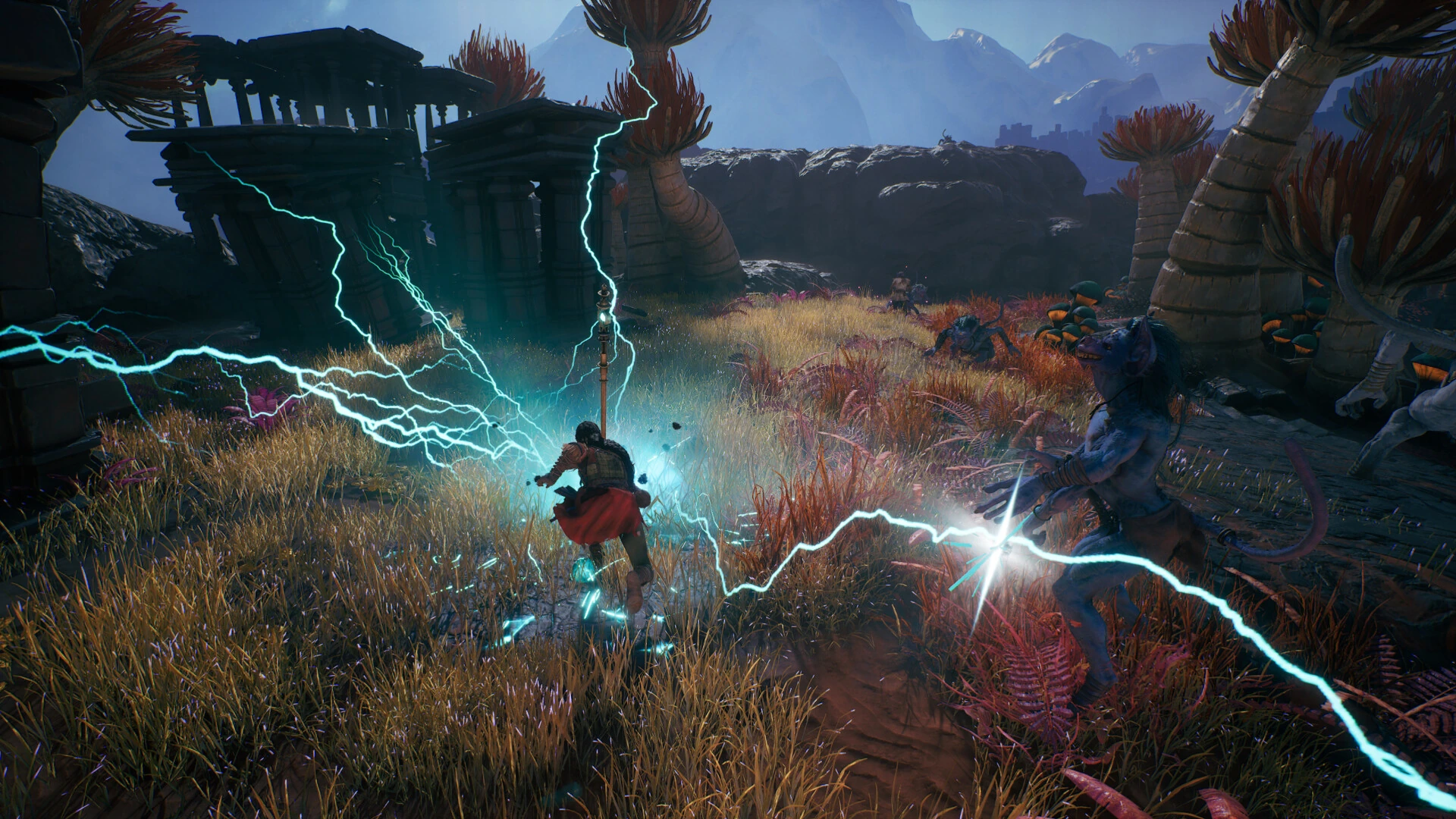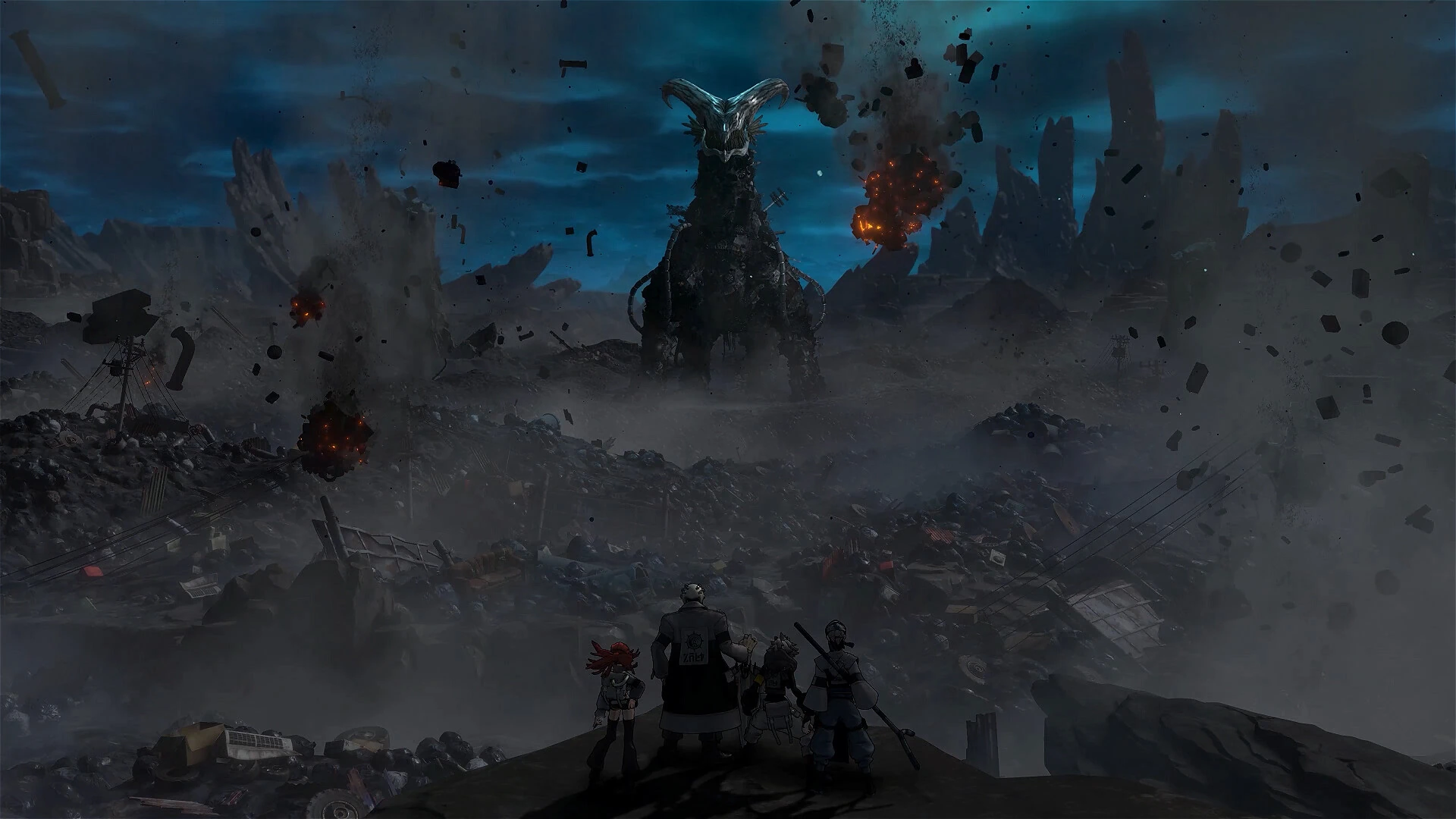
Gachiakuta: Breakout is planned for Steam on PC in 2027. Xbox Series X|S and Xbox on PC versions are also confirmed with Play Anywhere support. The new extended gameplay reveal adapts the world of the manga and anime into close-range battles, exploration and survival encounters. Its cartoon-style rendering retains the source’s hard lines and expressive motion. The footage establishes the tone and combat direction, while the complete progression structure remains for later previews.
Table of Contents
Melee combat has to feel heavy without becoming slow
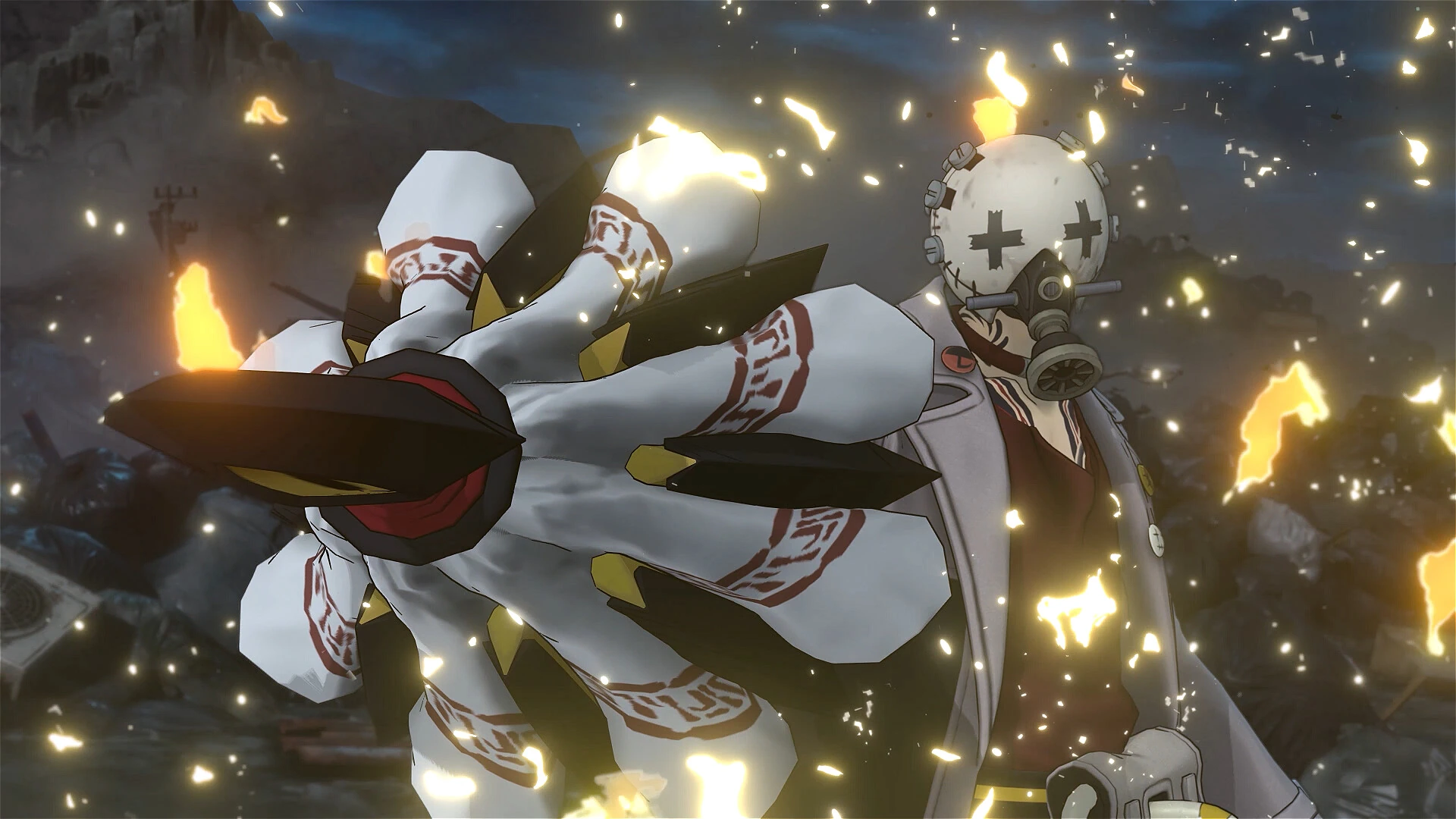
The protagonist closes distance quickly and attacks with tools that carry visible force. Strong animation can sell an impact, but input response still has to remain immediate after the effect begins.
Enemies should show whether they are staggered, armoured or preparing a counterattack through consistent poses. That feedback allows aggressive play to remain readable even when several effects fill the same small space. Heavy attacks need a clear beginning and end so the player understands when movement is still possible. A short commitment makes impact meaningful, while immediate response on lighter actions keeps the combat from feeling delayed. Different enemy reactions can then teach which tool creates an opening and which one is meant to finish it.
The visual style keeps the source’s rough identity
The game uses outlined forms and bold colour rather than translating every scene into ordinary realism. This choice fits a world built from discarded objects, polluted spaces and characters defined by expressive silhouettes.
The rendering still needs stable contrast so enemies do not disappear against detailed backgrounds. A faithful look is most useful when it also guides movement and makes interactive objects easy to recognise. Bold outlines help separate characters from the background, but effects should not cover the exact moment of contact. Colour can mark danger, usable objects and safe routes without weakening the rough visual identity. The best adaptation will look recognisably like Gachiakuta while remaining readable during a crowded fight rather than only in a paused trailer frame.
Tools can connect combat with exploration
The source material gives objects personal meaning instead of treating equipment as anonymous loot. Breakout can reflect that idea by making a tool change how the player crosses an area as well as how enemies are attacked.
Upgrades should expose a new choice or route rather than only raising a hidden damage value. A small number of well-defined tools would serve the theme better than a crowded inventory of nearly identical rewards. Objects in this world carry history, so an upgrade can reveal function and character at the same time. A tool that changes traversal might also explain who repaired it or why it was discarded. Linking movement and combat through the same equipment would make exploration feel like part of the protagonist’s growth instead of a break between arenas.
Survival pressure needs predictable rules
Hazardous zones and hostile groups can create tension before a formal battle starts. Players need to know whether danger comes from time, position, a resource limit or an enemy that can be avoided.
Consistent rules make failure understandable and prevent the setting’s chaos from becoming mechanical confusion. The strongest encounters will let observation reduce risk without removing the need for decisive action. Survival pressure becomes fair when the source of danger is visible. A contaminated zone can drain a known resource, an enemy patrol can follow a readable route and unstable ground can warn the player before it collapses. Consistent signals allow the setting to remain hostile while giving observation a real effect on the chance of success.
The 2027 release still needs a full mission demonstration
The new footage confirms the melee focus, art direction and planned Steam and Xbox versions. It does not yet establish campaign length, cooperative features or the final shape of character progression.
A later unedited mission can show how dialogue, traversal and combat connect outside a trailer. Until then, Breakout is an ambitious adaptation with a clear visual identity and several systems still awaiting precise explanation. The reveal confirms the platform direction, melee focus and visual treatment but leaves campaign structure open. An unedited mission should show how long exploration lasts before combat and how rewards change the next encounter. That evidence will matter more than another montage because it can demonstrate whether the separate ideas form one reliable play loop.