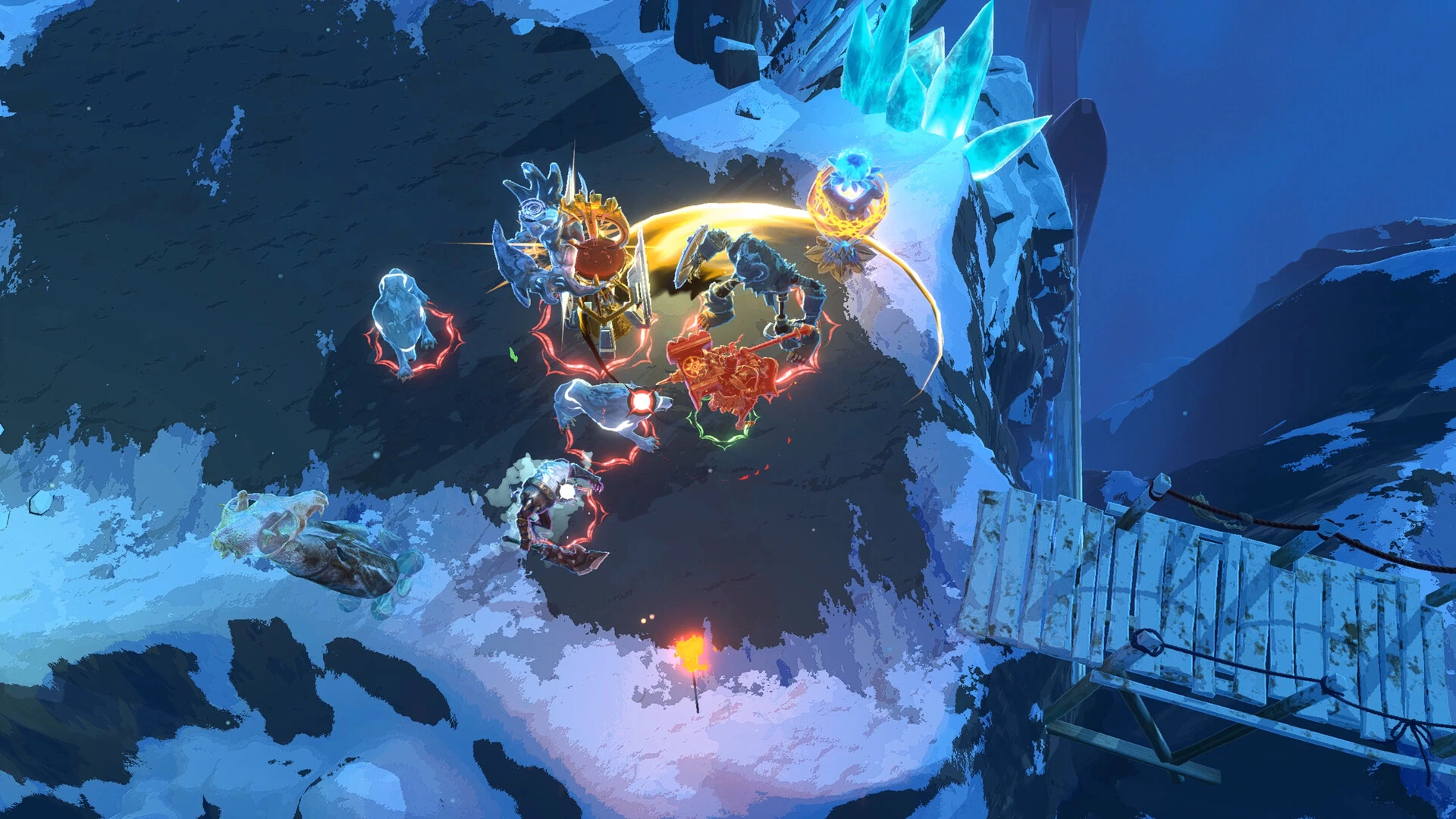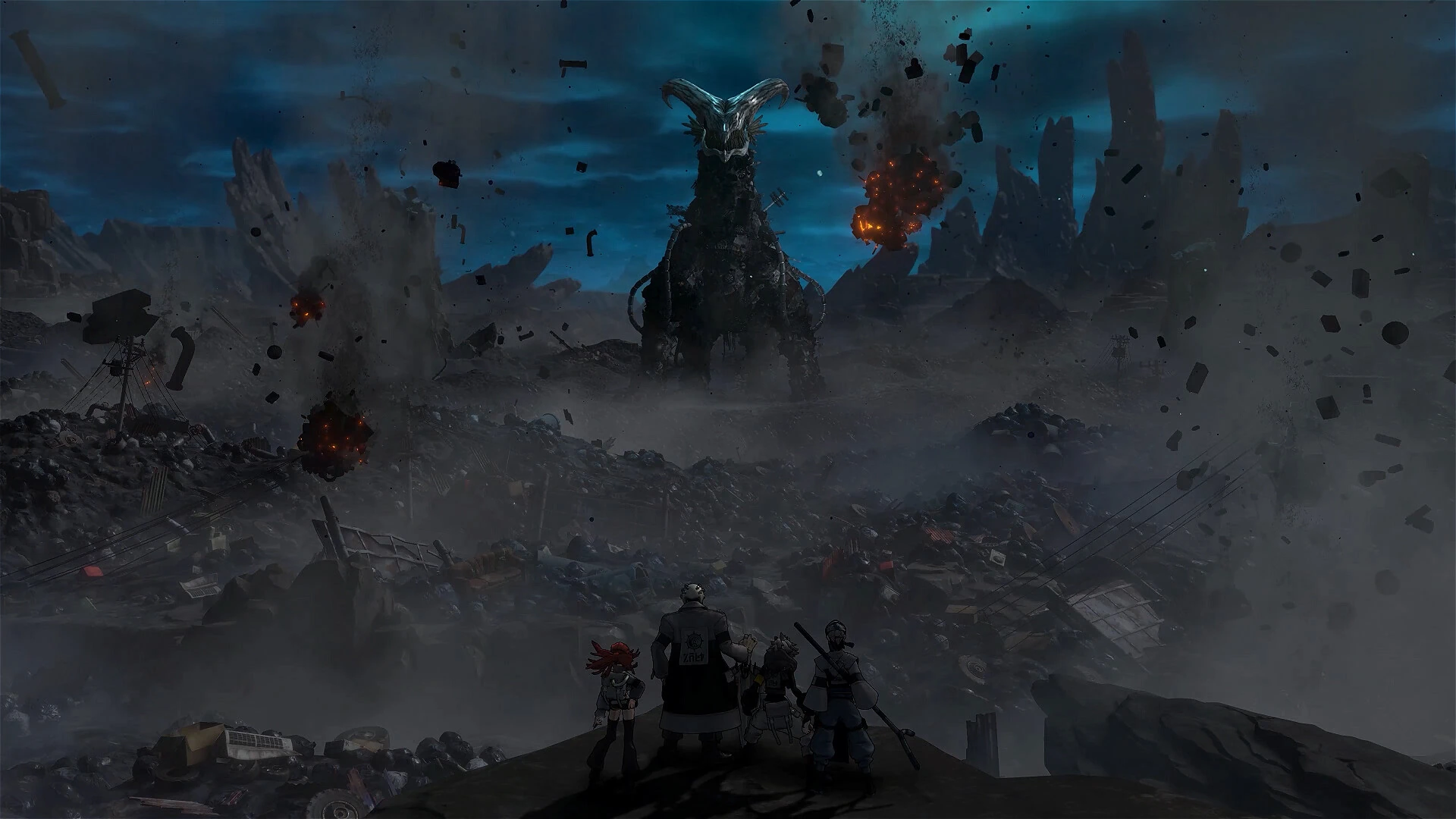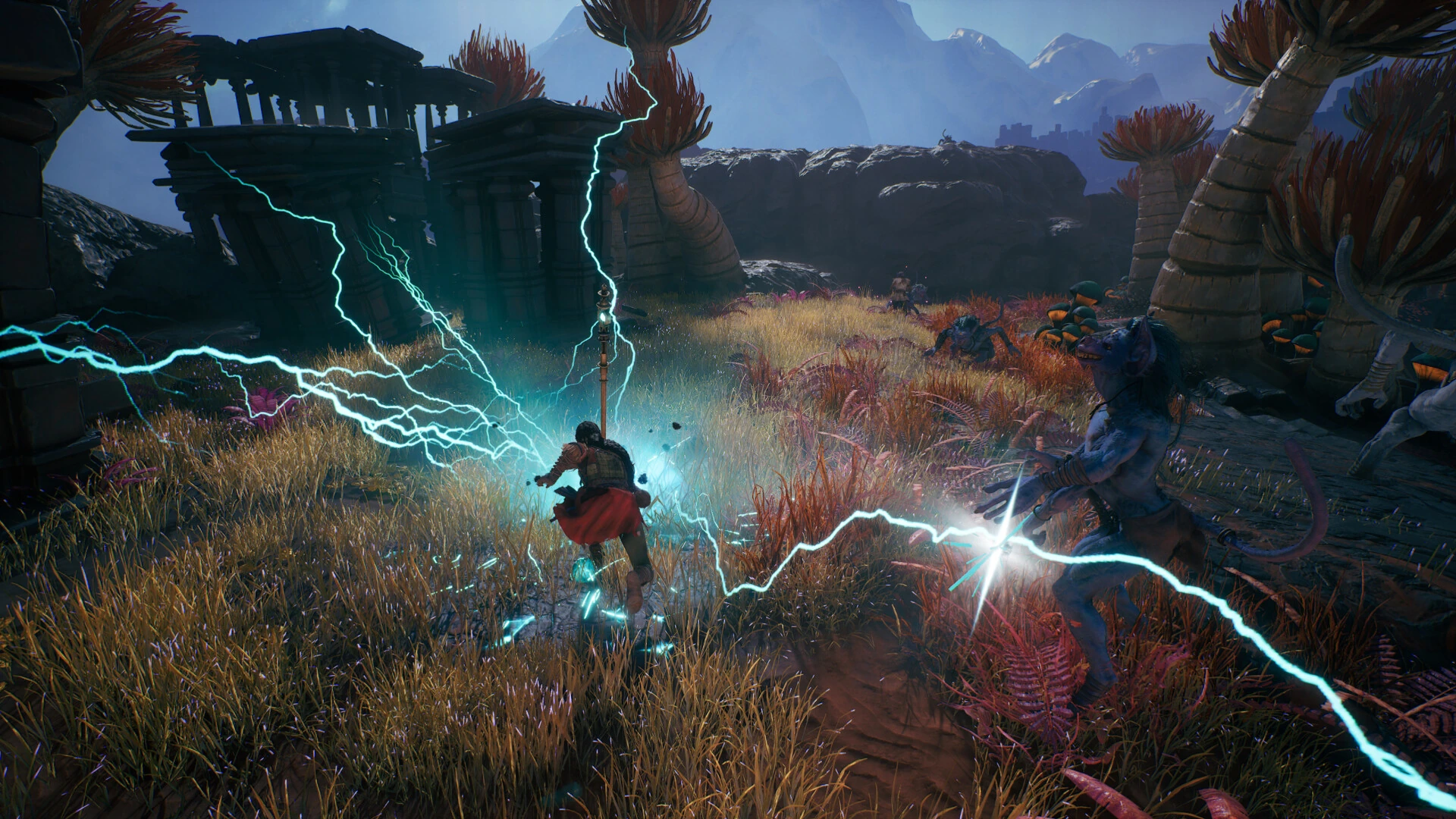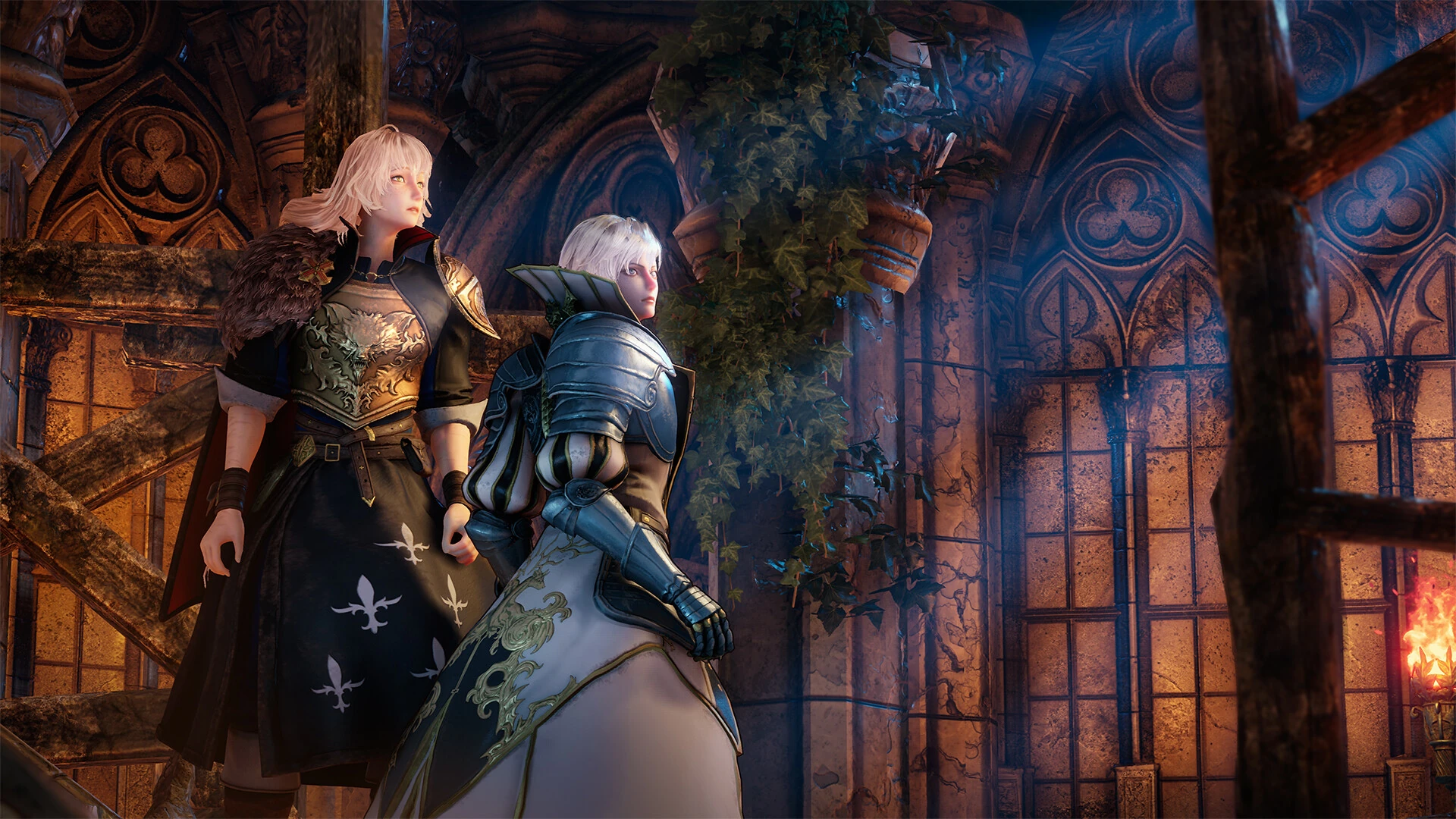
Bloodstained: The Scarlet Engagement is coming to Steam on PC, with Epic Games Store, PlayStation 5 and Xbox Series X|S versions also confirmed. Its new gameplay trailer follows Leo and Alex, two protagonists exploring a cursed version of sixteenth-century England. The footage shows a 2.5D action structure, rapid movement and battles that combine weapon attacks with supernatural abilities. The game is planned for 2027, so the trailer establishes its direction without suggesting that every balance detail is final.
Table of Contents
Two heroes can give exploration a practical rhythm
Leo and Alex are presented as active partners rather than interchangeable costumes for one moveset. Different reach, speed and abilities can make a familiar room feel new when the player changes the lead character.
The system will work best when switching solves a visible problem instead of stopping the action for repeated menus. Shared progression also needs simple rules so that experimenting with both heroes never feels like wasting resources. A two-hero design can make exploration more fluid if both characters remain available without a long reset. Leo may open a route through direct force while Alex answers a distant switch or a faster enemy. The important point is that the choice changes the player’s method inside the room instead of existing only in a character-select screen.
The new trailer places speed ahead of defensive waiting
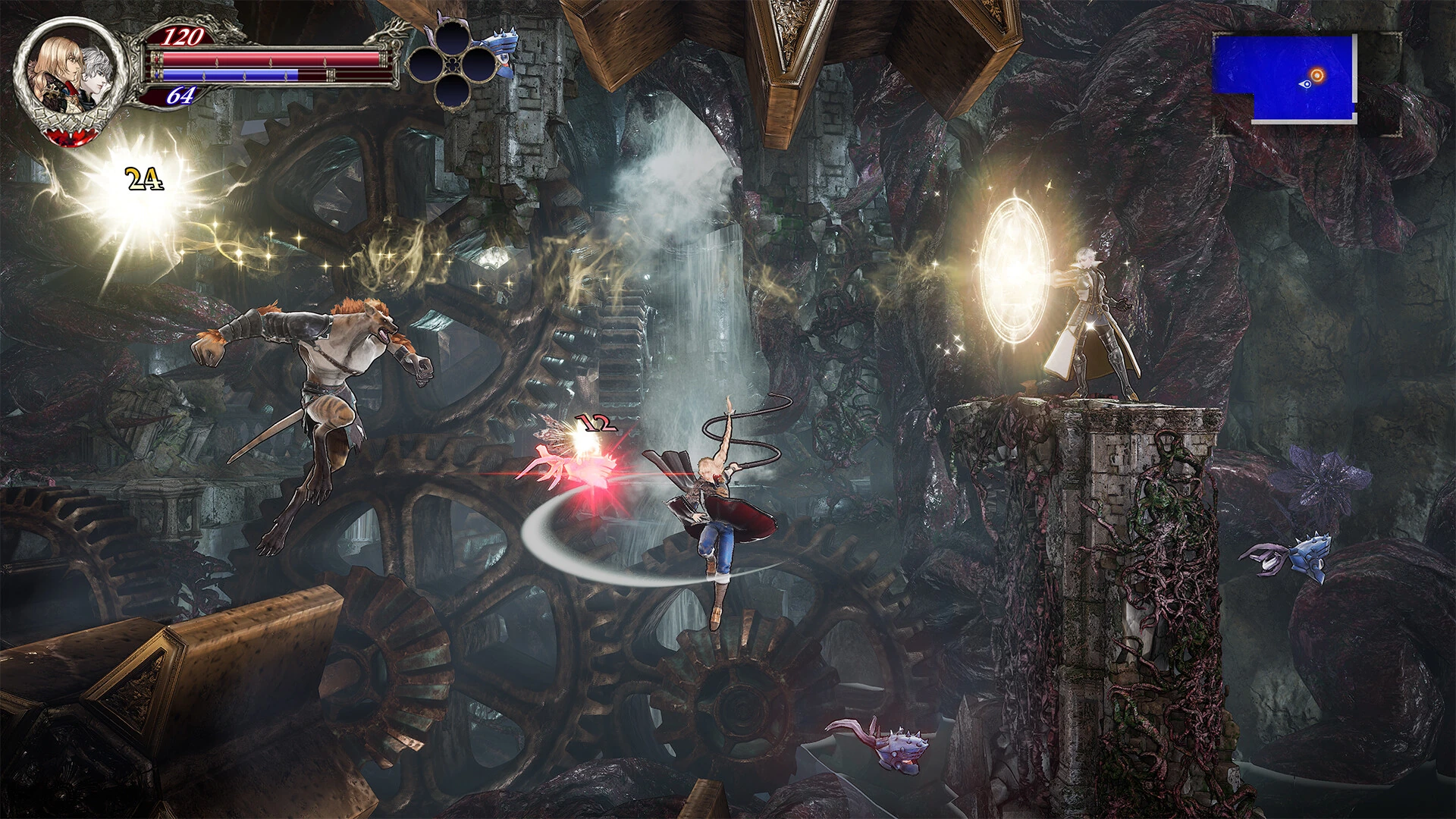
Characters close distance quickly and connect attacks without long pauses between individual animations. That pace can make ordinary enemies useful tests of movement instead of obstacles that only absorb damage.
Clear impact effects are still necessary because a fast combo must show whether the target staggered, blocked or escaped. Readable feedback lets players improve timing while preserving the dramatic motion shown in the trailer. Fast combat still needs a short recovery window after a missed heavy attack. Without that cost, rapid movement becomes an escape from every poor choice and enemies lose their ability to create pressure. A consistent rhythm between attack, dodge and recovery would let experienced players move quickly while keeping the basic rules readable for newcomers.
A cursed England needs routes worth revisiting
The setting combines stone interiors, outdoor ruins and gothic machinery within one connected adventure. Locked passages and distant objects can signal where a later ability will create a new route.
Returning should reveal a useful shortcut, boss approach or optional reward rather than only another collectible. Good map design will make the expanding ability set change how players understand spaces they have already crossed. Revisiting an earlier area should expose information as well as treasure. A newly accessible passage can connect two distant rooms, reveal why a machine was built or place the heroes behind an enemy formation that was dangerous from the front. These rewards make backtracking part of discovery instead of a repeated walk through empty corridors.
Bosses must test the same skills used during exploration
Large enemies shown in the footage occupy space with sweeping attacks and force the heroes to reposition. A fair encounter gives enough visual warning to identify danger without turning every response into a scripted sequence.
The two-character structure can add tactical choices if each hero answers a different part of the pattern. Victory should come from applying learned movement and attack rules, not from discovering one hidden trick after repeated failures. Boss phases should communicate their change through stance, arena position or a recognisable sound. Players can then transfer the movement learned against ordinary enemies into a larger test. If Leo and Alex have complementary answers, switching between them becomes a tactical response rather than a compulsory gimmick used at one scripted moment.
The 2027 window leaves important questions open
ArtPlay has confirmed the broad combat style and the role of both protagonists but has not fixed every launch detail. Later demonstrations should explain progression, character switching and the scale of the connected map.
An uninterrupted gameplay sequence would also show how the camera behaves when combat moves between levels. For now, the new trailer establishes an energetic sequel whose strongest promise is the relationship between movement and exploration. The remaining development time gives ArtPlay room to show how equipment, character growth and shared resources work. Those systems will decide whether both protagonists stay useful across the full campaign. The trailer has already established speed and visual direction; the next demonstration needs an uninterrupted mission that joins traversal, combat and a meaningful reward.