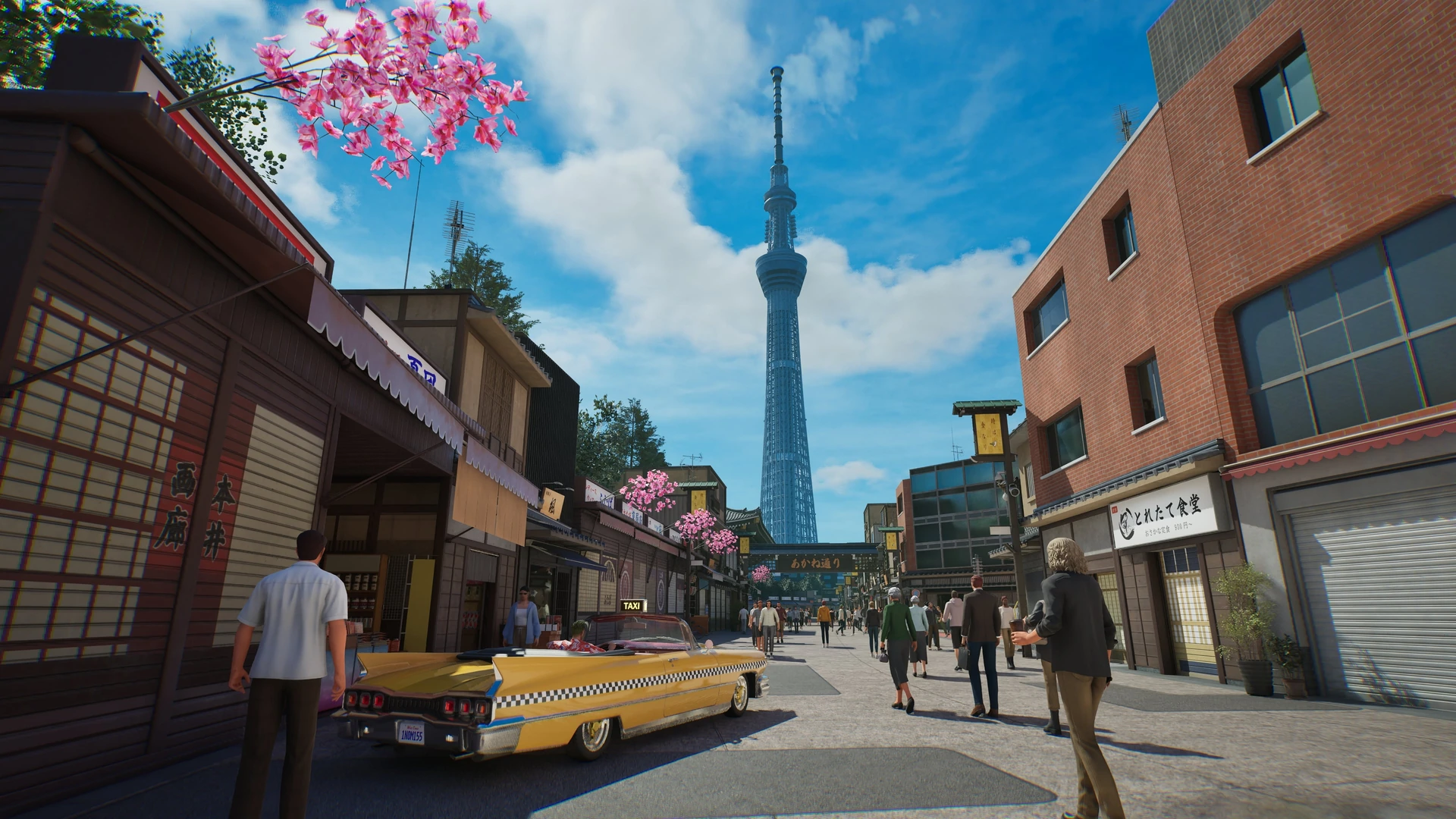
Sega has confirmed Japan as one of the regions in Crazy Taxi: World Tour. The announcement arrived during the completed Xbox Tokyo Game Show broadcast and showed a setting where historic streets sit beside dense modern districts. The game is scheduled for 2027 on Xbox Series X|S and other announced platforms. A recognizable country is an obvious headline, but the real design question is how its roads, passengers and shortcuts will support the fast decisions that define Crazy Taxi.
Table of Contents
Japan must shape the route, not only the skyline
The revealed location combines traditional neighborhoods with the energy of a modern city. That contrast can create narrow streets, broad commercial roads and changes in elevation within the same delivery run.
Crazy Taxi works when the environment gives the driver several imperfect routes and enough landmarks to choose quickly. A beautiful backdrop would not be enough if every destination were connected by the same wide and predictable road. Changes between older streets and modern commercial areas can create natural decisions between direct routes and faster but riskier shortcuts. The road network must make those differences visible quickly because a fare leaves little time to study a map.
Passengers can make every district important
Sega says players will meet local characters while carrying them through the new region. Passenger destinations can reveal how districts connect and can introduce unusual routes without stopping the pace for long exposition.
Clear personalities, readable requests and varied urgency help each fare feel distinct even when the basic objective remains a timed delivery. The strongest characters should belong to their location and avoid reducing Japan to a small collection of repeated visual jokes. Passengers can also indicate local scale by requesting trips between homes, stations, shops and entertainment districts. Their dialogue should support the route and mood without repeating stereotypes or delaying the next pickup.
Speed needs a map that rewards memory
A successful run is built from more than holding the accelerator because traffic, ramps and shortcuts alter the fastest line. Players gradually learn which apparent detour is actually quicker and where a risky jump can save enough time to protect a chain of fares.
World Tour can make that learning process visible through consistent landmarks and intersections that are easy to recognize at high speed. If navigation depends too heavily on an arrow, the city becomes scenery rather than a place the player understands. Good landmarks remain identifiable from several directions. Colour, building shape and road elevation can help a player correct a mistake at speed without opening a large map or waiting for the navigation arrow to turn.
Modern handling should preserve the arcade rhythm
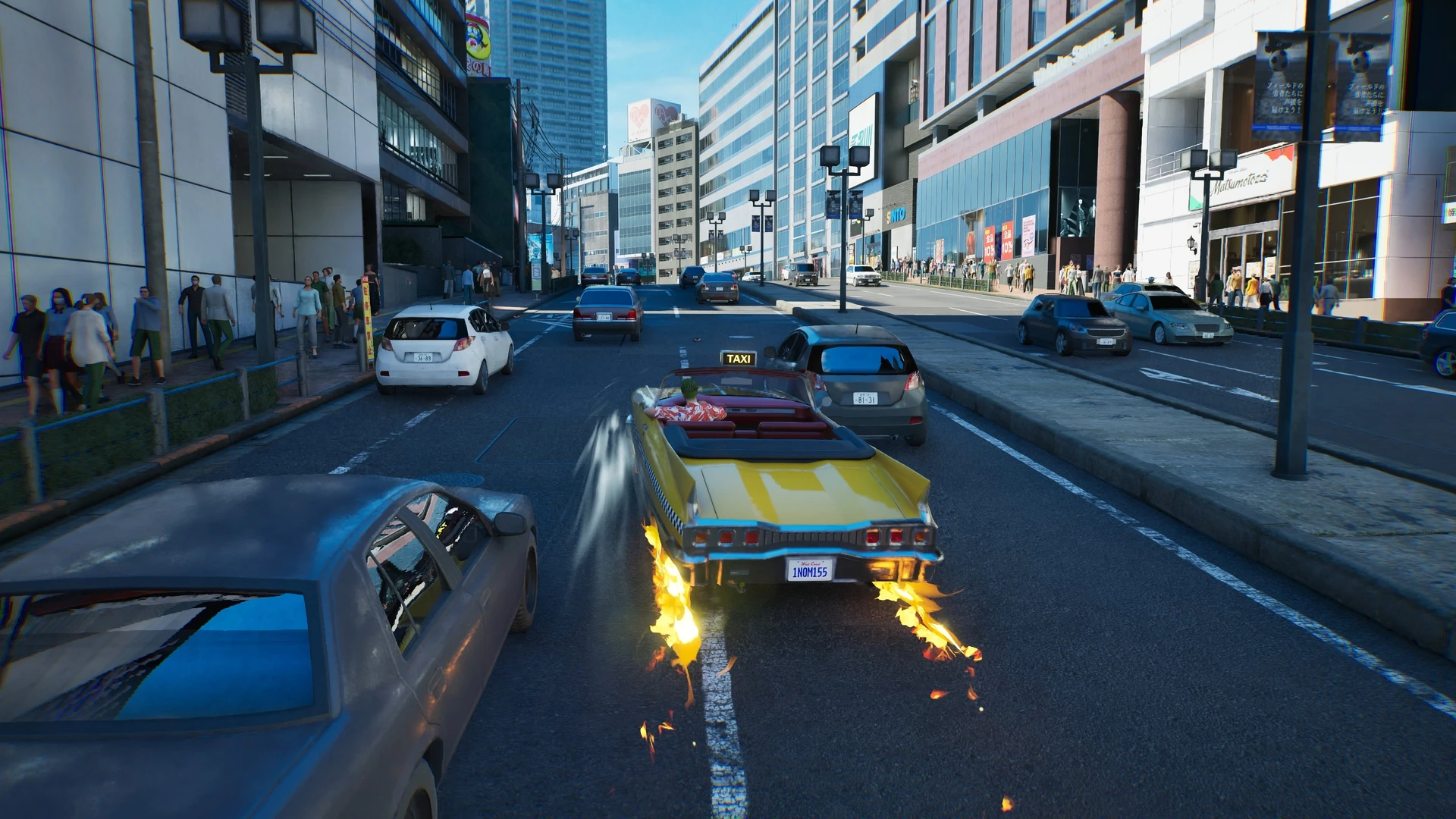
The series is remembered for immediate steering, aggressive boosts and deliberate disregard for polite traffic behaviour. A new game can improve feedback and accessibility without adding simulation systems that slow the simple pleasure of picking up and delivering a passenger.
Camera stability, collision recovery and readable drift timing will matter more than a long list of mechanical settings. The aim should be control that feels responsive on the first run and still allows experienced players to find faster techniques. Arcade handling still needs consistent rules. Boosts, drifts and collisions should respond predictably enough that a failed route feels connected to the player’s choice rather than a sudden camera movement or unclear contact.
Each region needs a different driving rhythm
The title promises more than one recognizable destination, so Japan will eventually be compared with every other part of the network. Different traffic patterns, road shapes and passenger goals can give each region a distinct rhythm without changing the game’s basic rules.
Travel between regions should also be explained in a way that keeps progression understandable and does not fragment the best routes behind unnecessary menus. Sega has not yet detailed the complete map, making this an area for later official demonstrations rather than speculation. Regional variety is strongest when it changes planning rather than only music and scenery. One area may reward narrow shortcuts, while another may favour long boosts and careful traffic reading on broader roads.
The 2027 launch leaves room for a proper driving demonstration
The Japan reveal establishes setting and tone, but it does not yet provide enough evidence to judge the full handling model. Future footage should show an uninterrupted fare from pickup to destination so that route choice, traffic and time pressure can be assessed together.
A direct gameplay sequence would also show whether the city remains readable when the screen is moving at full arcade speed. For now, the completed announcement is a strong location choice and a clear promise that must be supported by road design. The 2027 date leaves time for Sega to demonstrate a complete journey under normal gameplay conditions. An uninterrupted run will reveal more about traffic, controls and city readability than another short sequence of edited angles.