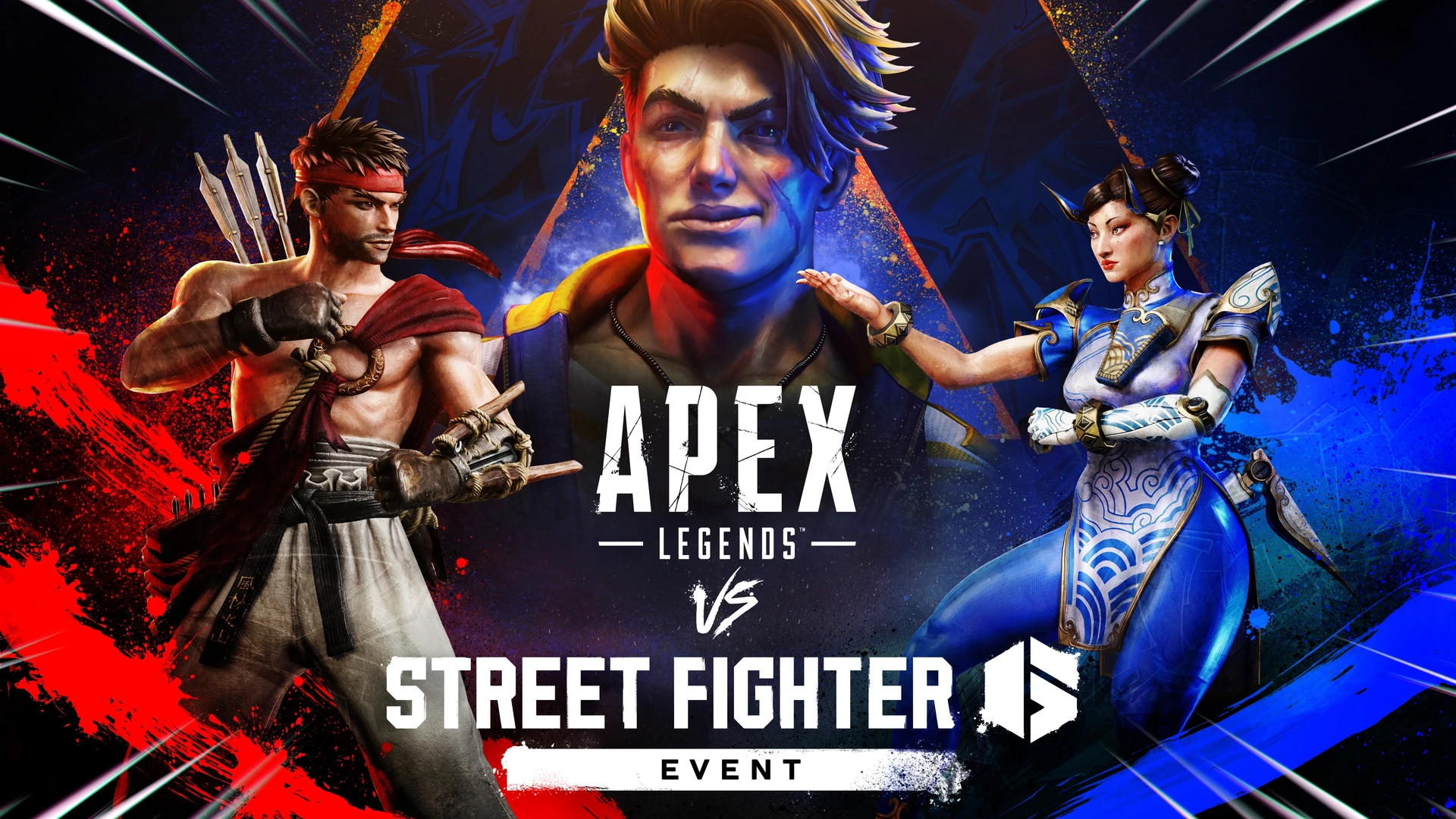
Apex Legends will open its Street Fighter 6 event on September 22, bringing themed rewards and a limited Wildcard structure into the current Marked season. EA has announced the crossover and its October 13 end date, but the event is not live yet. A collaboration between a battle royale and a fighting game can easily stop at costumes. The more interesting question is whether the confirmed design reflects Street Fighter through readable challenges, decisive movement and rewards that remain clear during a fast Apex match.
Table of Contents
The crossover works best when character identity is readable
Street Fighter characters are recognized through stance, color, movement and a small number of unmistakable attacks. Apex cosmetics have to preserve that identity while keeping each Legend’s combat silhouette clear to opponents.
Visual celebration cannot interfere with target recognition, especially when several squads meet in smoke, effects and uneven light. The strongest designs should look specific in the lobby and remain fair when seen for a fraction of a second in a firefight. A crossover ability still has to communicate through Apex’s normal combat language. Players should recognise its range, activation and counterplay immediately even if the animation refers to a familiar Street Fighter move.
Challenges should reward active play instead of repetition
A limited event gives players a reason to return, but its tasks determine whether the return feels purposeful. Objectives tied to movement, controlled aggression or team coordination can echo fighting-game decision making without pretending Apex has become a one-on-one fighter.
Progress should be visible and achievable across ordinary matches rather than depend on one rare situation that encourages teammates to ignore the squad. A clear route to the main rewards reduces frustration and lets optional mastery tasks remain genuinely optional. Limited-time rules are easiest to learn when the event shows one clear interaction before adding variation. A short practice opportunity can stop the opening matches from being decided only by teams that studied outside material.
Close-range attacks still need an escape route
Street Fighter celebrates commitment at close range, while Apex punishes a squad that enters a fight without cover or a retreat route. The event theme can encourage confidence, but map knowledge and timing remain more important than chasing every damaged opponent.
Players should use mobility to create an angle, secure the knock and reset before a third squad reaches the same sound. That rhythm respects both games: decisive contact matters, yet careless pressure still creates a punishable mistake. Cosmetic references can celebrate both series without changing a Legend’s silhouette beyond recognition. Enemy identification remains essential in a battle royale where a fraction of a second can decide whether a player commits or retreats.
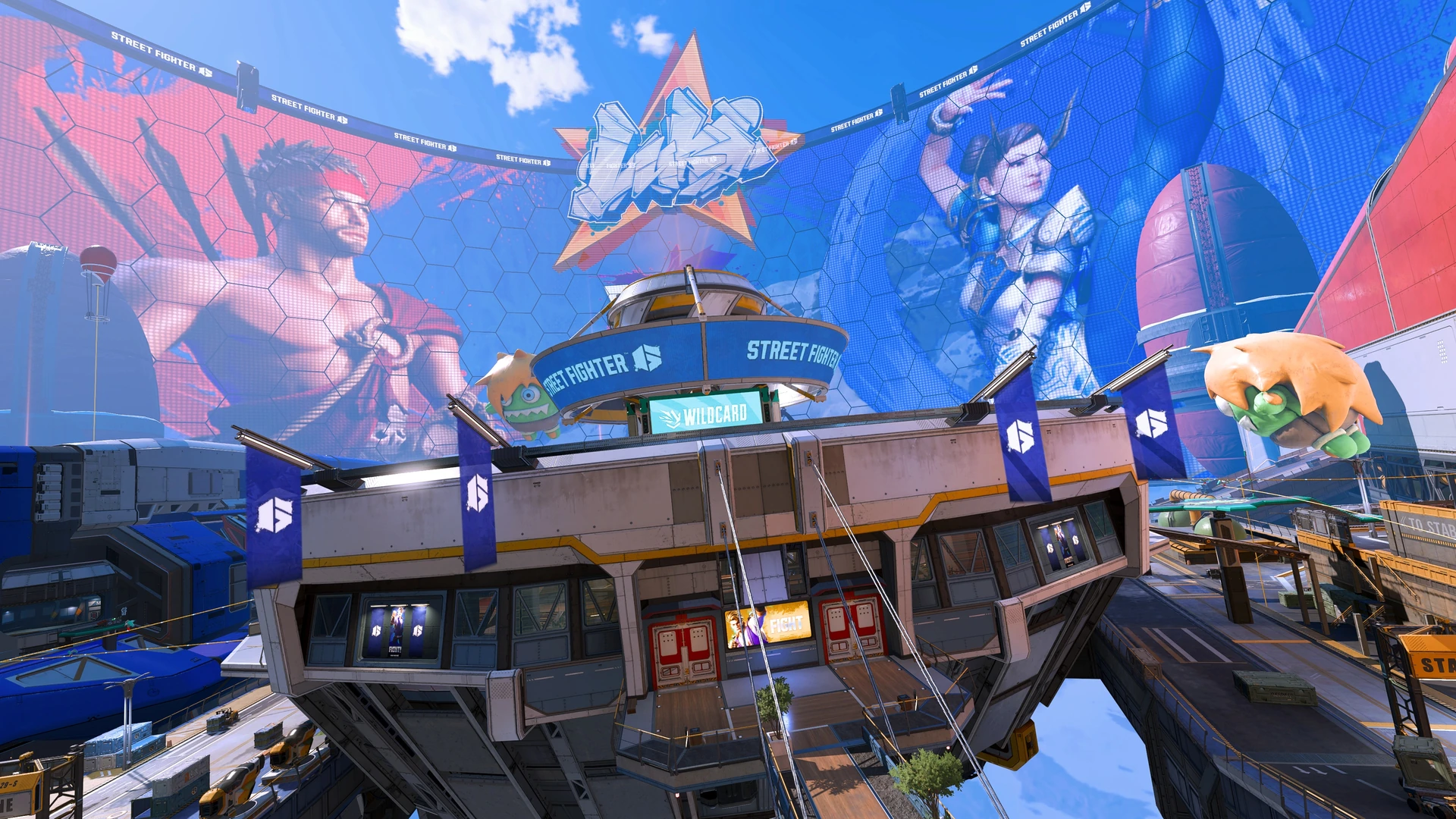
The Marked midseason patch changes more than the event’s appearance
The collaboration will arrive after balance changes that affect weapons, Legends and the broader match flow. Cosmetics and event tasks therefore sit on top of a competitive game whose damage and utility relationships may have shifted.
Returning players should review the official patch notes before assuming an old loadout or ability sequence still produces the same result. This is particularly important in ranked play, where a small balance change can alter which fights are worth accepting. Reward progress should be visible before the first match and should distinguish free event goals from store purchases. Clear presentation lets players decide what they can earn without confusing participation with ownership of a premium bundle.
Team clarity matters more than the individual theme
Apex remains a squad game even when a crossover highlights famous individual fighters. Pings, shared focus and controlled use of abilities turn an aggressive opening into a fight the team can finish together.
A player who pursues a themed challenge at the cost of positioning can make the event worse for two teammates. Good event design avoids that conflict by allowing personal progress to happen through actions that already help the squad. Balance must be judged by the complete match rather than the spectacle of one successful move. Respawn can adjust the mode if a single crossover tool consistently removes the value of positioning, cover or established Legend abilities.
Players need clear reward rules and an exact end date
The crossover is relevant now because its schedule, rewards and gameplay context are confirmed by EA before launch. Players should rely on the in-game event page for regional timing and ownership conditions instead of assuming every item remains permanently obtainable.
When the event ends, its quality will be easier to judge through the fairness of its tasks and the usefulness of the midseason changes than through rarity alone. That standard keeps the discussion focused on play and prevents a popular licence from carrying the entire experience. The event can be enjoyed as a temporary experiment without implying that every mechanic will remain in the main rules. Permanent changes should be confirmed separately after Respawn has match data and player feedback.